Share this article:
Written by: Advanced Physical Medicine

Described as a persistent sense of dizziness or an inability to remain balanced, vertigo can be a debilitating condition. People who are suffering from vertigo often feel nauseous or out of sorts, and they may not be able to participate in their normal daily activities.
With no precise treatment available to address all forms of vertigo, some who are suffering from this condition may be wondering, can acupuncture help vertigo?
At Advanced Physical Medicine of St. Charles, we believe that holistic approaches can be effortlessly combined with medical care in order to provide patients with exceptional results.
What Causes Vertigo?
According to the Mayo Clinic, vertigo is defined as a false sense of dizziness that makes you feel as if your surroundings are moving. It is often caused by inner ear disorders, such as:
- Benign Paroxysmal Positional Vertigo (BPPV) - The most common cause of vertigo, BPPV occurs when tiny calcium crystals in the inner ear become dislodged and disrupt normal fluid movement, triggering brief but intense episodes of spinning. Symptoms are often triggered by specific head movements such as rolling over in bed or looking upward.
- Ear Infection — A severe ear infection that impacts the middle ear can result in the sensation of vertigo.
- Meniere's Disease — This disease occurs when there is excessive fluid in the inner ear, which can lead to vertigo. Other symptoms of this disease include sudden hearing loss or a ringing sensation in the ear.
- Migraines — Migraines can lead to disruptions in signals between the brain and the inner ear, which can result in vertigo that lasts anywhere from a few minutes to several hours.
How Acupuncture Targets Vertigo
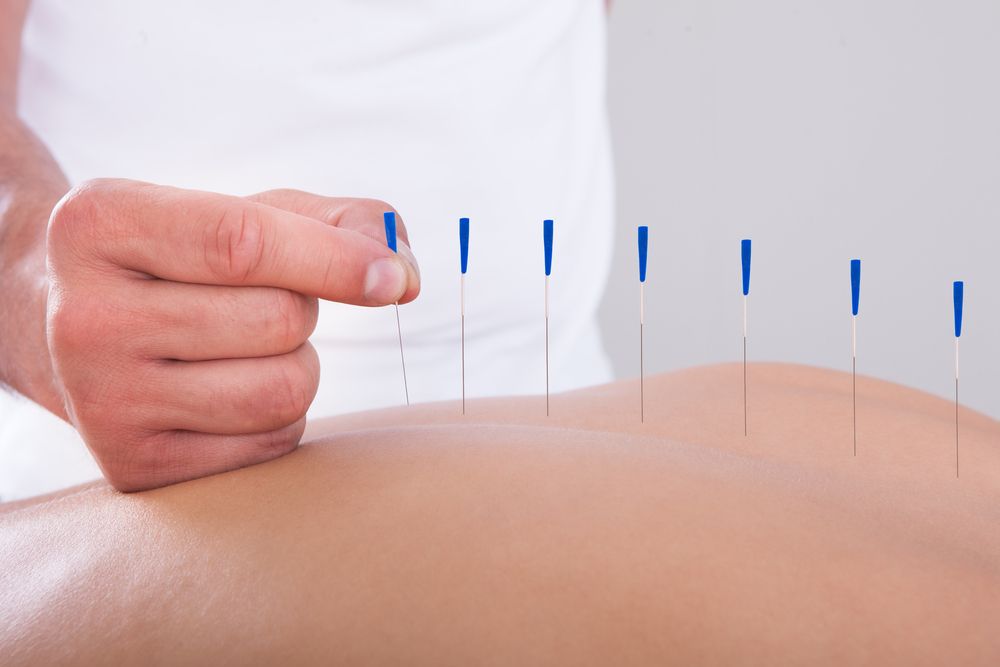
Acupuncture is a healing treatment that is rooted in the ancient Chinese tradition, and it relies on a needling technique that works to restore energy pathways in the body and promote natural healing, which differs from dry needling. Given the fact that vertigo is commonly associated with disruptions in signals between the inner ear and the brain, acupuncture can be a viable treatment option for this condition.
A licensed acupuncture provider will be able to insert ultra-fine needles into strategic points on the body in order to help restore communication between pathways and alleviate the symptoms of vertigo.
Managing Symptoms of Vertigo
In addition to seeking acupuncture treatments, you may be able to manage symptoms of vertigo by taking frequent breaks, lying still to alleviate the sensation of spinning and moving as slowly as possible. The reality of the matter is, it's not possible to manage symptoms of vertigo for long on your own, so if you are suffering from extended bouts of vertigo, you may want to seek acupuncture treatment.
What Research Says About Acupuncture and Vertigo
According to recent research published in the BMC Complementary and Alternative Medicine Journal, acupuncture treatments have been shown to immediately alleviate symptoms of vertigo. When administered precisely by an experienced provider, acupuncture can be a viable option for those who are suffering from this condition.
Advanced Physical Medicine is Here to Help
You should not be expected to accept pain and discomfort as the norm. At Advanced Physical Medicine of St. Charles, we rely on a personalized approach that combines holistic treatments with medical care in order to treat a wide range of conditions. Whether you are suffering from vertigo, arthritis or chronic pain, we can help you overcome your discomfort and live a fulfilling and productive life.
Request an appointment today, and find out if acupuncture is the right treatment for you.
Frequently Asked Questions
Is acupuncture safe for vertigo?
Yes, acupuncture is generally considered safe for vertigo when performed by a licensed and experienced provider. Serious side effects are rare. Minor and temporary effects such as slight soreness or bruising at the needle site are possible but uncommon. As with any treatment, it is always a good idea to consult with your healthcare professional before beginning to ensure it is the right fit for your specific condition.
How many acupuncture sessions does vertigo typically require?
The number of sessions varies depending on the type and severity of your vertigo, as well as how long you have been experiencing symptoms. Because every patient's condition is different, your provider will evaluate your progress throughout your care and recommend a course of treatment tailored specifically to you. We encourage you to speak directly with our team to get a realistic sense of what to expect for your individual situation.
Can acupuncture help BPPV specifically?
BPPV is most commonly addressed with a repositioning maneuver called the Epley maneuver, which is highly effective at resolving the displaced crystals responsible for symptoms. Acupuncture may be used as a complementary approach to help manage associated symptoms such as dizziness, nausea, and residual imbalance that can persist even after successful repositioning. Speak with your provider about the best combined approach for your situation.
Are there any side effects of acupuncture for vertigo?
Acupuncture is well-tolerated by most patients. Possible minor side effects include temporary soreness, slight redness, or minor bruising at needle insertion sites. Some patients feel briefly lightheaded immediately after a session, which typically resolves quickly with rest. Serious adverse effects are rare when treatment is carried out by a licensed professional.
Connect with Us: