Share this article:
Written by: Advanced Physical Medicine
Pain is not something that people should just have to come to terms with. Instead of accepting pain as the norm, it's important to recognize that there are holistic treatment options available that can help address the root cause of your pain — rather than masking the symptoms.
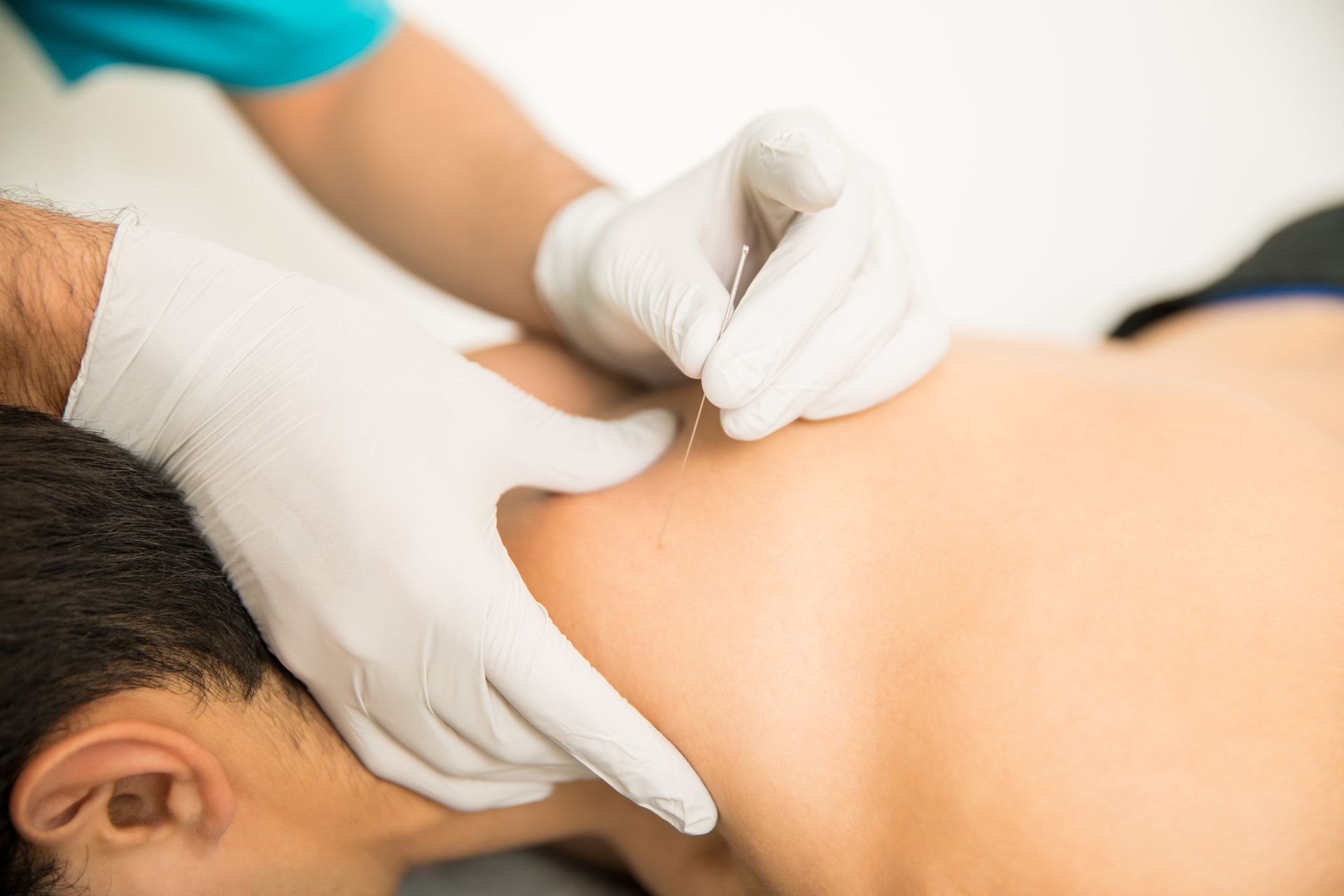
Two holistic treatment options that can alleviate pain include dry needling and acupuncture. At Advanced Physical Medicine of St. Charles, we can help you compare dry needling vs acupuncture.
What is Dry Needling?
Dry needling isn't just a buzzword—it's a game-changer in the world of pain relief. Picture this: tiny needles strategically placed in those tight spots where your muscles ache the most. Like magic, these needles wake up your muscles, coaxing them to let go of all that tension they've been holding onto. And the best part? It's not just about saying goodbye to pain. People who've tried it swear by how much easier it is to move afterward. Suddenly, things that used to feel like a struggle become a breeze. So, if you've been dealing with nagging pains or feeling stuck in your movements, dry needling might just be the secret weapon you've been looking for to reclaim your comfort and freedom.
Origins of Dry Needling
Dry needling is a relatively modern technique that emerged in the 20th century, influenced by traditional acupuncture practices but distinct in its approach. It was developed by Dr. Janet Travell and Dr. David Simons in the 1950s, who sought to address myofascial pain and trigger points in muscles. Unlike acupuncture, which focuses on meridian points and energy flow, dry needling targets specific muscle knots and trigger points to relieve pain and improve function. The technique has evolved with advancements in medical understanding and is used primarily in physical therapy and sports medicine to address muscular pain and dysfunction.
What are the Benefits of Dry Needling?
Dry needling is a safe, holistic procedure that can be used as part of your overall treatment plan for a relatively low cost. This procedure will help reduce pain, improve flexibility and increase range of motion.
Dry needling can be used to treat:
- Joint Conditions
- Tendonitis
- Migraines
- Carpal Tunnel Syndrome
- Pelvic Pain
- Spinal Conditions
What is Acupuncture?
Acupuncture isn't just an old practice—it's an enduring tradition with a modern twist that's turning heads. Picture this: delicate needles strategically placed to tap into your body's own healing energy, like unlocking a hidden treasure trove of vitality. While it's been soothing aches and pains for millennia, acupuncture isn't just about physical relief; it's also a master at calming the storm of stress and anxiety that often clouds our lives. With its gentle touch and profound impact, acupuncture offers a journey to wellness that's as timeless as it is transformative.
Origins of Acupuncture
Acupuncture, an ancient practice rooted in Traditional Chinese Medicine (TCM), dates back over 2,000 years. Its origins are deeply embedded in Chinese history, with early texts like the "Huangdi Neijing" (Yellow Emperor's Classic of Internal Medicine) providing the foundational theories and techniques. Acupuncture involves inserting thin needles into specific points on the body to balance the flow of "qi" (energy) and promote healing. The practice evolved through centuries of observation and refinement, integrating philosophical concepts of balance and harmony, and has since become a widely recognized method for treating various health conditions around the world.
What are the Benefits of Acupuncture?
Acupuncture is a low-risk, holistic treatment option that can yield significant quick results for patients. Most acupuncture treatments take about 30 to 45 minutes to complete, and patients often report feeling an immediate improvement in their pain, stress and energy levels. While the idea of having needles inserted into the body does not always sound appealing to patients, it's a surprisingly painless procedure.
Acupuncture can be used to treat:
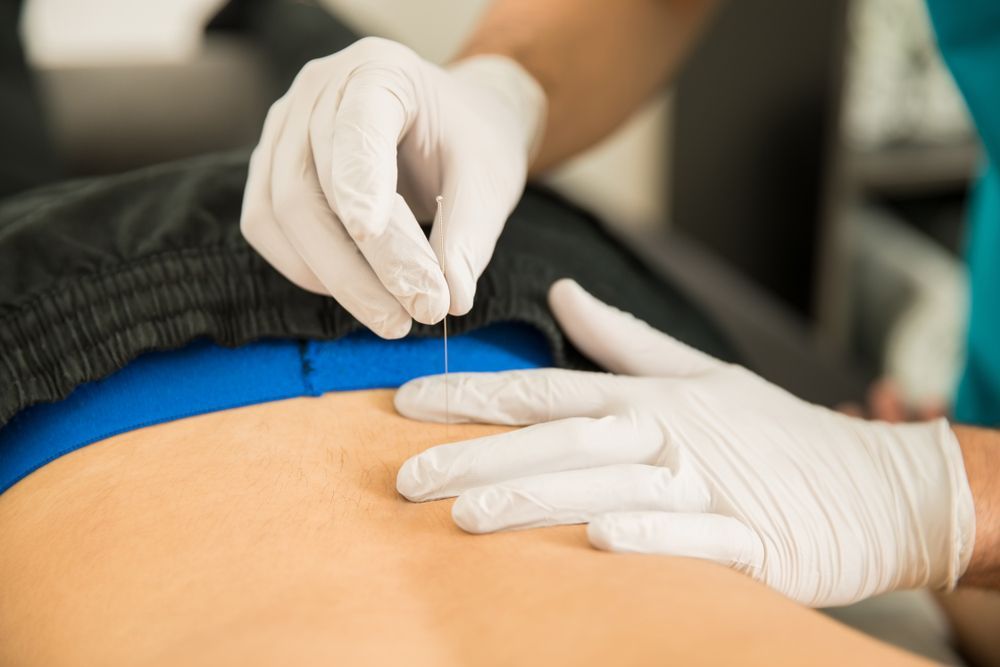
- Lower Back Pain
- Swelling
- Inflammation
- Anxiety
- Tendinitis
How Long Does it Take to Feel Relief?
The time it takes to feel relief from treatments such as acupuncture or dry needling can vary depending on individual factors and the condition being treated. Generally, some people report feeling immediate relief after a session, while others might notice gradual improvements over a few days. For acupuncture, relief often comes after a few sessions as the body responds to the stimulation of specific points. Dry needling can also offer immediate relief for some, though it may take several sessions to achieve optimal results, especially for chronic or complex issues. It’s important to discuss your specific situation with your practitioner to set realistic expectations and to determine the best treatment plan for your needs
How Do They Differ?
On the surface, dry needling and acupuncture seem very similar, especially since they both require fine needles to be placed in specific locations on the body. However, the application and purpose of these treatments is quite different.
Dry needling is based on Western medicine practices, and it evaluates pain level, posture and other orthopedic factors in order to focus on specific types of muscle tissue. Acupuncture, on the other hand, is rooted in Eastern medicine and ancient Chinese tradition, and it treats muscle pain as well as other issues in the body. It is not limited to muscle tissue alone, and can provide patients with more comprehensive results.
Understanding the differences between dry needling vs acupuncture can help you determine which treatment option best complements your care plan. For more information about our
acupuncture therapy services and the
conditions we treat, schedule a consultation at Advanced Physical Medicine of St. Charles today.
Connect with Us: