Best Swimmer’s Shoulder Exercises for Strength and Recovery
April 3, 2025
Share this article:
Written by: Advanced Physical Medicine
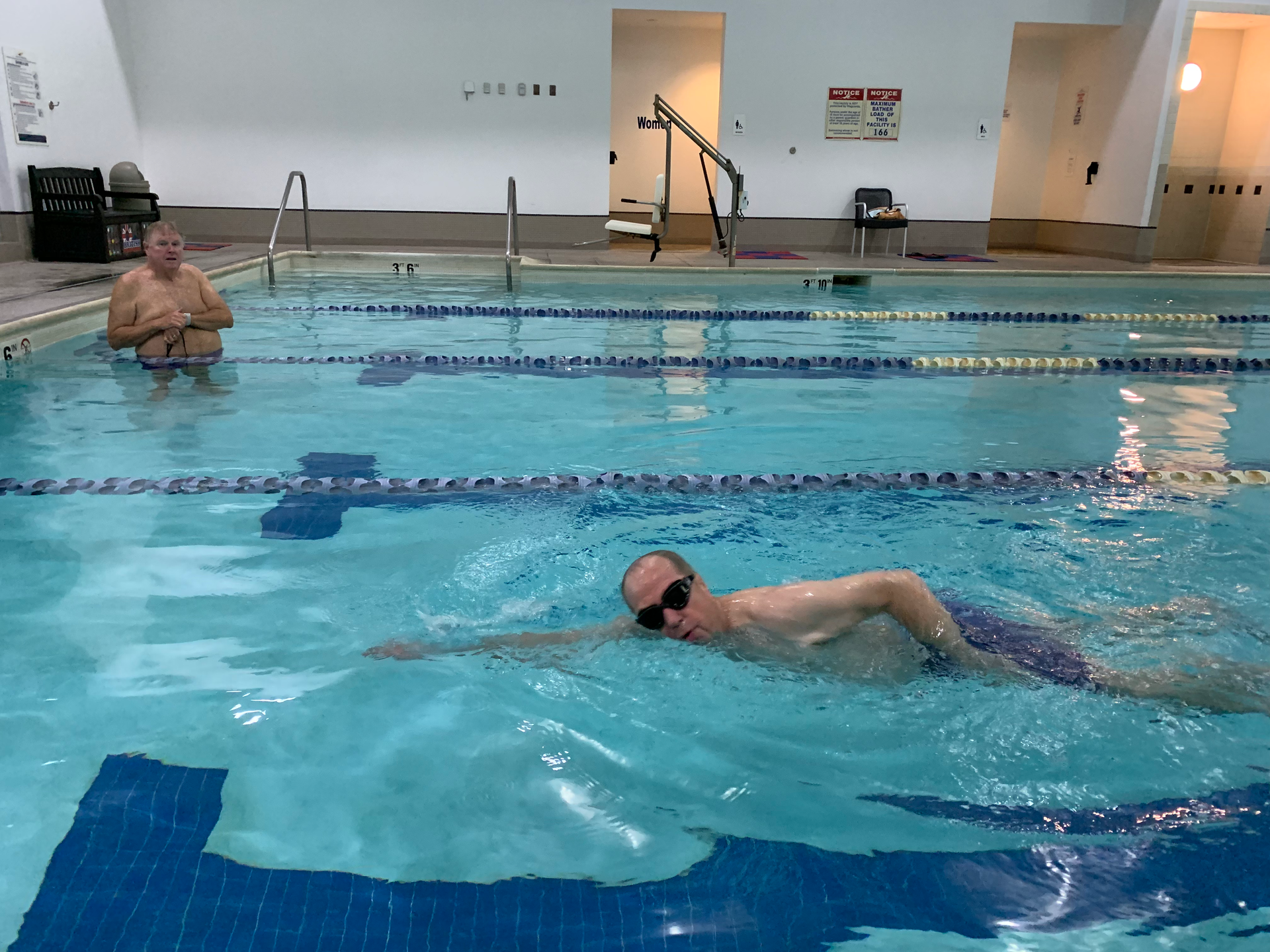
Swimmer’s shoulder is a common overuse injury that affects competitive and recreational swimmers alike. It can lead to pain, inflammation, and limited range of motion, ultimately impacting performance and daily activities. Fortunately, with the right combination of strengthening exercises, mobility drills, and preventative strategies, swimmers can reduce their risk of injury and recover more effectively.
Understanding Swimmer’s Shoulder: Causes and Symptoms
Swimmer’s shoulder is an umbrella term used to describe various shoulder injuries related to swimming. The repetitive overhead motion involved in swimming places significant stress on the shoulder joints, muscles, and tendons, leading to overuse injuries.
Common Causes of Swimmer’s Shoulder
- Overuse and repetitive motion: Continuous strokes such as freestyle, backstroke, or butterfly can lead to microtrauma in the shoulder tissues.
- Poor stroke mechanics: Improper technique can place excessive strain on the rotator cuff and surrounding muscles.
- Muscle imbalances: Weakness in the rotator cuff or scapular stabilizers can contribute to improper movement patterns.
- Lack of flexibility or mobility: Tightness in the shoulders, chest, or upper back can increase stress on the shoulder joint.
Symptoms of Swimmer’s Shoulder
- Persistent shoulder pain, especially during or after swimming
- Reduced range of motion or stiffness in the shoulder
- Weakness in the arm, making it difficult to perform overhead movements
- A clicking or grinding sensation in the shoulder joint
Recognizing these symptoms early can help prevent more severe injuries. For those dealing with persistent pain, Advanced Physical Medicine of St. Charles provides expert care to support recovery and prevent future injuries.
The Importance of Strength and Mobility for Shoulder Health
A strong, mobile shoulder is essential for swimmers to maintain efficient strokes and prevent injury. Overhead movements require both stability and flexibility to reduce strain on the joint. When strength and mobility are imbalanced, the risk of swimmer’s shoulder increases significantly.
Why Strength Matters
Strengthening the rotator cuff and surrounding stabilizing muscles helps protect the shoulder from excessive stress. A well-conditioned shoulder can withstand the repetitive forces of swimming while maintaining proper alignment and function. Weakness in the muscles that support the shoulder blade and rotator cuff can lead to compensatory movements, increasing the likelihood of injury.
Why Mobility Matters
Adequate mobility ensures that the shoulder moves freely without excessive tension. Limited flexibility in the chest, shoulders, and upper back can cause compensatory movements that place additional strain on the rotator cuff. Mobility work, combined with strength training, allows for smoother, more efficient movement patterns in the water.
Best Strengthening Exercises for Swimmer’s Shoulder
Strengthening the muscles that support the shoulder joint is key to both preventing and recovering from swimmer’s shoulder.
1. External Rotation with Resistance Band
Target: Rotator cuff (infraspinatus and teres minor)
- Anchor a resistance band at elbow height.
- Hold the band with your elbow bent at 90 degrees, keeping it tucked against your side.
- Slowly rotate your arm outward, then return to the starting position.
- Perform 3 sets of 12–15 reps per side.
2. Scapular Retractions
Target: Upper back and shoulder blade stabilizers
- Stand tall and pull your shoulder blades together without shrugging.
- Hold for a second, then release.
- Perform 3 sets of 15 reps to improve scapular control.
3. Prone Y-T-Ws
Target: Rotator cuff, trapezius, and scapular stabilizers
- Lie face down on a bench or the floor.
- Raise your arms into a Y, then a T, then a W, holding each position briefly.
- Perform 3 sets of 10 reps per letter.
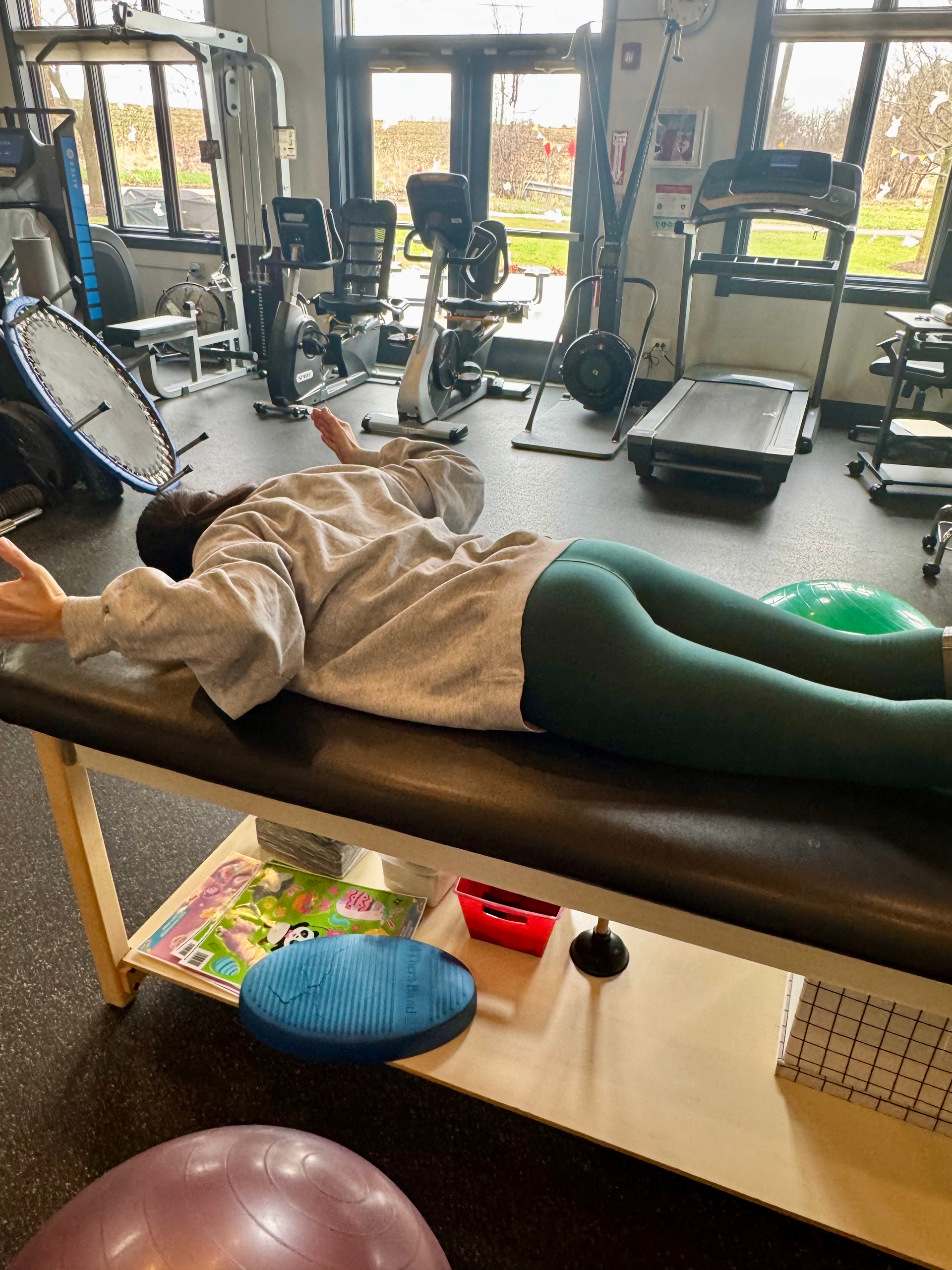
"W" shape demonstration

"Y" shape demonstration
4. Shoulder External Rotation at 90 Degrees
Target: Rotator cuff and shoulder stabilizers
- Hold a light dumbbell or resistance band.
- Raise your arm so your elbow is at shoulder height and bent at 90 degrees.
- Rotate your hand upward, then lower slowly.
- Perform 3 sets of 10–12 reps per side.
5. Serratus Wall Slides
Target: Serratus anterior (key for shoulder stability)
- Stand facing a wall with forearms against it.
- Slide your arms up while keeping shoulder blades engaged.
- Perform 3 sets of 12 reps to improve shoulder mechanics.
Effective Stretching and Mobility Drills for Recovery
Stretching and mobility exercises improve flexibility, reduce tension, and aid swimmer’s shoulder recovery.
1. Cross-Body Shoulder Stretch
Target: Posterior shoulder and deltoid
- Bring one arm across your chest and use the opposite hand to gently pull it closer.
- Hold for 20–30 seconds per side.
2. Sleeper Stretch
Target: Posterior shoulder capsule
- Lie on your side with your bottom arm at 90 degrees.
- Use your opposite hand to gently press the forearm downward until you feel a stretch.
- Hold for 20–30 seconds, then switch sides.
3. Doorway Pec Stretch
Target: Chest and anterior shoulder
- Place your forearms on either side of a doorway.
- Step forward slightly to feel a stretch across the chest.
- Hold for 20–30 seconds to release tightness.
4. Thoracic Spine Extension on Foam Roller
Target: Upper back mobility
- Lie on a foam roller placed across your mid-back.
- Support your head with your hands and gently extend backward.
- Hold for a few seconds, then repeat 10–12 times.
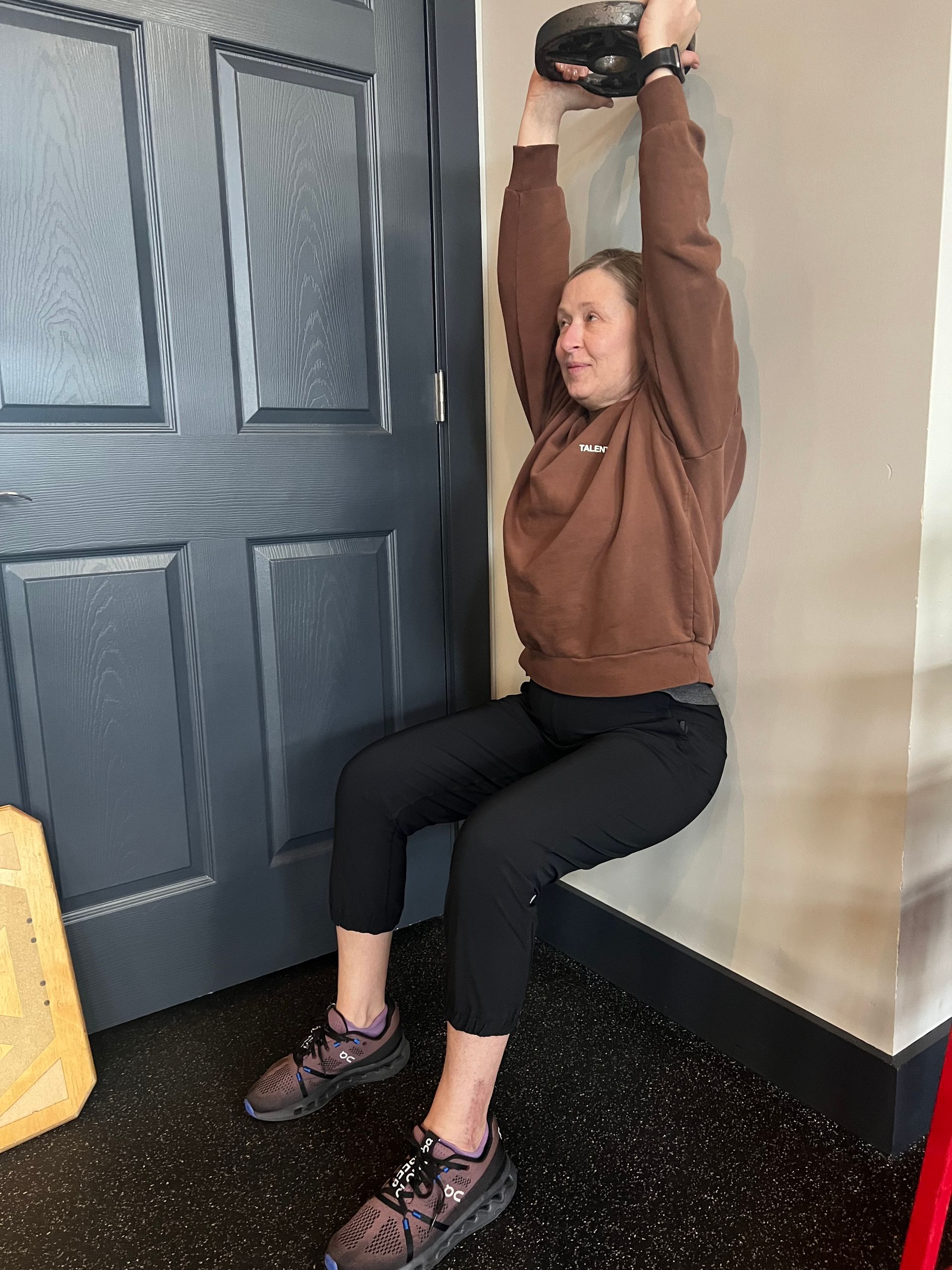
5. Wall Angels
Target: Shoulder mobility and posture
- Stand with your back against a wall, arms bent at 90 degrees.
- Slowly raise and lower your arms while keeping them in contact with the wall.
- Perform 3 sets of 10 reps to improve mobility.
Consistently incorporating these mobility drills can improve shoulder function and speed up recovery.
Preventing Swimmer’s Shoulder
Proactive measures can help swimmers avoid shoulder injuries and maintain long-term performance.
1. Focus on Proper Stroke Mechanics
Poor form places excessive strain on the shoulder. Working with a coach or physical therapist to refine stroke technique can reduce stress on the joint.
2. Strengthen the Rotator Cuff and Scapular Muscles
Regular strengthening exercises improve shoulder stability and reduce the risk of overuse injuries. Consistency is key to maintaining muscle balance and endurance.
3. Prioritize Shoulder Mobility and Flexibility
Tight muscles can alter movement patterns and increase strain on the shoulder. Incorporating mobility drills and stretching into a training routine promotes a full range of motion.
4. Allow for Proper Rest and Recovery
Overtraining without adequate recovery can lead to inflammation and tissue damage. Swimmers should listen to their bodies and take rest days as needed.
5. Warm Up and Cool Down Properly
A dynamic warm-up before swimming and a cool-down routine afterward help prepare the muscles for activity and reduce post-workout stiffness.
Tips for Long-Term Shoulder Health
- Maintain balanced strength: Strengthen the shoulders, core, and back to reduce joint stress.
- Address pain early: Mild discomfort can signal overuse; rest and rehab can prevent worsening.
- Prioritize mobility: Regular stretching and mobility drills keep shoulders flexible and efficient.
- Allow for recovery: Rest days, massage, and active recovery help prevent chronic issues.
When to Seek Professional Treatment for Shoulder Pain
If shoulder pain persists despite rest and rehab, professional care may be necessary. Ignoring symptoms can lead to more serious injuries and longer recovery times.
Signs It’s Time to See a Specialist:
- Pain that worsens or doesn’t improve with home treatment
- Persistent weakness or limited range of motion
- Shoulder instability or a "giving out" sensation
- Swelling, clicking, or grinding in the joint
Advanced Physical Medicine of St. Charles
provides expert care, including physical therapy, chiropractic treatment, and
massage therapy, to help swimmers
recover safely and prevent long-term damage. If shoulder pain is affecting your performance, schedule an appointment today and get back to swimming pain-free.
Connect with Us: