Share this article:
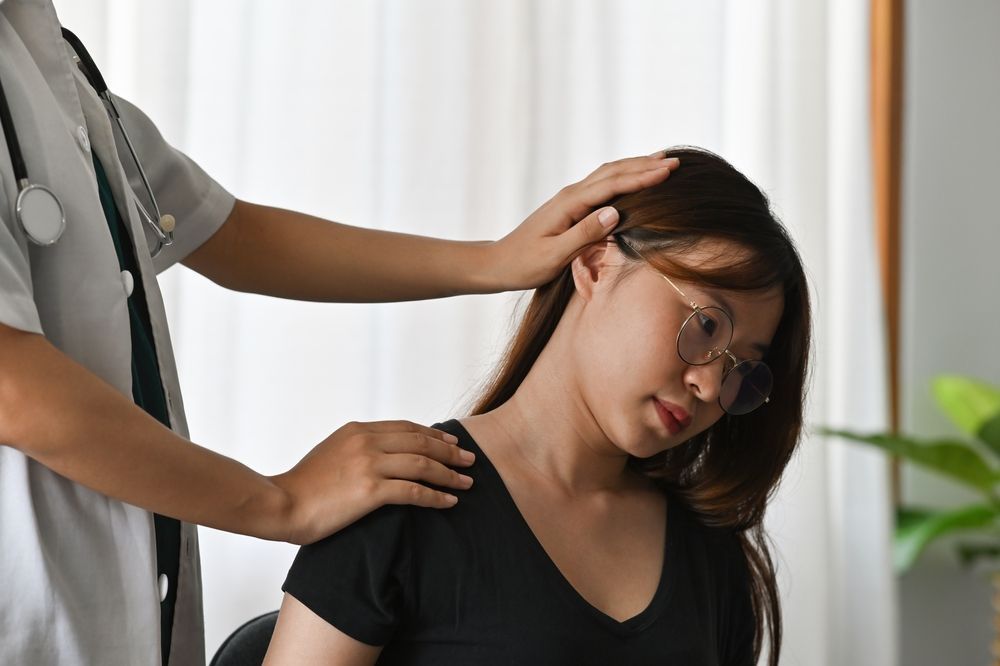
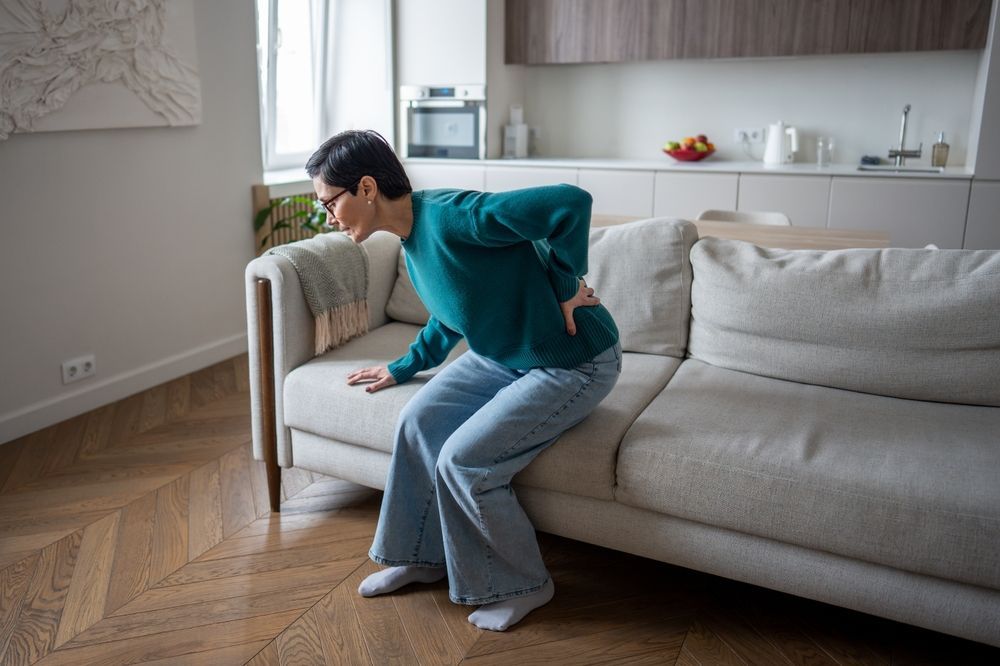
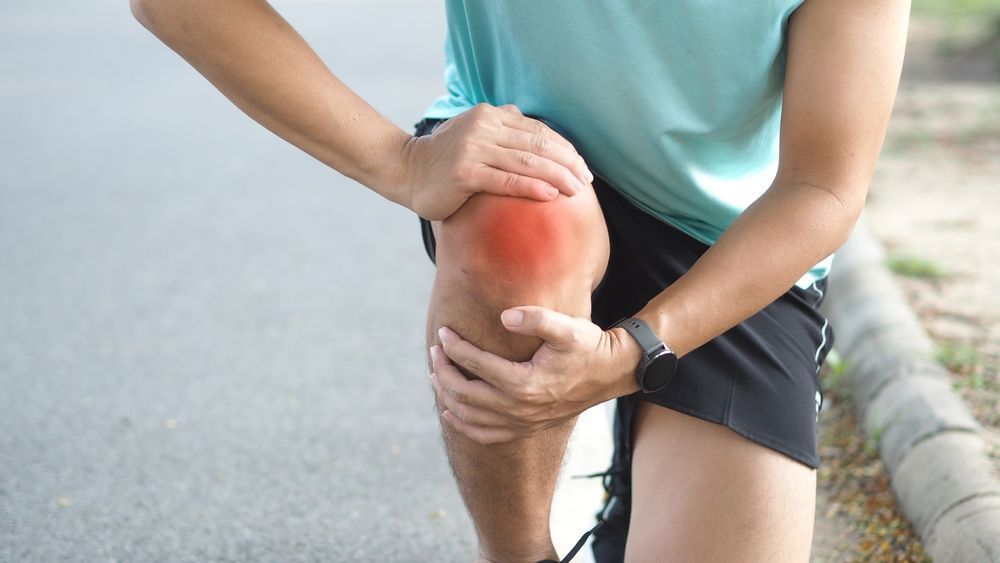
Stiffness, joint pain, and restricted movement can build gradually until they start interfering with daily life. These issues can affect everything from walking to reaching overhead or turning your neck. When joints lose their natural glide, even small movements may become uncomfortable or limited.
Passive stretches and rest may provide temporary relief, but they don’t always address the root of the problem. In many cases, the joint itself needs to be treated directly to restore proper motion.
Joint mobilization is a manual therapy technique designed to improve joint movement and reduce pain. It focuses on the way two joint surfaces slide against each other, using controlled movements to restore mobility.
This approach relies on detailed clinical assessment, targeting specific areas where motion is restricted. As mobility improves, surrounding tissues tend to become less irritated, allowing the body to function more efficiently and comfortably.
How Joint Mobilization Techniques Work
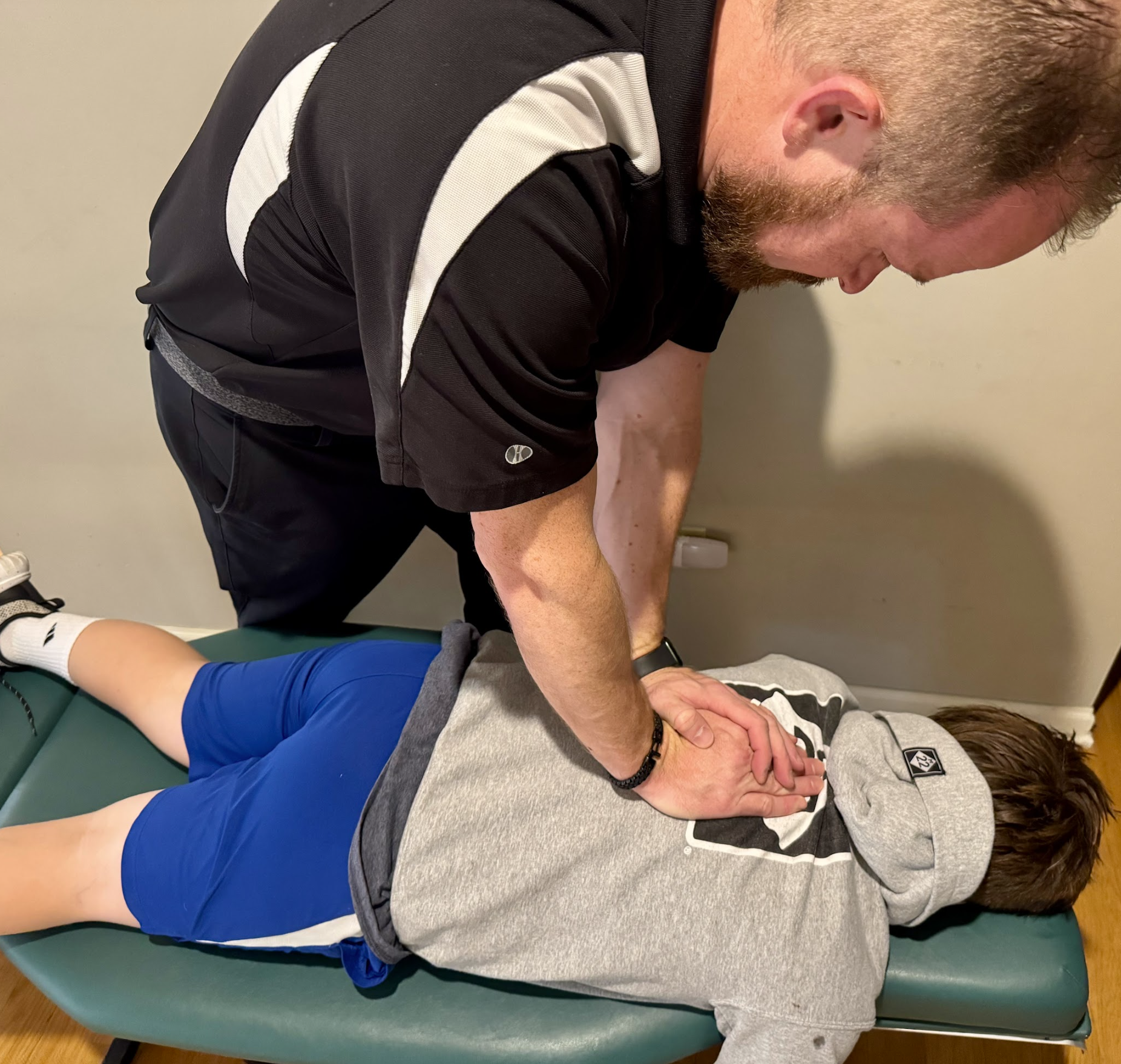
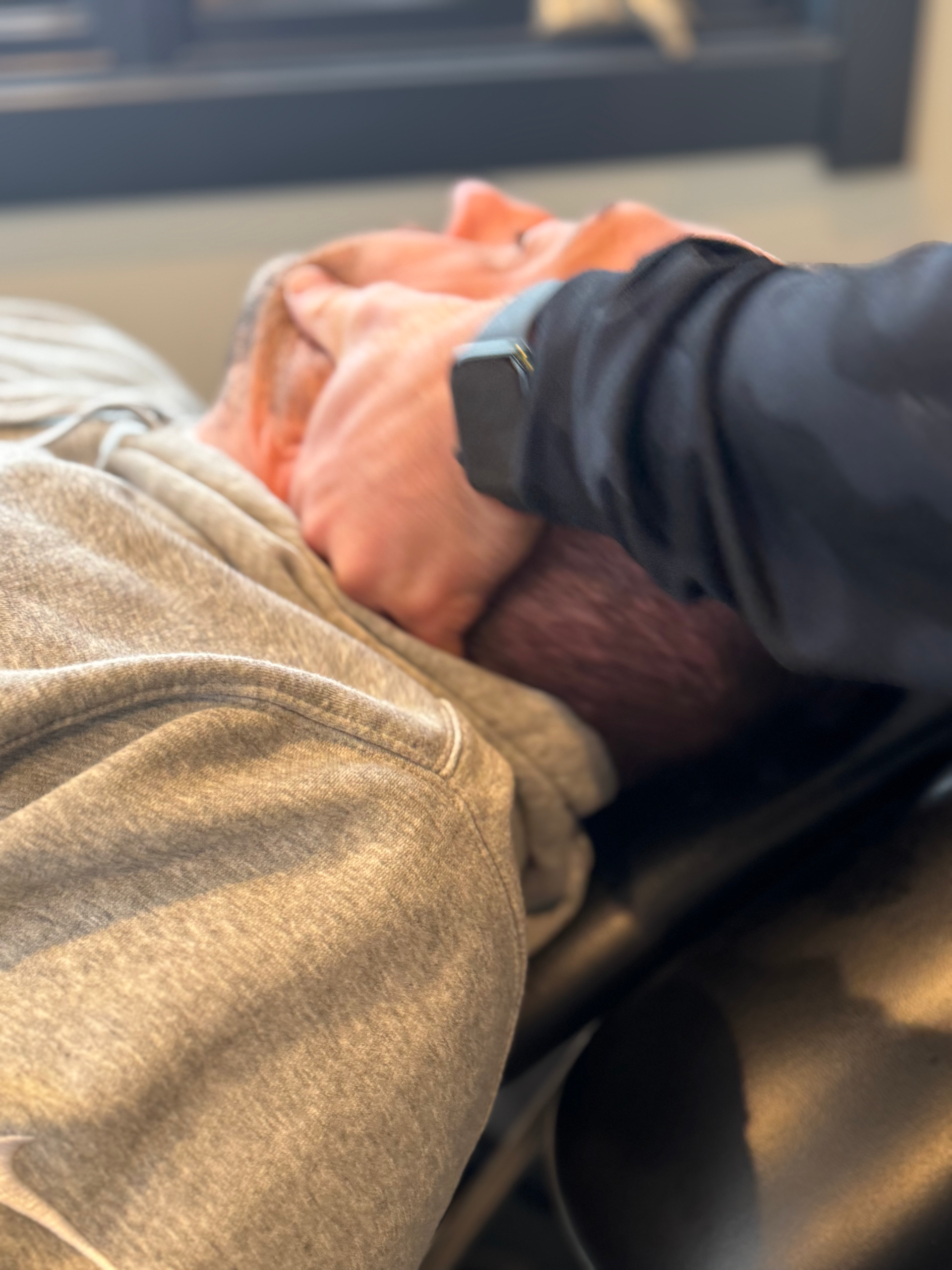
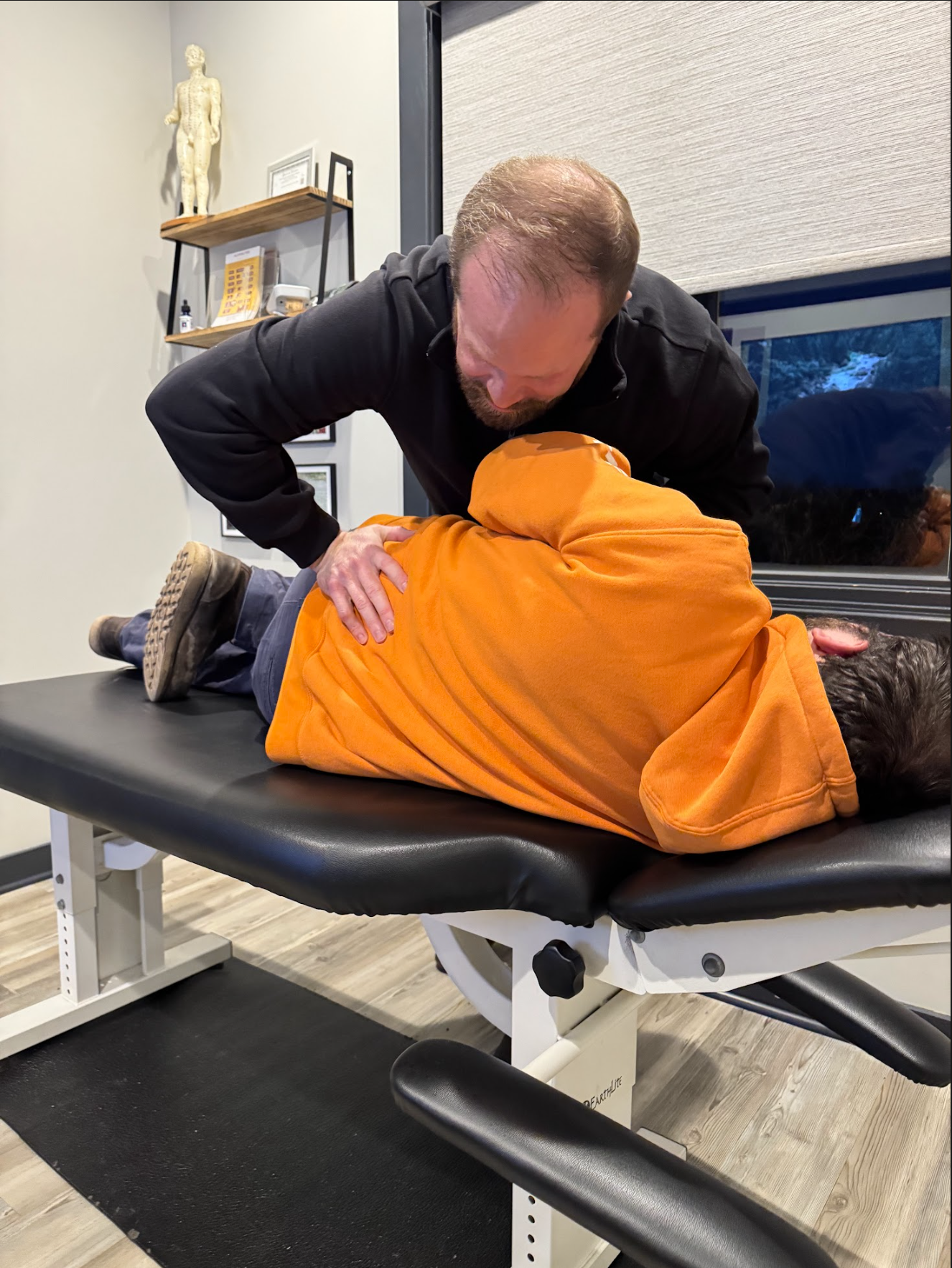
A skilled clinician applies joint mobilization using precise, passive movements at specific joints. These movements are applied at varying speeds and depths, depending on the joint’s condition and how the patient responds to touch and motion. Each technique is selected based on a thorough assessment of joint mobility and pain levels.
The goal is to improve how joint surfaces move relative to one another. The hands guide the joint through small, targeted glides or gentle oscillations, allowing better alignment and function without forcing the joint beyond its limits.
Mobilization is commonly used in areas where movement has become restricted due to injury, inflammation, or postural stress. The technique is adaptable for many parts of the body, including the spine, shoulders, hips, and extremities.
In addition to restoring motion, joint mobilization influences the sensory receptors within and around the joint. These receptors help regulate muscle tone and pain perception, contributing to a more comfortable and efficient movement pattern during recovery.
Breaking Down the Joint Mobilization Grades
Joint mobilization is classified into five distinct grades. These grades guide the intensity and purpose of each mobilization, allowing clinicians to tailor treatment based on the joint’s irritability, range of motion, and overall goals of care.
- Grade I involves small, gentle oscillations at the beginning of the joint's available range. It's primarily used to reduce pain and calm irritated tissues.
- Grade II uses larger movements that still avoid reaching the joint’s full motion. It also helps relieve discomfort and can be used early in treatment when inflammation is present.
- Grade III reaches the end of the joint’s available range with larger amplitude movements. The goal is to improve mobility in joints that feel restricted but not highly sensitive.
- Grade IV applies small, controlled oscillations at the end range to stretch the joint capsule and improve motion. This is often used when pain is minimal, but stiffness remains.
- Grade V, also known as manipulation, uses a quick, small thrust beyond the joint’s end range. This grade is applied under specific conditions and requires advanced training.
Selecting the right grade depends on how irritable the joint is, how much motion is available, and how the patient responds during treatment. Careful grading allows the therapist to target the joint in a way that supports healing without causing excess irritation.
Key Benefits of Joint Mobilization Therapy
Pain Reduction Without Medication
Targeted mobilization can calm sensitive joints and surrounding tissues. The technique helps interrupt pain signals, making movement more comfortable without relying on pharmaceuticals.
Restored Joint Motion
Freer joint movement means daily tasks like walking, turning, or reaching become smoother and less restricted. Mobilization helps joints regain their natural glide, especially
after injury or periods of inactivity.
Improved Muscle Function
When joints move properly, muscles can fire more efficiently. This reduces unnecessary tension and allows for better performance during exercise and rehabilitation.
Better Posture and Alignment
Restricted joints often lead to compensation in other areas of the body. Mobilizing these segments helps improve overall body mechanics, reducing strain on adjacent joints and muscles.
Support for Long-Term Recovery
For those recovering from
trauma, surgery, or chronic dysfunction, joint mobilization plays a key role in restoring foundational movement. It helps prepare the body for strengthening, balance work, and higher-level activity.
Each of these benefits contributes to a more complete and efficient recovery process, allowing patients to move with less
discomfort and greater confidence.
Joint Mobilization vs. Other Therapies
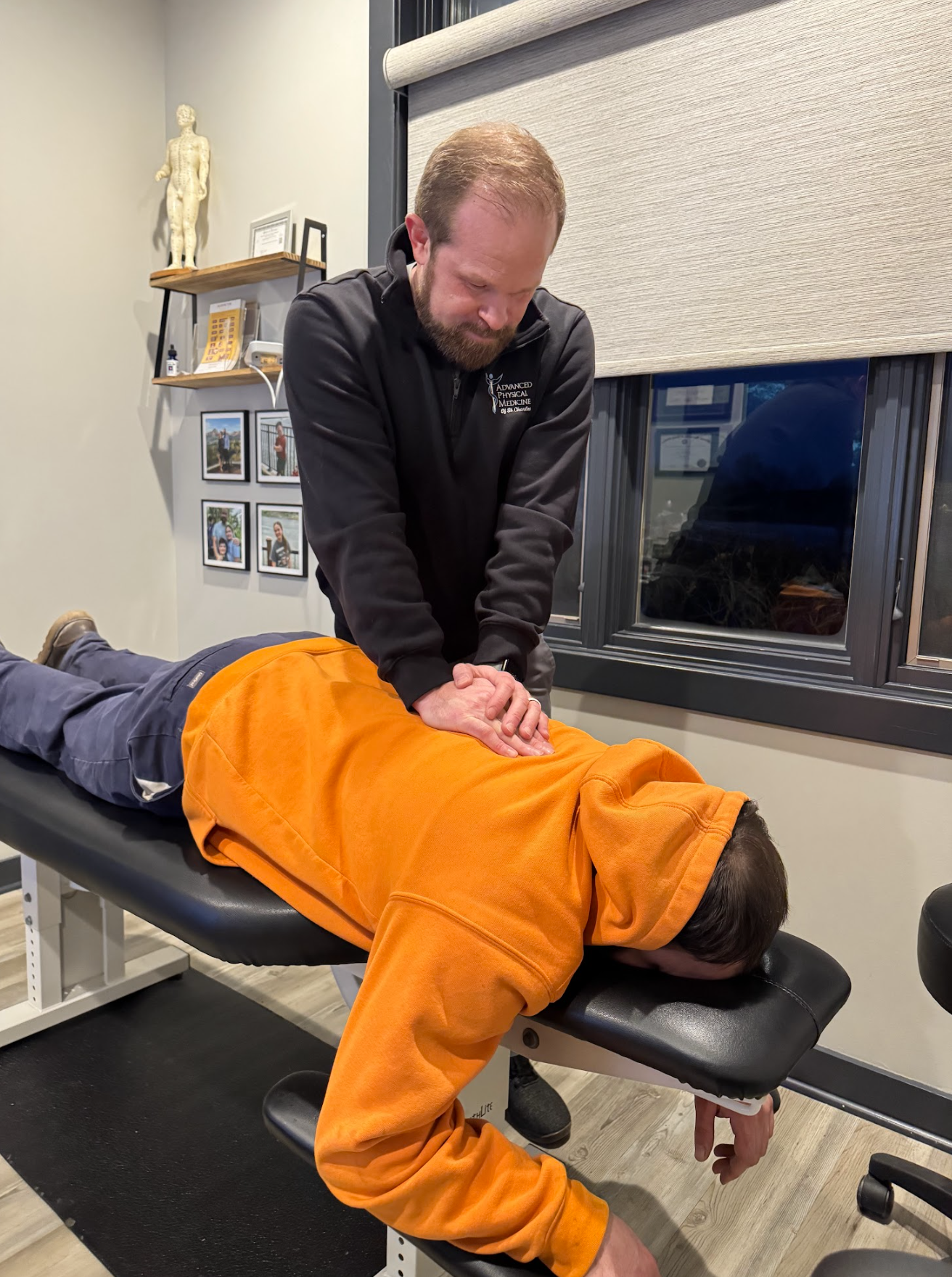
Joint mobilization stands apart from other manual therapies due to its focus on restoring movement within the joint itself. Unlike massage or stretching, which target muscles and soft tissues, mobilization addresses the way joint surfaces move against one another.
Compared to high-velocity manipulations, joint mobilization is more controlled and adaptable. It allows clinicians to work within a patient’s comfort level, making it suitable for those dealing with pain, inflammation, or surgical recovery.
While passive treatments like ultrasound or electrical stimulation may offer temporary relief, they don’t improve joint mechanics. Mobilization helps correct movement at the source, making other therapies more effective.
It’s also a strong complement to exercise. Restoring joint motion first allows muscles to activate properly, improving strength, balance, and overall function during
rehabilitation.
Take the First Step Toward Better Mobility
Limited joint motion can affect everything from your comfort to your ability to stay active. Stretching or rest may offer short-term relief, but if the joint itself isn’t moving properly, symptoms often return.
You want to move without pain, handle daily tasks with ease, and stay engaged in the activities you enjoy. Joint mobilization can help make that possible. It targets the source of restriction and supports lasting improvement.
Real recovery starts when the right treatment is in place.
Experience the difference at Advanced Physical Medicine of St. Charles. See for yourself why our patients say we’re the best physical therapy and chiropractic office around.
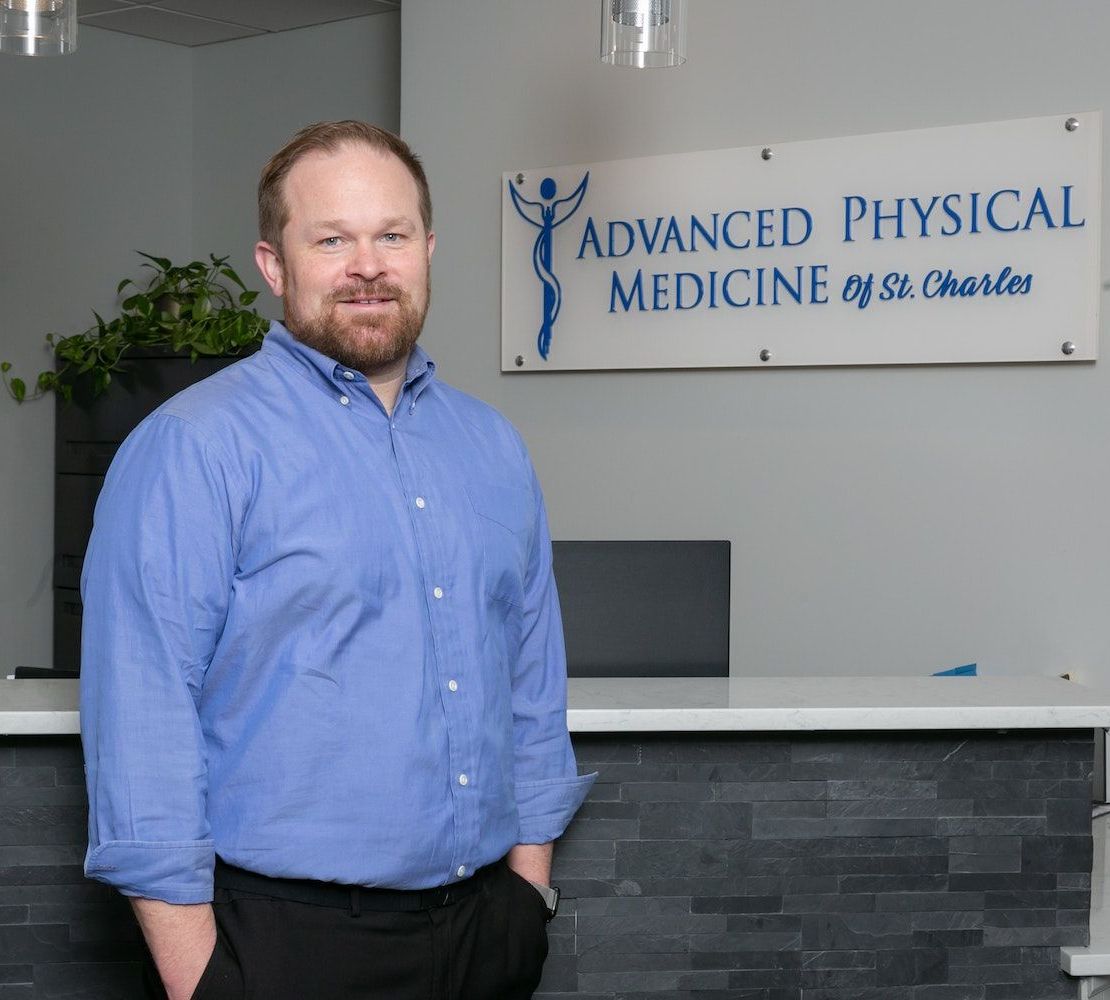
About Dr. Glenn
Board Certified Chiropractic Physician | Certified in Acupuncture
Born and raised in Oakland, Michigan, Dr. Glenn played competitive soccer for 12 years while being a 3 year varsity player and winning the Division 1 State Championship his senior year of high school. He attended Michigan State University, while earning his Bachelors of Science in human biology. He then attended National University of Health Sciences in Lombard, IL while earning a second Bachelors degree in human biology and his Doctorate in Chiropractic Medicine. He became certified in acupuncture through the post-graduate program at Lincoln College.
Connect with Us: