Share this article:
What Is a Concussion? Understanding the Basics
It starts with a hit to the head. Maybe during a football game, a fall on the ice, or a fender bender at a stoplight. At first, it might seem like nothing. But over the next few minutes or hours, symptoms begin to show up. You feel foggy, off balance, and sensitive to light or sound. That’s how a concussion works. It doesn’t always show up right away, and it doesn’t always follow the same pattern.
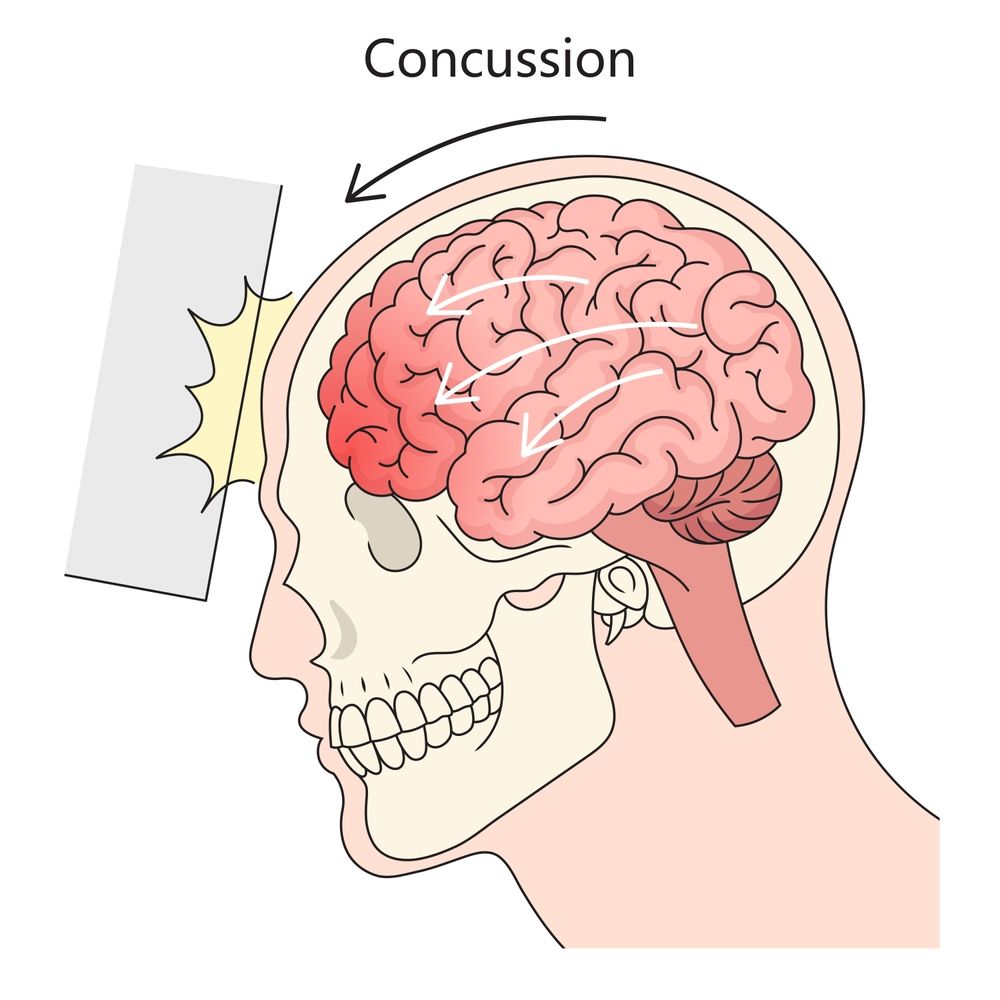
A concussion is a mild traumatic brain injury caused by a sudden impact that shakes the brain inside the skull. This movement affects how the brain sends and receives signals. Even a minor blow can disrupt memory, coordination, mood, and focus.
The brain itself is soft, suspended in fluid, and not fixed in place. When the head is struck, the brain moves rapidly in one direction and then recoils in the opposite direction. The motion is similar to gelatin shifting inside a container when it is shaken. There is an initial movement followed by a secondary rebound. This back-and-forth action can create widespread disruption even when the impact does not appear severe.
Concussions are common in contact sports like football, hockey, and soccer, but they also happen at home, on the job, or during a car accident. The recovery process looks different for each person, but there is a clear structure to how symptoms develop and resolve. The stages of concussion recovery help explain what the body goes through and what kind of support makes the most difference.
At Advanced Physical Medicine of St. Charles, our team helps patients move through that process safely and confidently. Whether symptoms are mild or severe, we offer structured care at every step. Recovery starts with understanding what’s happening and having a plan in place.
Stage 1: Pre-Injury and Risk Factors
Concussions don’t begin at the moment of impact. Risk builds over time, shaped by a person’s health history, environment, and daily activity. A previous concussion increases the likelihood of another and can affect the recovery timeline. Age also plays a role. Younger individuals are more prone to injury due to ongoing brain development, while older adults may have balance or coordination challenges that raise the risk of falls.
Contact sports such as football, hockey, wrestling, and cheerleading carry a higher rate of concussion due to repeated physical contact. Outside of sports, head injuries commonly result from car accidents, slips, or unexpected falls at work or home.
Recognizing these risk factors helps set realistic expectations and supports faster decision-making when an injury does occur. Early awareness allows for faster medical evaluation and a more structured recovery plan.
Stage 2: Immediate Impact and Acute Signs
The moment of injury can produce a wide range of immediate responses. Some people lose consciousness, while others stay awake but feel disoriented, confused, or “foggy.” Headache, dizziness, and visual disturbances are common in the first few minutes. These signs may be obvious, but in many cases, they’re subtle and easy to overlook.
Acute symptoms can also include sensitivity to light or sound, balance problems, nausea, or delayed verbal responses. These effects don’t always appear right away. In some cases, symptoms begin hours after the injury, which can delay recognition and treatment.
This stage is when the brain is most vulnerable. Continuing activity, especially physical exertion, can increase the risk of further damage. Immediate rest and medical evaluation are recommended to prevent complications and begin the concussion recovery timeline as safely as possible.
Stage 3: Acute Symptomatic Phase
The first few days after a concussion often bring the most noticeable symptoms. Headaches, fatigue, sensitivity to light or sound, and difficulty concentrating are among the most common. Some individuals report feeling mentally slowed down, emotionally off, or easily overwhelmed by routine tasks. Sleep may be disrupted, and short-term memory can be affected.
Symptom duration isn’t consistent for everyone. Some recover within a few days, while others may experience prolonged discomfort lasting several weeks. Activities like screen time, physical exertion, or exposure to loud environments tend to intensify symptoms during this stage.
The focus during this phase is on protecting the brain and preventing symptom escalation. Careful monitoring and limited stimulation support the healing process and help avoid setbacks during the later stages of concussion recovery.
Stage 4: Early Recovery and Initial Rest
As symptoms begin to ease, the brain enters a more stable phase of recovery. Rest is still important, but complete inactivity is no longer recommended. Light physical movement and short periods of mental activity may be reintroduced based on symptom tolerance.
Many individuals feel an improvement during this stage, which can create a false sense of full recovery. However, the brain is still healing, and even moderate exertion can bring symptoms back. Activities like walking, reading, or brief screen use should be added gradually and paused if symptoms return.
Progress during this phase depends on consistency and pacing. Recovery moves forward when the brain is given the time and structure it needs to heal without interruption. Clear communication, close monitoring, and a structured approach help maintain momentum without setbacks.
Stage 5: Graduated Return to Activity
As symptoms continue to improve, individuals can begin reintroducing physical and cognitive activities in a controlled, step-by-step process. The goal is to return to normal function without overstimulating the brain or causing symptoms to return. Activities may start with light tasks such as walking, short reading sessions, or basic household responsibilities.
Each increase in activity should be guided by symptom response. If headaches, dizziness, or fatigue resurface, the current level of activity may be too much. Returning to the previous step and allowing more time can help avoid setbacks.
Careful progression matters most during this phase. Full participation in school, work, or sports should only resume once the brain has tolerated each step without symptoms. A consistent recovery plan reduces the risk of reinjury and supports long-term neurological health.
Stage 6: Full Recovery and Long-Term Management
When symptoms no longer interfere with daily function and activity levels return to normal, the recovery process is considered complete. Most individuals reach this stage without lasting complications, though some may notice minor changes in focus, stamina, or stress tolerance during more demanding tasks.
For those returning to contact sports, physically demanding work, or environments where another injury is possible, a guided transition can reduce the chance of setbacks. In some cases, follow-up care may help fine-tune performance, reinforce confidence, or address lingering concerns.
Patients recovering from a concussion benefit from having a clear plan, consistent guidance, and access to professionals who understand how the brain heals. Advanced Physical Medicine of St. Charles provides focused, individualized care to help patients move forward safely and fully. Reach out to schedule an evaluation and
take the next step toward recovery.
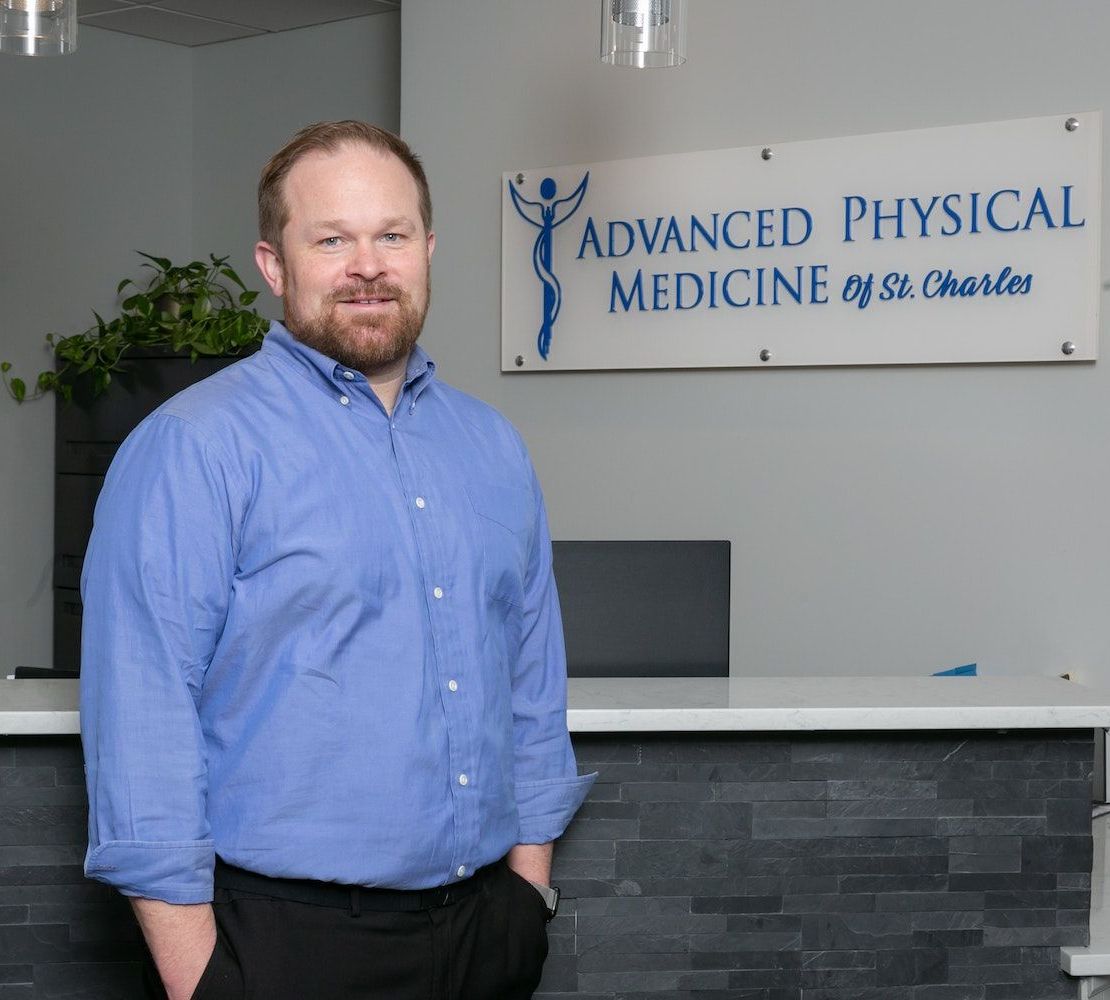
About Dr. Glenn
Board Certified Chiropractic Physician | Certified in Acupuncture
Born and raised in Oakland, Michigan, Dr. Glenn played competitive soccer for 12 years while being a 3 year varsity player and winning the Division 1 State Championship his senior year of high school. He attended Michigan State University, while earning his Bachelors of Science in human biology. He then attended National University of Health Sciences in Lombard, IL while earning a second Bachelors degree in human biology and his Doctorate in Chiropractic Medicine. He became certified in acupuncture through the post-graduate program at Lincoln College.
Connect with Us: