Share this article:
Written by: Advanced Physical Medicine

Swelling is a natural part of your body’s healing response and often begins within minutes of an injury. While mild to moderate swelling is expected and can help protect the injured area, it typically begins to subside within a few days as healing progresses. However, if swelling persists beyond 48 to 72 hours, worsens over time, or is accompanied by significant pain or limited mobility, it may be a sign of a more serious underlying issue. In these cases, seeking medical evaluation is essential to prevent long-term complications and ensure proper recovery.
Understanding Swelling After an Injury
It's important to recognize that swelling after an injury is a normal and expected reaction. To some extent, swelling can occur after any type of injury, whether it is minor or severe.
When an injury occurs, the afflicted individual is first overcome with pain. It's only after the pain begins to subside that the swelling starts to set in. While some swelling is normal, the body can overreact at times and excessive swelling can occur.
Duration of Swelling After an Injury
There is no set timeline for how long swelling can or should occur. Ultimately, the duration of swelling after an injury will depend on the location of the injury and its overall severity.
Generally speaking, if you are experiencing serious swelling for more than a couple of days, it may be a good idea to have a physician or physical therapist take a look.
Factors Influencing Swelling Duration
The duration and severity of swelling can be influenced by a variety of factors, such as:
- The location of the injury.
- The extent of the injury.
- The measures that were taken immediately following the injury.
Managing Swelling at Home
When an injury occurs, you can take several important steps that can help you manage swelling at home. These steps include:
- Protecting the injured area. Wrapping or bracing the affected area can significantly reduce immediate swelling.
- Resting and elevating the injured body part. Giving your body a chance to naturally heal itself can minimize swelling.
- Applying a cold compress to the affected area. Ice or cold compresses not only work to reduce swelling, but can also minimize pain.
These at-home measures are most effective when you take action immediately following an injury.
When to Seek Medical Attention
Chronic swelling after an injury should be addressed by a medical professional. If you are still experiencing the signs and symptoms of swelling several weeks after an injury has occurred, you should seek medical care from your provider. Your physician may be able to prescribe medication to reduce swelling, or they may recommend that you begin physical therapy in order to treat the injury.

Role of Physical Therapy in Swelling Reduction
At Advanced Physical Medicine of St. Charles, we specialize in providing injured patients with personalized care plans that are designed to reduce pain and restore mobility.
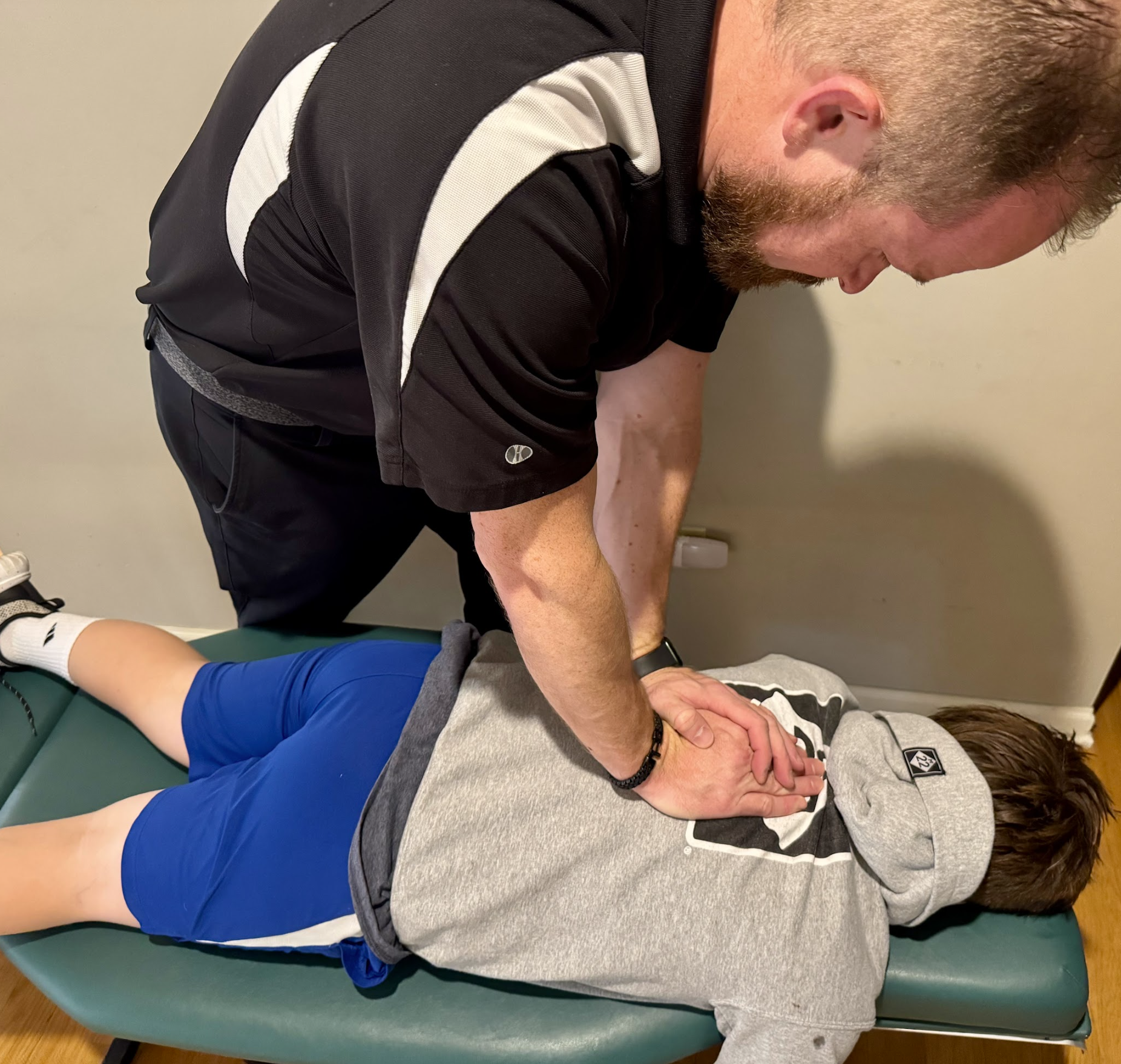
Our licensed physical therapists rely on a variety of techniques in order to reduce swelling in our patients. Not only will we work with you to create a customized exercise program to alleviate pain and improve functionality, but we will also incorporate massage therapy into your care plan in order to naturally reduce swelling. Our holistic approach to physical therapy ensures that our patients are able to recover fully after an injury or surgical procedure.
Request an appointment today to learn more about how we can expedite your recovery and help you move forward after your injury.
Connect with Us: