Share this article:
Back pain affects daily routines, sleep, work, and physical activity. It can come and go or settle in and limit movement for weeks. Medications, rest, and physical therapy help some people, but not everyone gets lasting relief.
Acupuncture offers a noninvasive option that targets pain without medication. This treatment uses precise points on the body to reduce tension, calm the nervous system, and promote healing. For those dealing with ongoing back pain, acupuncture provides a different path forward that’s backed by research and clinical results.
What Causes Back Pain?
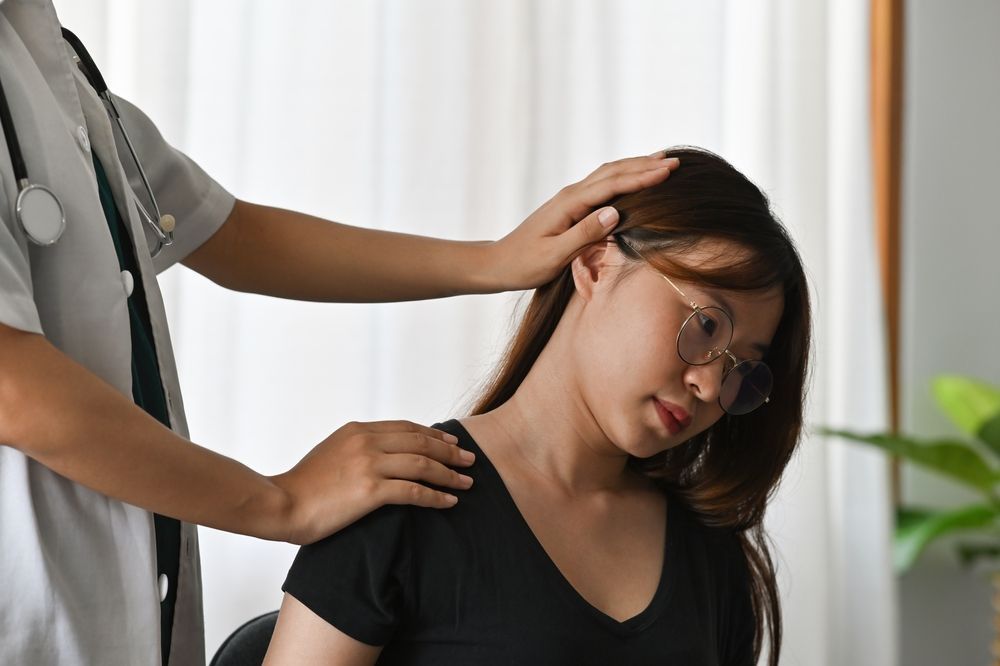
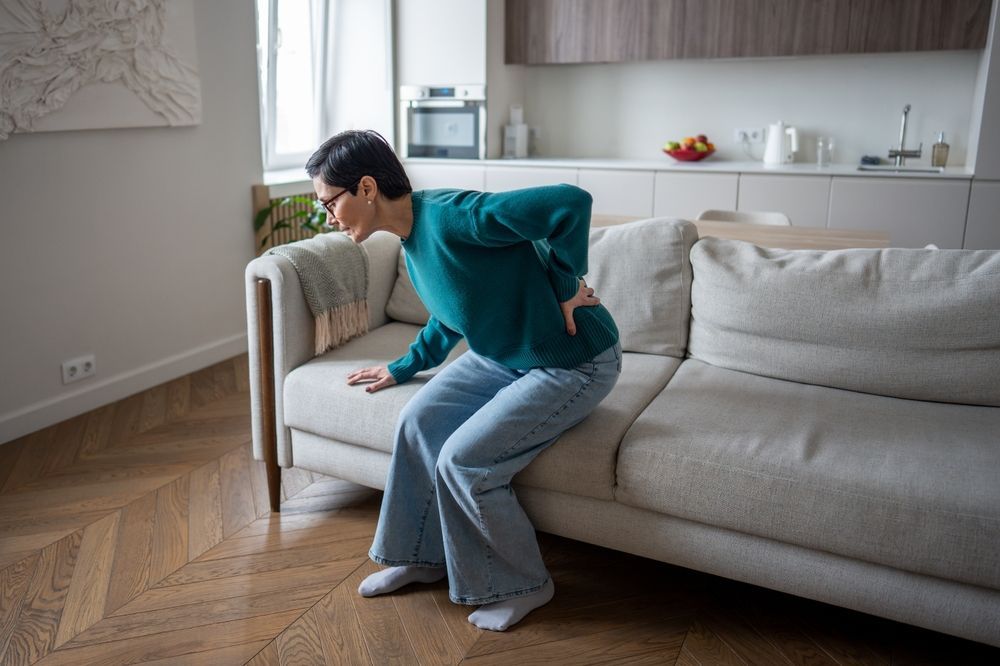
Back pain can develop from several physical stressors or conditions. Strained muscles, poor posture, or lack of core strength are common contributors. Sitting for long hours, lifting improperly, or moving awkwardly during activity can also trigger pain in the lower or mid-back.
Structural problems such as herniated discs, spinal degeneration, or joint inflammation may play a role. In some cases, the pain follows a specific injury. In others, it builds gradually over time due to repetitive movements or wear and tear.
Tension, fatigue, and stress often add to the discomfort, making muscles feel tight and movement more limited. Identifying the cause of back pain helps determine which therapies will offer the best results.
How Acupuncture Relieves Back Pain
Acupuncture uses thin, sterile needles to stimulate specific points along the body. These points are chosen based on patterns of pain, tension, and nerve sensitivity. Once activated, they help trigger the release of natural pain-relieving chemicals and improve circulation to affected areas.
For back pain, the treatment often targets points along the spine, hips, and lower back. This helps relax tight muscles, calm irritated nerves, and reduce inflammation. Many patients feel a sense of release during or shortly after treatment, along with greater freedom of movement.
Unlike medications that may only dull symptoms, acupuncture works to interrupt pain signals and encourage long-term relief.

Benefits of Acupuncture for Back Pain
Acupuncture provides meaningful relief for many people dealing with back pain, especially when standard approaches have not helped. It works with the body to reduce discomfort and improve overall function without relying on medication.
Common benefits include:
Reduced muscle tension:
Tight muscles in the lower back, hips, or shoulders often respond well to acupuncture. Relaxed tissue helps relieve pressure on nerves and joints.
Fewer pain signals:
Acupuncture helps interrupt the body’s pain response through natural chemical release, including endorphins and other neurotransmitters.
Improved blood flow:
Circulation increases around the areas being treated, helping tissue heal and reducing stiffness.
Better mobility:
Looser muscle groups and less inflammation often make walking, bending, or stretching more comfortable.
Lower stress response:
A calmer nervous system supports recovery by reducing the physical effects of daily tension.
Acupuncture may offer results within a few sessions, especially when combined with other supportive therapies that focus on movement and recovery.
What to Expect During Treatment
An acupuncture session for back pain begins with a brief consultation. The provider asks about symptoms, movement limitations, and health history to determine the most effective treatment points.
Thin, sterile needles are then inserted at specific locations on the back or related areas, such as the legs or hips. Most people feel minimal discomfort during this process. Some experience a mild sensation like warmth, pressure, or a light pulsing in the area being treated.
The session typically lasts between 20 and 40 minutes. After treatment, many patients describe feeling more relaxed or physically at ease. Results may develop gradually, depending on how long the pain has been present and how the body responds. A treatment plan may include several sessions to build and maintain relief.
Comparing Acupuncture to Other Therapies
Acupuncture and Medication
Pain medications can provide short-term relief but do not address the source of discomfort. Acupuncture works differently. It stimulates the body's natural systems to reduce pain, improve circulation, and calm overactive nerves, without the side effects tied to frequent medication use.
Acupuncture and Chiropractic Care
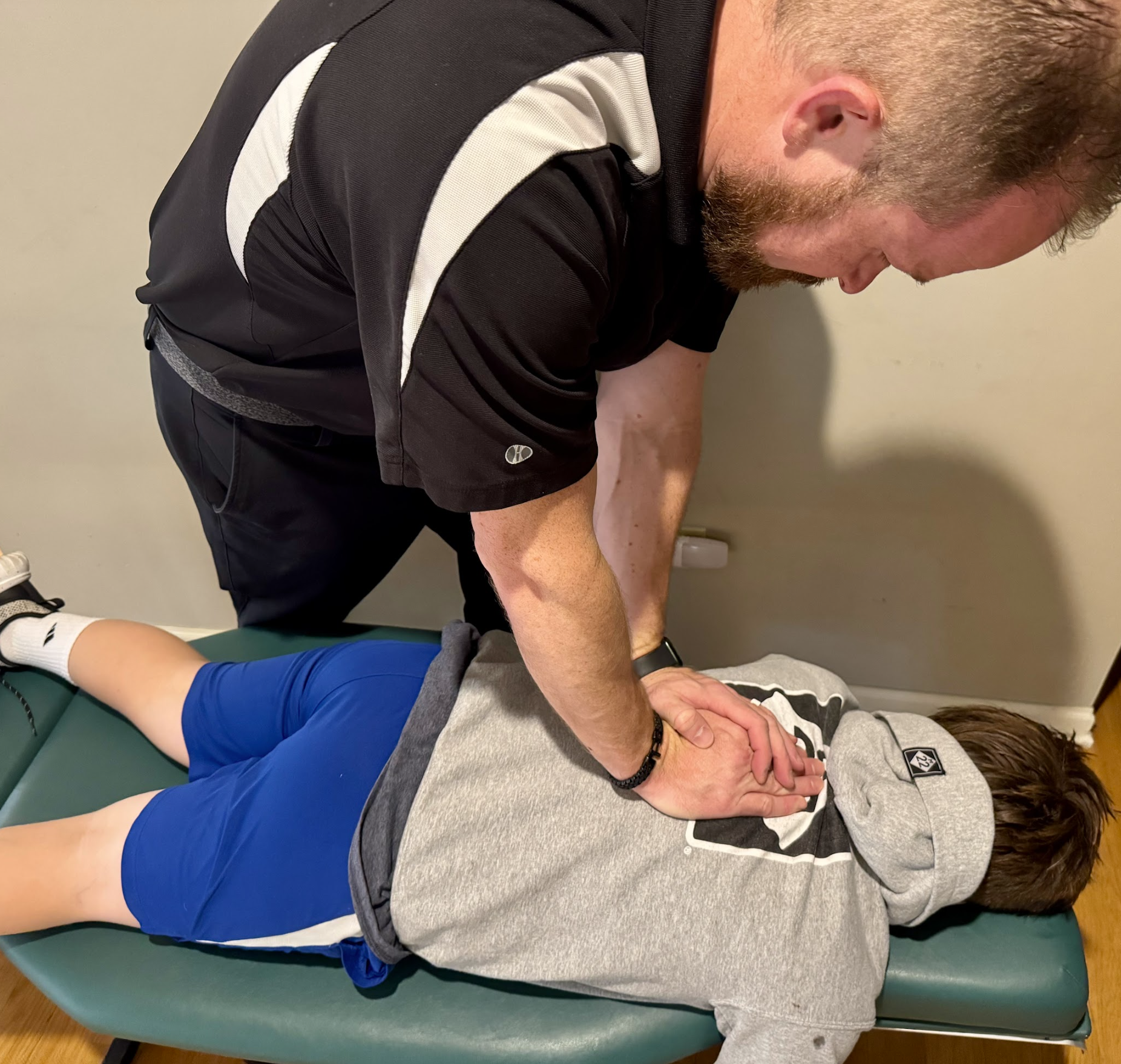
Chiropractic treatment focuses on spinal alignment and joint function. Acupuncture complements this approach by targeting soft tissue and calming nerve sensitivity. For patients dealing with muscle tightness, nerve irritation, or stress-related pain, combining the two can improve outcomes.
Acupuncture and Physical Therapy
Both treatments can play an important role in recovery. Physical therapy uses movement and strengthening exercises to correct imbalances. Acupuncture supports that process by relieving tension, reducing inflammation, and improving how the nervous system responds to pain. Used together, they can create a more complete recovery plan.
Is Acupuncture the Right Choice for You?
Some people live with back pain longer than they need to. Others cycle through treatments that never fully address the issue. When progress stalls, the next step should offer real potential for change.
Acupuncture creates that opportunity. It fits into care plans for a wide range of people, whether the pain is new, stress-related, or tied to long-term strain. It’s not about masking discomfort. It’s about helping the body move and feel better through a safe, focused process.
Advanced Physical Medicine of St. Charles provides acupuncture in a setting where clinical experience meets personal attention. Experience the difference at Advanced Physical Medicine of St. Charles. See for yourself why our patients say we're the best physical therapy and chiropractic office around.
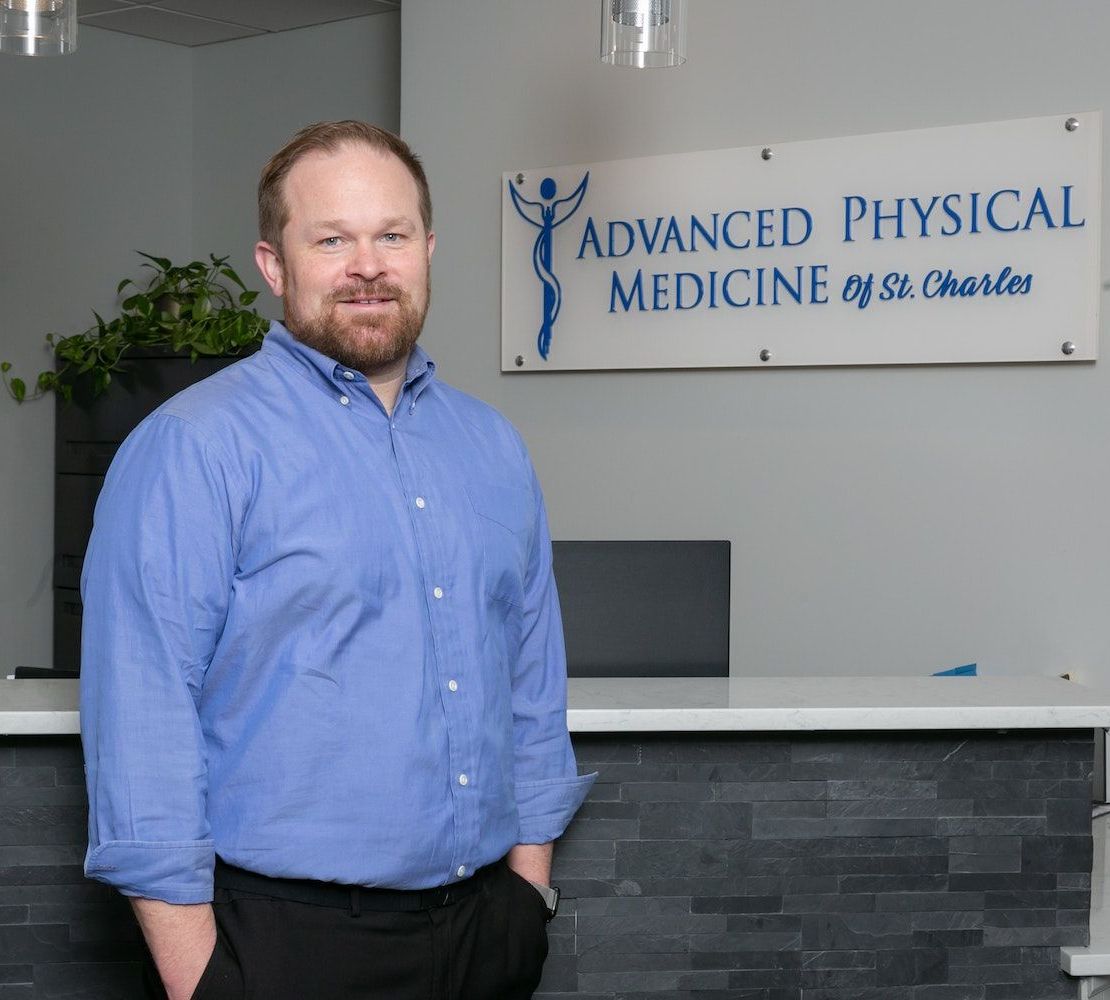
About Dr. Glenn
Board Certified Chiropractic Physician | Certified in Acupuncture
Born and raised in Oakland, Michigan, Dr. Glenn played competitive soccer for 12 years while being a 3 year varsity player and winning the Division 1 State Championship his senior year of high school. He attended Michigan State University, while earning his Bachelors of Science in human biology. He then attended National University of Health Sciences in Lombard, IL while earning a second Bachelors degree in human biology and his Doctorate in Chiropractic Medicine. He became certified in acupuncture through the post-graduate program at Lincoln College.
Connect with Us: