Share this article:
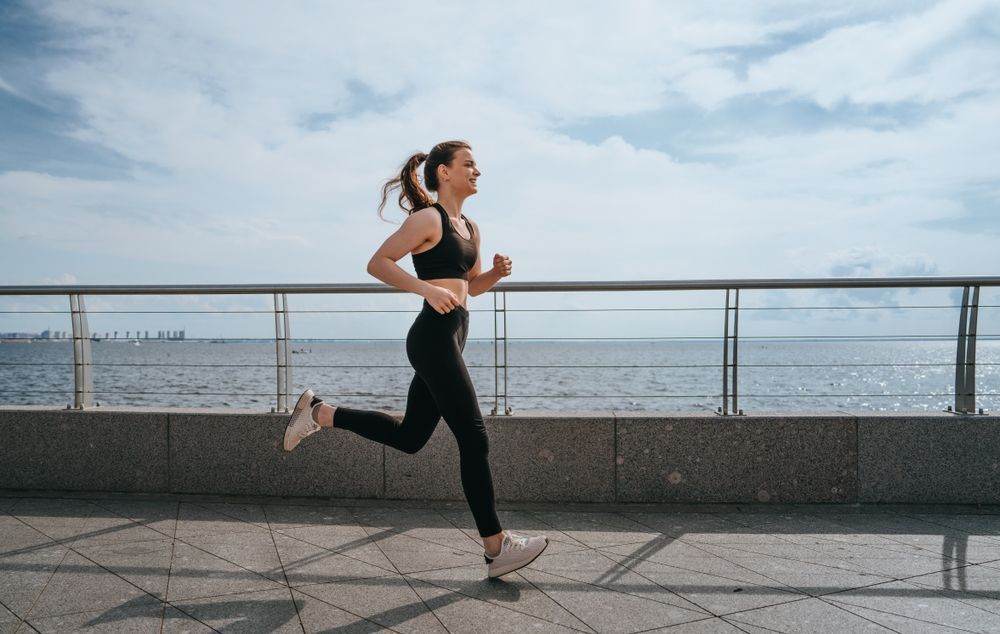
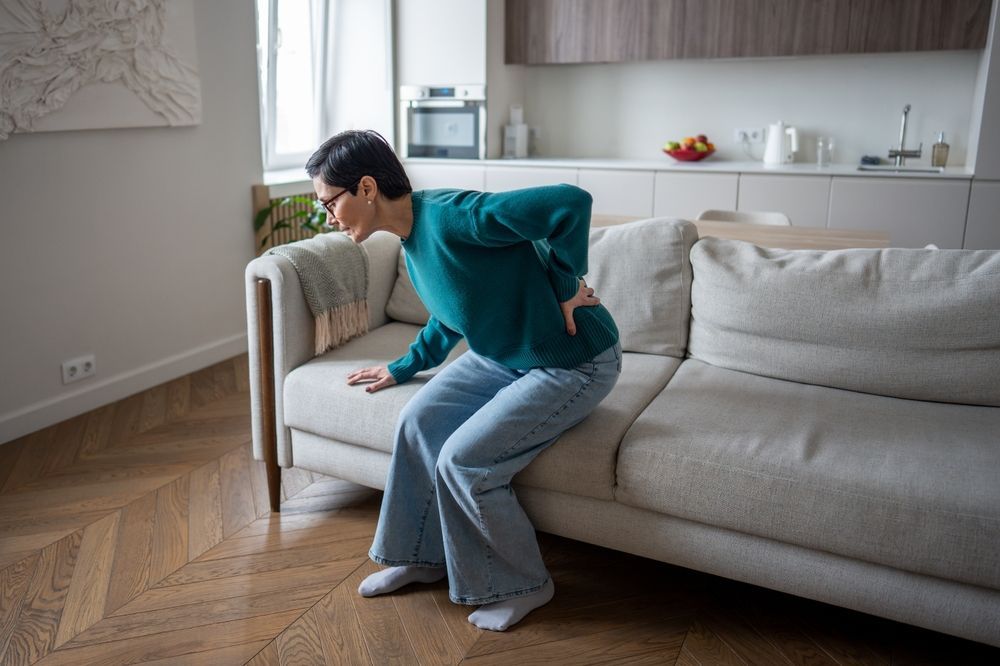
Running places constant stress on the body. Soreness, stiffness, and tightness build up quickly after long or intense sessions. Without proper recovery, muscles stay fatigued and more prone to injury.
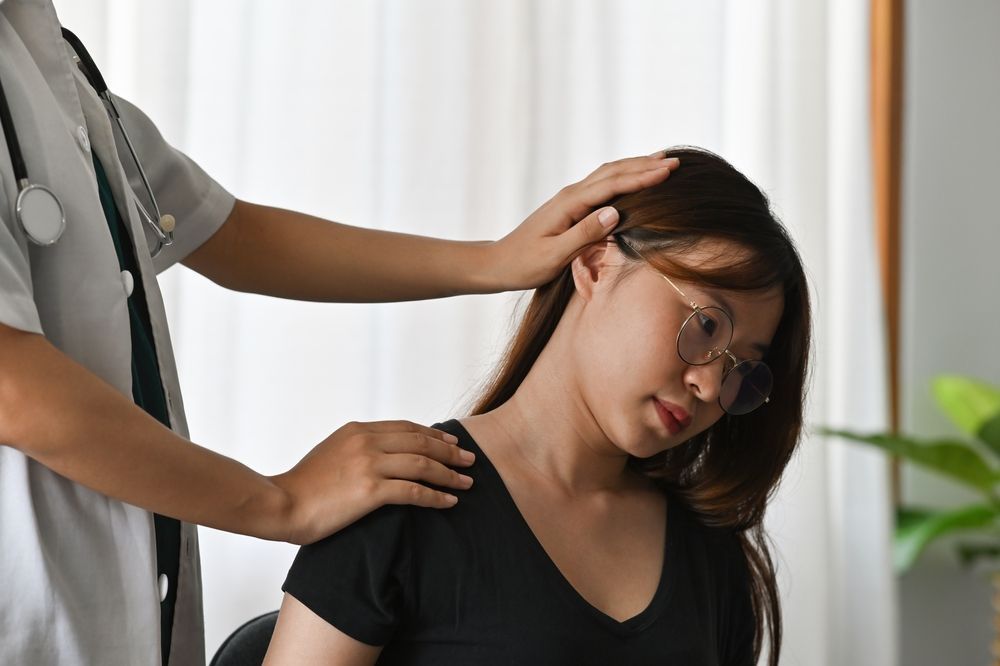
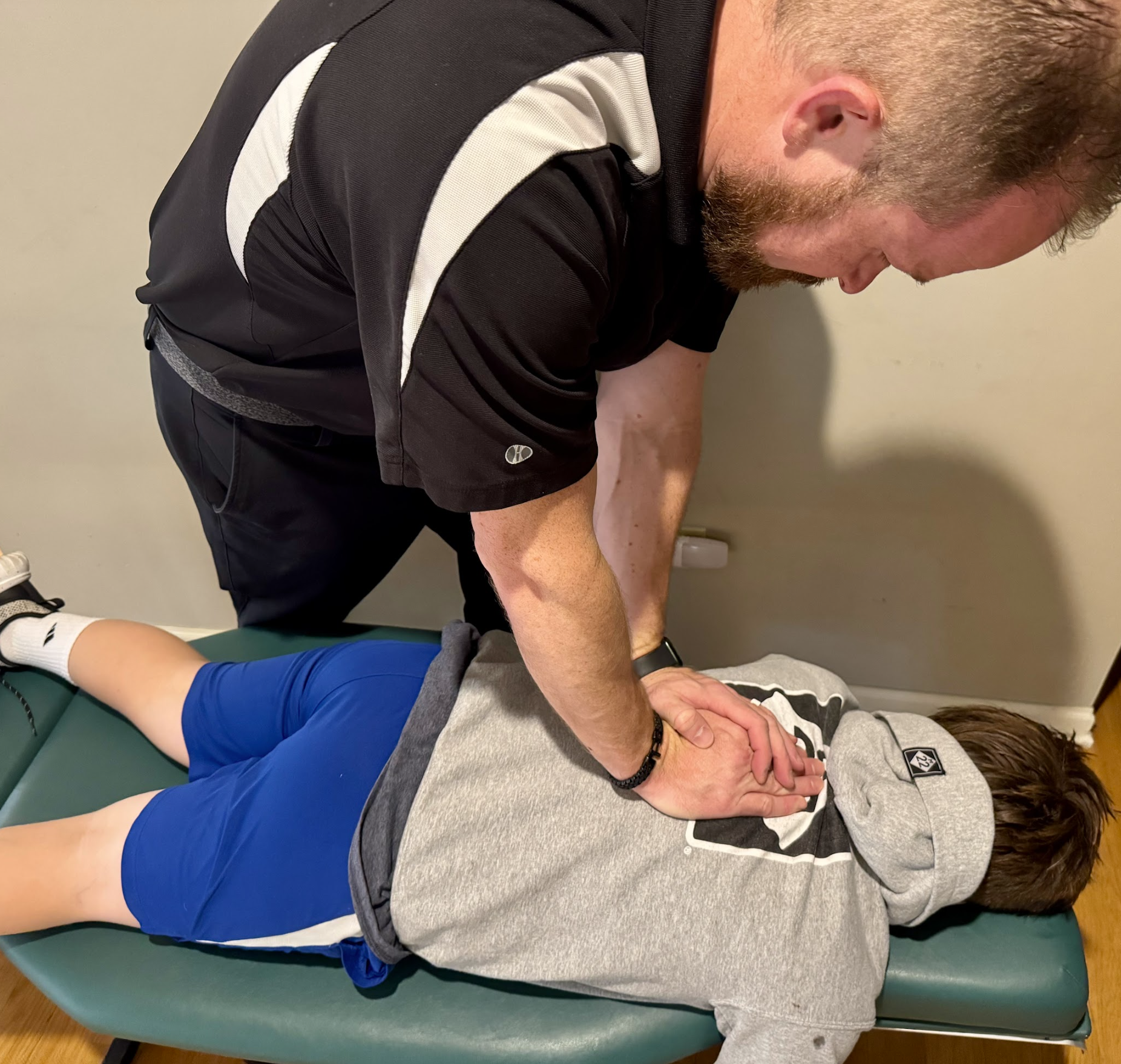
Massage therapy for runners targets overworked areas, speeds up recovery, and helps maintain a strong, consistent stride. It improves circulation, reduces tension, and supports the body through each stage of training.
Runners who make massage part of their routine recover faster, move better, and stay in the race.
Enhancing Muscle Recovery After Long Runs
Long runs create microscopic damage in muscle tissue. Massage therapy helps repair that damage by improving blood flow, removing waste buildup, and easing tightness in overused areas. Soreness fades faster, and muscles regain strength sooner.
Calves, hamstrings,
knees, and
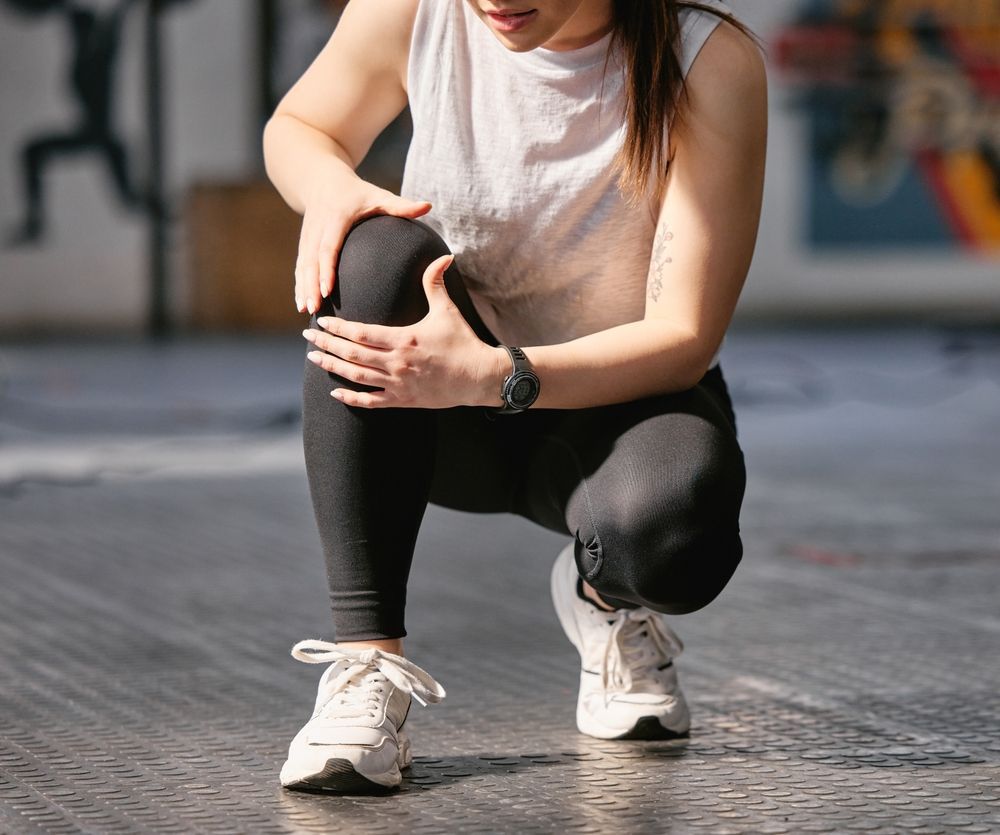
hip flexors often carry the most strain. Focused massage reduces tension in these areas, restores normal movement, and prepares the body for the next training session. Faster recovery keeps runners on schedule and lowers the chance of missing workouts.
Reducing Inflammation and Preventing Injury
Repetitive impact and high mileage often lead to low-grade inflammation in muscles and joints. If left alone, this can build over time and increase the risk of tendonitis, muscle strain, or joint pain. Massage therapy helps calm the body’s inflammatory response by improving circulation, reducing fluid buildup, and easing tension in stressed areas.
Targeted pressure encourages better lymphatic flow, which plays a key role in removing excess waste and limiting swelling. Tight fascia, irritated tendons, and sore muscles become more pliable and responsive to movement.
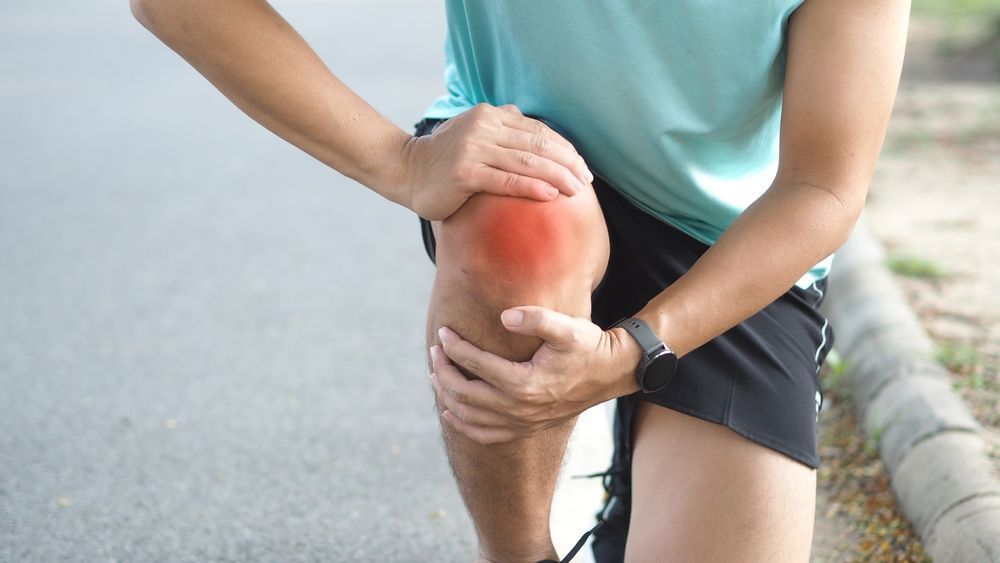
Common problem areas for runners, such as the IT band, shins, and
knees, respond well to this kind of focused care. Loosening these areas early helps prevent discomfort from progressing into injury. For runners building toward a goal, staying healthy means staying consistent.
Improving Flexibility and Range of Motion
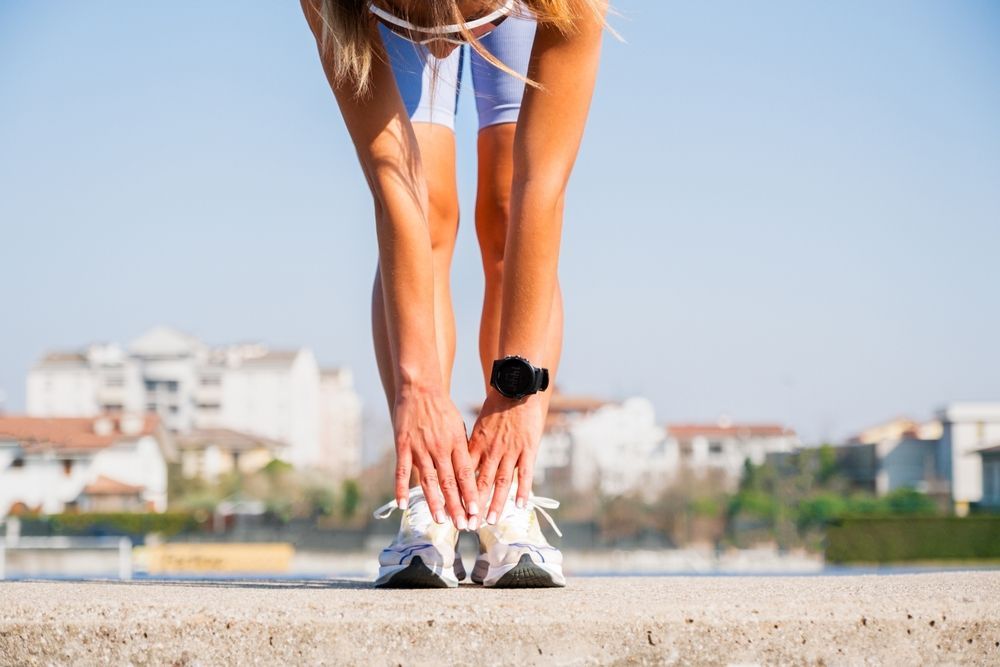
Tight muscles restrict how the body moves. Over time, limited mobility in the hips, hamstrings, or calves can affect stride efficiency and lead to compensation patterns that wear down joints. Massage therapy helps restore flexibility by lengthening soft tissue, releasing adhesions, and improving joint movement.
Regular sessions keep the muscles supple and responsive, especially in high-demand areas like the hip flexors, quads, and ankles. A better range of motion leads to smoother mechanics and a lower risk of strain during speed work, hill training, or longer efforts.
Boosting Circulation for Optimal Performance
Efficient blood flow plays a key role in performance. Muscles need oxygen and nutrients to contract, recover, and rebuild after each session. Massage therapy stimulates circulation by working soft tissue directly, encouraging better oxygen delivery and faster removal of waste like carbon dioxide and lactic acid.
Stronger circulation keeps muscles energized longer and shortens recovery between runs. During demanding training cycles such as intervals, tempo work, or consecutive sessions, improved blood flow helps the body maintain pace and avoid breakdown.
Manual techniques also enhance venous return and lymphatic drainage, reducing swelling in high-impact areas like the feet, ankles, and lower legs. Over time, these changes help preserve strength, improve endurance, and keep runners progressing.
Managing Chronic Pain and Overuse Conditions
Relieving Ongoing Pain
Many runners experience recurring pain in the
knees, shins, lower back, or feet. These issues can result from muscular imbalances, repeated stress, or improper movement patterns. Massage therapy reduces tension in overloaded areas, calms irritated tissue, and helps restore natural function.
Supporting Recovery From Overuse
Injuries like plantar fasciitis, shin splints, and patellar tendinitis can limit training for weeks at a time. Massage improves tissue mobility and promotes healing by increasing blood flow and reducing stiffness around the affected areas. Targeted work helps the body recover without adding stress to the injury site.
Preventing Setbacks
Tight muscles and small aches can escalate when ignored. Regular massage allows runners to address early signs of strain before they become more serious. This approach keeps the body more balanced, improves
movement patterns, and reduces the risk of being sidelined.
Supporting Mental Focus and Relaxation
Running places demands on both the body and mind. Long-distance training, race preparation, and the pressure to stay consistent can lead to mental fatigue, stress, and poor sleep. Massage therapy creates space for the nervous system to reset. It lowers cortisol levels, activates the parasympathetic response, and promotes a calm, focused state.
That mental reset carries over into training. Improved sleep, better mood, and reduced stress help runners stay sharp and motivated. Massage also provides a dedicated break from high-output routines, giving the body and mind time to recharge without losing momentum.
For runners balancing busy schedules or working through setbacks, this recovery time can help maintain clarity and discipline.
Integrating Massage Therapy into a Runner’s Training Plan
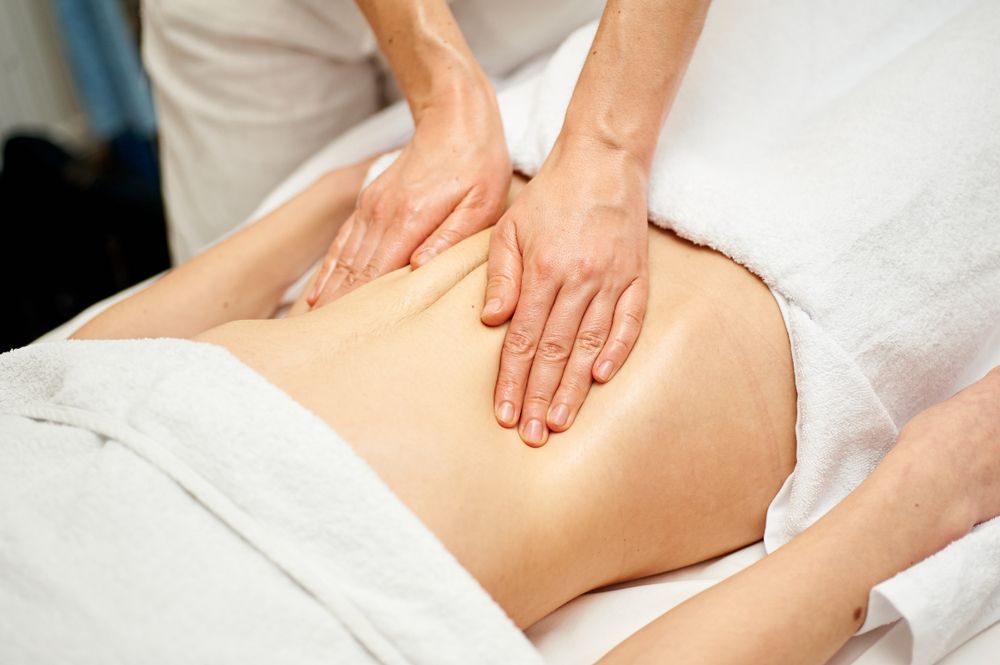
Massage therapy is most effective when it becomes part of a regular recovery routine. Scheduling sessions at key points in training, such as after long runs, during high-mileage periods, or in the days following a race, helps the body stay balanced and resilient.
Each runner has unique physical demands based on pace, terrain, and training volume. A consistent massage plan can target high-stress areas, adapt to changing needs, and help reduce the risk of setbacks. This level of care improves movement and supports steady progress.
At Advanced Physical Medicine of St. Charles, our licensed massage therapists work closely with active individuals to keep their bodies performing at a high level. Experience the difference at Advanced Physical Medicine of St. Charles. See for yourself why our patients say we're the best physical therapy and chiropractic office around.
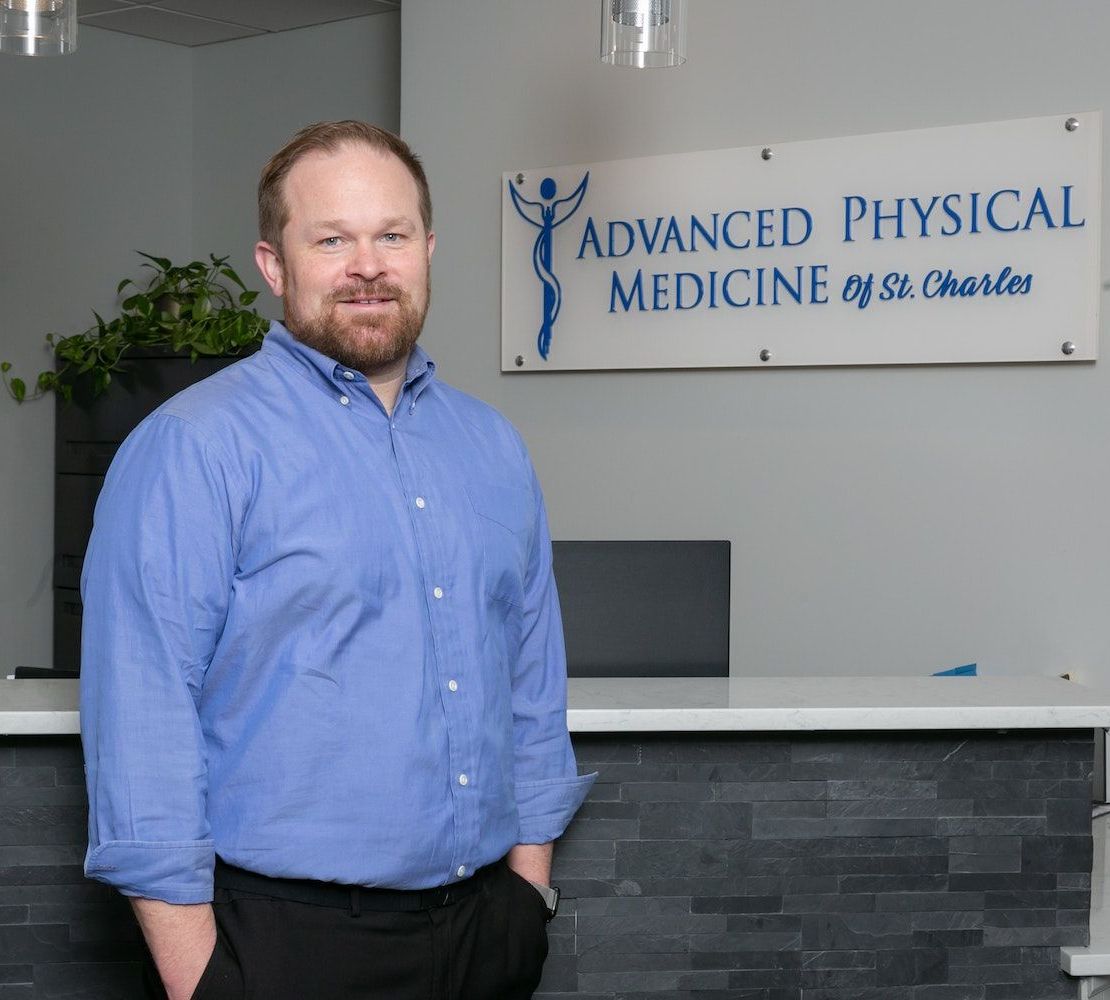
About Dr. Glenn
Board Certified Chiropractic Physician | Certified in Acupuncture
Born and raised in Oakland, Michigan, Dr. Glenn played competitive soccer for 12 years while being a 3 year varsity player and winning the Division 1 State Championship his senior year of high school. He attended Michigan State University, while earning his Bachelors of Science in human biology. He then attended National University of Health Sciences in Lombard, IL while earning a second Bachelors degree in human biology and his Doctorate in Chiropractic Medicine. He became certified in acupuncture through the post-graduate program at Lincoln College.
Connect with Us: