Share this article:
Understanding the Most Common Football Injuries
Football pushes the body to its limits. Quick changes in direction, powerful collisions, and repetitive motion put athletes at risk for injury throughout the season. While every position carries its own physical demands, some types of injury in football are consistently more common than others.
Sprains and strains are among the most frequent, especially in the ankles, knees, and hamstrings. Muscle tension and knot formation are also common, especially after high-contact play or repetitive movement. These soft tissue injuries often result from overextension or improper movement. Shoulder injuries, including dislocations and AC joint sprains, are also widespread, particularly during blocking or tackling. Concussions remain a concern at all levels of play, along with fractures and contusions from direct contact.
Understanding the specific risks helps players, coaches, and families recognize warning signs early and take preventive steps before minor issues become long-term problems. Injury prevention starts with preparation, proper technique, and recovery strategies that match the intensity of the sport.
The Importance of Pre-Season Conditioning
Preparation before the first snap plays a major role in reducing the risk of injury in football. Athletes who enter the season already conditioned tend to move more efficiently, react faster, and tolerate contact better throughout the game.
A strong pre-season program focuses on building strength, flexibility, endurance, and joint stability. Emphasis on core strength and lower-body control helps protect against common injuries like ACL tears, hamstring strains, and ankle sprains. Conditioning drills should also include balance and agility work, which improves body awareness and helps prevent missteps during quick directional changes.
Proper conditioning is more than just fitness. It prepares muscles, tendons, and ligaments for the speed and impact of full-contact play. When athletes build a solid foundation early, they create more resilience under pressure. Training that reflects game intensity sets the stage for safer performance once the season begins.
Proper Warm-Up and Cool-Down Techniques
Warm-ups and cool-downs are often rushed or skipped, but they play a direct role in preventing injuries during football practices and games. Muscles and joints perform better when they’re properly prepared for movement. Starting cold increases the chance of strains, pulls, and other soft tissue injuries.
A good warm-up should last at least 10 to 15 minutes and include dynamic movements like high knees, leg swings, arm circles, and light jogging. These activities raise the heart rate, increase blood flow, and activate the muscle groups used during play. Static stretching is better saved for the end of the workout or game.
After intense activity, a structured cool-down helps lower heart rate gradually and encourages muscle recovery. Light cardio followed by static
stretches improves flexibility and reduces post-game soreness. Athletes who stay consistent with these habits often experience fewer injuries and recover faster between sessions.
Protective Gear: What Every Player Should Wear
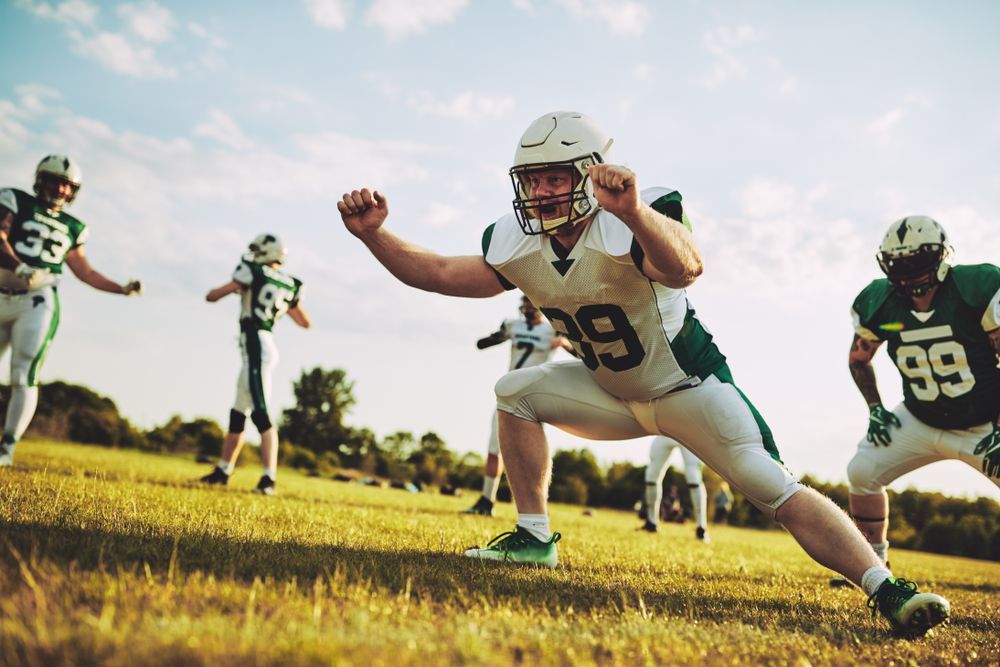
Protective equipment creates a barrier between the body and high-impact collisions. While no gear can eliminate the risk of injury in football, the right fit and proper use can significantly reduce it.
Helmets, shoulder pads, mouthguards, and padded girdles are standard for all players, but the effectiveness of each depends on how well it fits and how consistently it’s worn. A poorly fitted helmet may not absorb impact correctly. Shoulder pads that shift during contact can leave vulnerable areas exposed. Even small items like ankle braces or knee sleeves can help prevent strain when used appropriately.
Coaches and athletic staff should routinely inspect gear for signs of wear and educate players on how to adjust and maintain it. Replacing damaged or outdated equipment is part of a broader injury prevention strategy. When athletes feel confident in their gear, they’re more likely to play with focus and proper form.
Safe Tackling and Blocking Techniques
Technique matters just as much as strength or speed when it comes to preventing injury in football. Poor form during tackles or blocks often leads to avoidable injuries to the head, neck, shoulders, and knees.
Teaching players to keep their heads up, lead with their shoulders, and engage using controlled body mechanics helps reduce high-impact collisions. Leading with the helmet, commonly known as “spearing,” remains one of the leading causes of head and neck injuries and should be corrected immediately. Linemen and defensive players also benefit from learning how to absorb force without locking joints or overextending limbs.
Practice drills that reinforce safe habits, build muscle memory, and improve reaction time under pressure. Athletes who learn proper technique early tend to carry those habits through every level of play. Reducing risky movement patterns lowers the chance of injury and keeps players on the field longer.
Recovery and Rest: Avoiding Overuse Injuries
Football puts repeated stress on the body, and recovery is what allows athletes to stay strong throughout the season. Without enough rest between practices and games, soft tissues become more prone to strain, inflammation, and breakdown.
Overuse injuries such as tendonitis, stress reactions, and muscle strains often develop gradually. These injuries may begin with mild discomfort but can progress into more serious problems if ignored. Players who push through pain or skip recovery time increase their chances of being sidelined.
Rest days, sleep, hydration, and proper nutrition all help the body heal and perform at its best. Watching for signs like lingering soreness or reduced mobility can prevent minor issues from turning into lasting setbacks. A smart training plan includes time to recover so players can maintain their strength, speed, and endurance across the full season. Integrating therapies like
acupuncture may also help reduce inflammation and support long-term muscle health.
When to Seek Professional Help for Pain or Injury
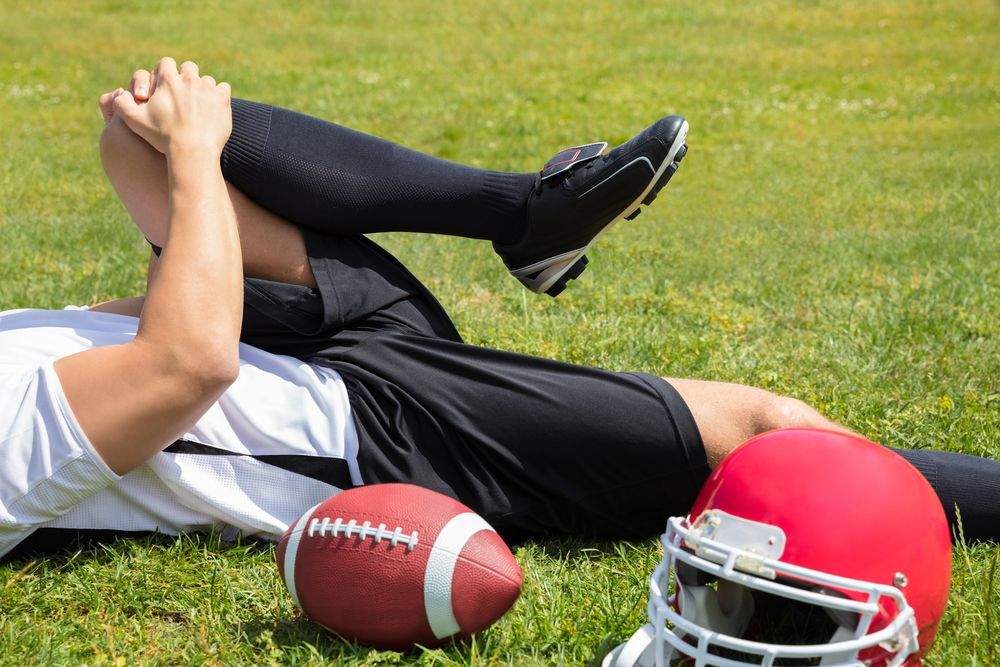
Not every injury improves with rest alone. Pain that lingers, movement that feels restricted, or soreness that returns after activity may signal a deeper issue. Continuing to play through these signs can delay healing and lead to more serious problems.
When discomfort begins to interfere with performance or daily activities, it’s time for a medical evaluation. Early intervention helps identify the source of the issue and creates a clear plan for recovery. Waiting too long increases the chance of reinjury and extends the time away from the field.
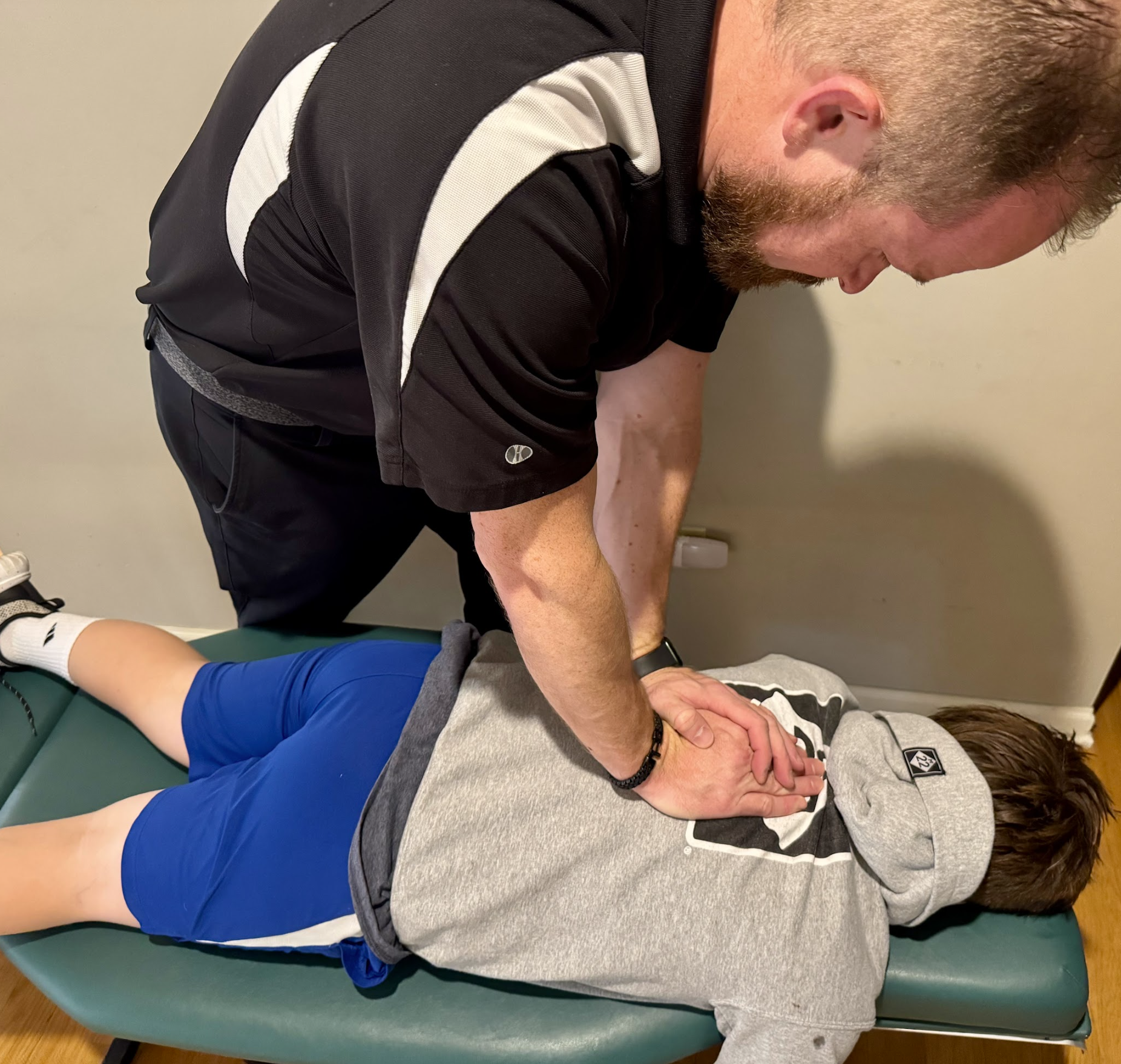
Advanced Physical Medicine of St. Charles provides focused care for athletes dealing with football-related injuries. Our experienced team offers personalized treatment plans built around your recovery goals. If pain or limited movement is affecting your game, schedule an appointment today and take the next step toward lasting recovery.

About Dr. Glenn
Board Certified Chiropractic Physician | Certified in Acupuncture
Born and raised in Oakland, Michigan, Dr. Glenn played competitive soccer for 12 years while being a 3 year varsity player and winning the Division 1 State Championship his senior year of high school. He attended Michigan State University, while earning his Bachelors of Science in human biology. He then attended National University of Health Sciences in Lombard, IL while earning a second Bachelors degree in human biology and his Doctorate in Chiropractic Medicine. He became certified in acupuncture through the post-graduate program at Lincoln College.
Connect with Us: