Share this article:
Groin injuries are a relatively common occurrence, particularly among athletes and active individuals who use their muscles on a regular basis. This type of muscle strain can be particularly painful, and without proper treatment, the injury can become more severe over time. By combining at-home care, such as groin tear exercises, with physical therapy treatment services, you can quickly and fully recover from your groin injury.
How Do Groin Injuries Occur?
Groin injuries, such as groin strains, occur when an individual inadvertently stretches muscles near the groin too far, causing them to tear or become damaged. While relatively common, these injuries can range from minor to severe, requiring individuals who are experiencing groin pain to seek care from qualified providers, such as physical therapists who treat a wide range of conditions.
The most common causes of groin injuries include:
- Participating in contact sports.
- Repeated movements that strain the same muscles over and over again.
- Forceful, direct contact with the groin, may occur during contact sports or as a result of a slip-and-fall accident.
Signs and Symptoms of Groin Pain
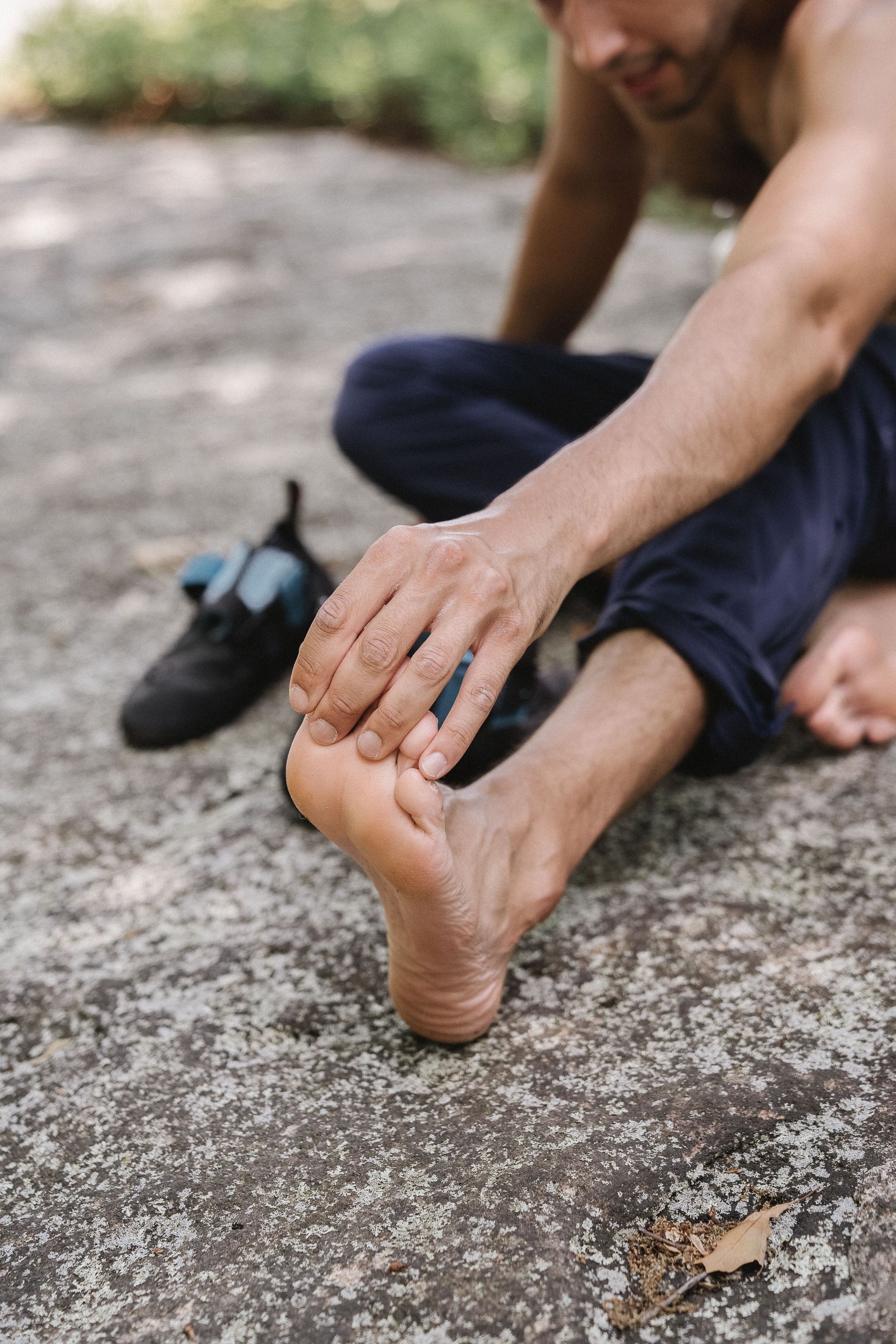
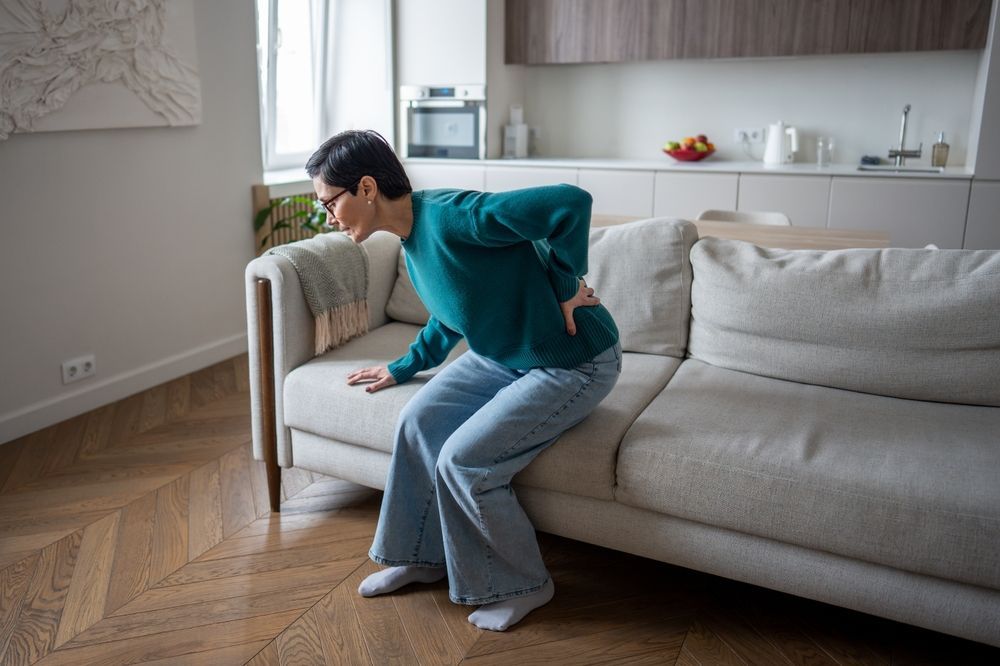
When you injure your groin, you will begin to notice signs and symptoms of the injury almost immediately. Most individuals who have experienced a groin strain report that they instantly felt a sharp pain in their groin area, and sometimes that pain would lead to ongoing muscle spasms.
The most common signs and symptoms of severe groin injuries include:
- Moderate-to-severe pain in the groin area.
- Limited mobility in your legs or hips.
- Weakness in the muscles around your groin, legs, or hips.
- Significant bruising near the injured area.
- Swelling near the groin.
- Ongoing muscle spasms.
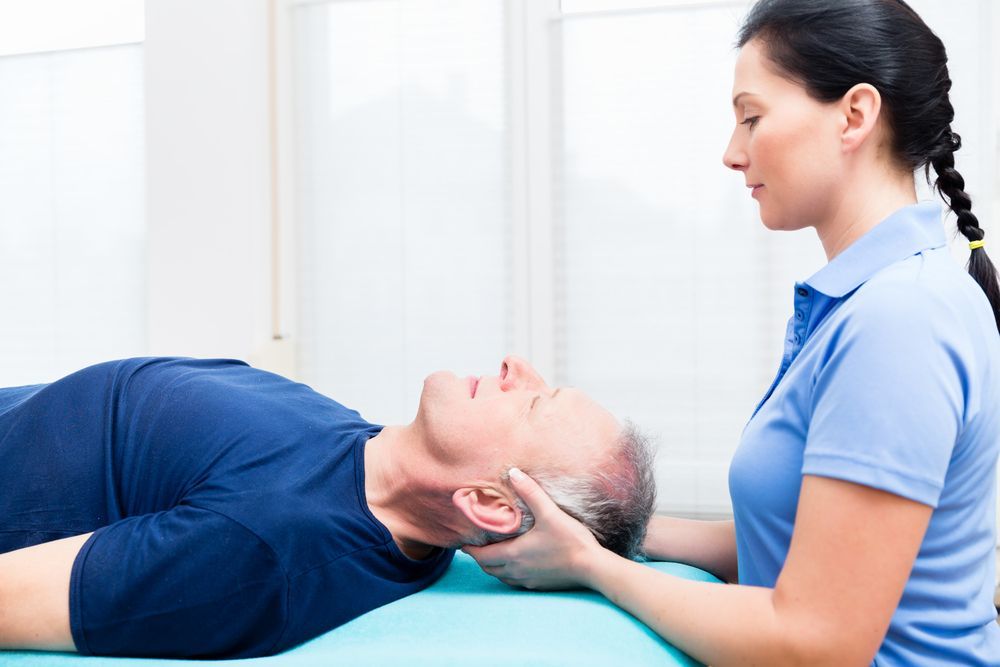
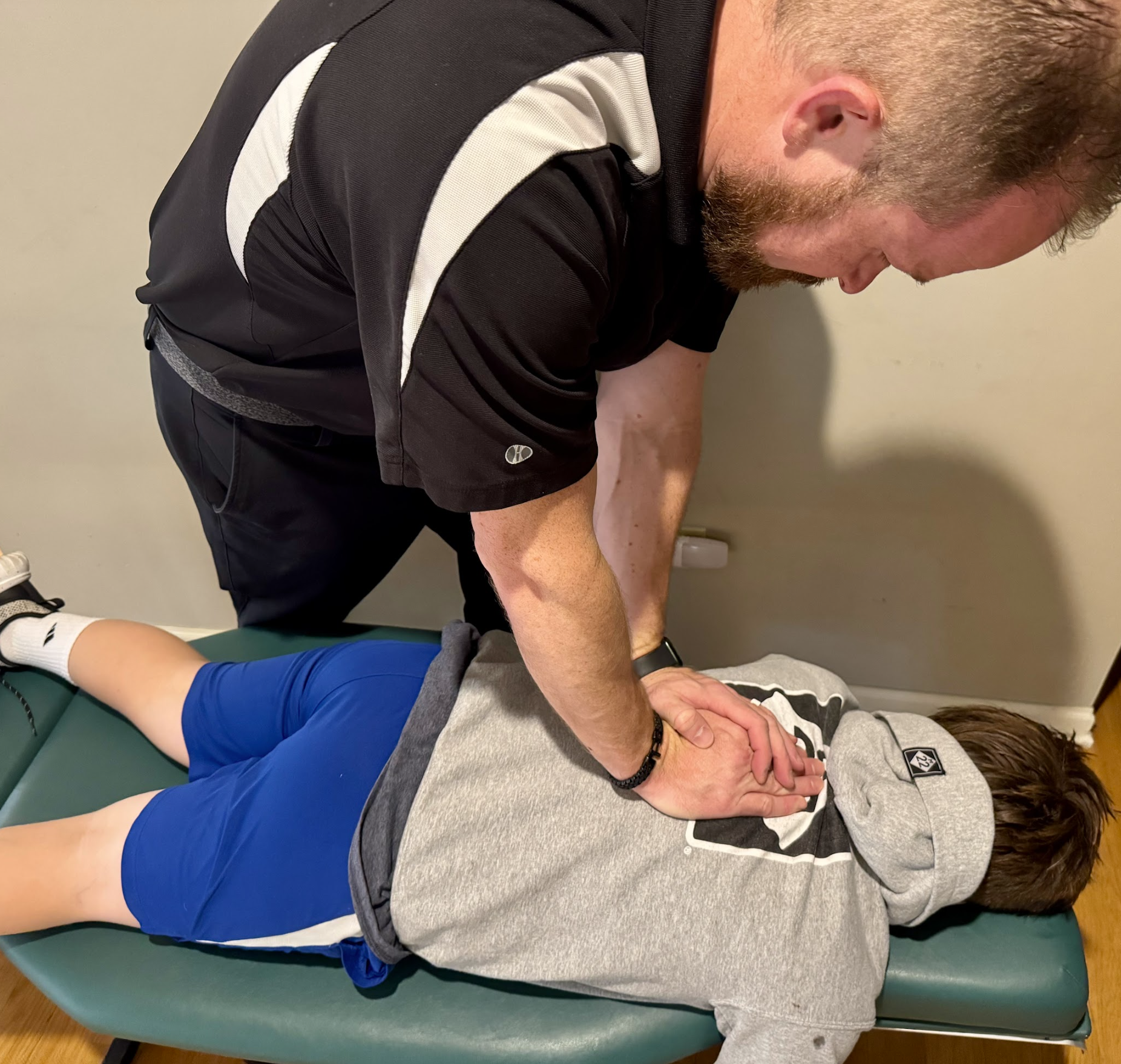
If you are experiencing groin pain, hip pain, or leg pain, you may want to see a physical therapist who specializes in comprehensive care. At Advanced Physical Medicine of St. Charles, we pride ourselves on our holistic approach to care, ensuring that all patients receive the personalized and attentive care that they need in order to live a pain-free life.
Grades of Groin Strains: Mild, Moderate and Severe
Not all groin strains are the same. Understanding which grade of injury you have help set realistic expectations for recovery and determines whether you need professional care. Here is how groin strains are typically classified:
| Grade | Symptoms | Recovery Time | Recommended Treatment |
|---|---|---|---|
| Grade 1 (Mild) | Mild discomfort, minor tightness, full range of motion preserved | 1 to 2 weeks | Rest, ice, gentle stretching, gradual return to activity |
| Grade 2 (Moderate) | Sharp pain, noticeable weakness, some bruising, limited mobility | 3 to 6 weeks | Physical therapy, guided rehab exercises, modified activity |
| Grade 3 (Severe) | Intense pain, significant bruising, inability to bear weight, possible complete muscle tear | 3 months or longer | Medical evaluation required, possible surgery, extended physical therapy |
If you are unsure which grade of strain you have, or your symptoms are not improving with rest, schedule an evaluation with a physical therapist. Proper diagnostic prevents a mild strain from becoming a chronic problem.
Best Exercises for Groin Tear Recovery
Many individuals who suffer from a groin tear find that they can expedite their recovery by relying on the leading groin tear exercises. It's important to work with a physical therapist to determine which groin tear exercises are right for you, as this is the best way to recover as quickly as possible without inadvertently injuring yourself further. However, once you and your physical therapist have identified the best groin tear exercises for you, you will likely be able to perform most of these at home.
These are a few of the leading groin tear exercises:
Hip Adductor Stretch
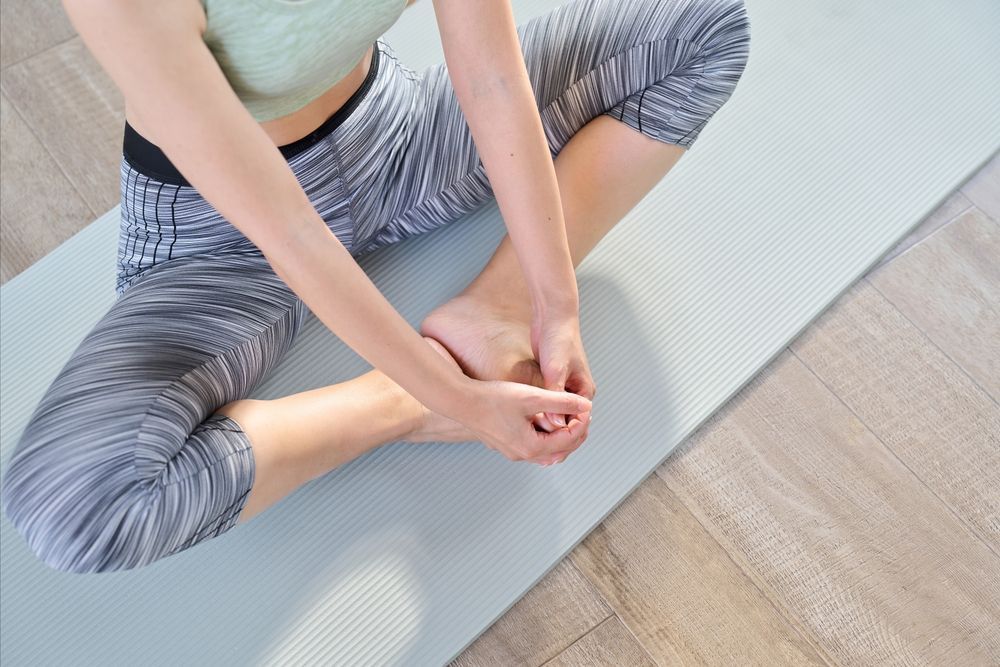
Described as one of the best dynamic exercises for groin tears, the hip adductor stretch can help strengthen your thigh muscles and naturally heal your groin tear. To perform the hip adductor stretch, you should lay on your back and keep your knees bent. Firmly press your feet onto the floor, and allow your knees to naturally fall to the side. It's important to move slowly for this stretch at first so that you do not cause significant pain or additional damage. Once your knees have dropped to your sides, turn your feet so that your soles are placed together. Hold this position for about 30 seconds, and then return to the original position. If this exercise feels comfortable and productive, repeat it at least three times.
Lateral Lunge
To improve the strength and mobility of your hips after a groin tear, you should complete the lateral lunge exercise. This is another excellent dynamic exercise to add to your warm-up routine. To perform this exercise, begin by standing with your feet slightly apart. Step to the side with one leg, and bend the opposite need while keeping your outstretched leg straight. Perform this stretching 10-15 times on one side, and then do the same amount of repetitions on the other side.
Static Leg Raise
In order to strengthen the muscles in your thigh and support healing in your groin, you can perform the static leg raise stretch. To begin, you will want to lie flat on the ground and stretch your legs out. Bend one knee — it is best to use the leg that has not been affected by the groin injury — and begin to raise the other leg while still extended. Just lift your leg about 8 inches off of the floor, and then return it to the starting position. Go slowly if you need to because of the pain, but continue this exercise for about 10-15 repetitions.
Side-Lying Hip Adduction Leg Lifts
Side-lying hip adduction leg lifts, which are sometimes referred to as leg lifts, are excellent exercises that will help you improve your overall range of motion after a groin tear. To perform this exercise, lie on your side and support your head with your arm. Lift your top leg, and cross it over your bottom leg, keeping your foot firmly on the floor. Then, begin to lift the bottom leg. Repeat the movement about 15 times, and then perform the full exercise on the other side.
Multi-Directional Band Strength
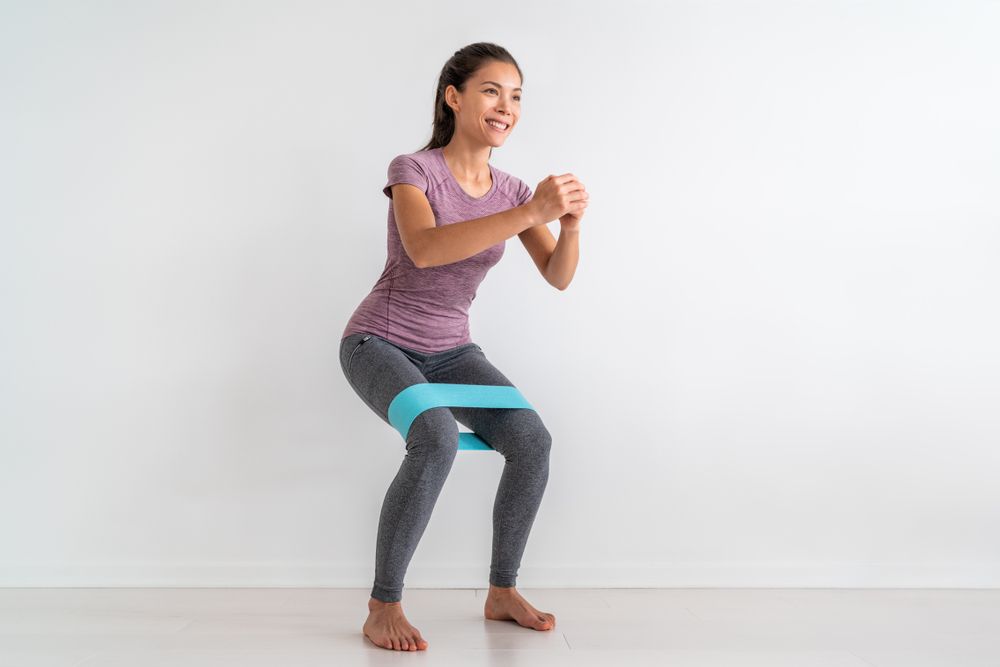
For this exercise, you will need an exercise band. Begin by anchoring the exercise band to a fixed object, and then wrapping the band around your ankle. Once the band is securely in place, slowly kick the banded leg forward. Repeat this motion for about 30 seconds, and then repeat on the other leg.
When to See a Medical Professional
If you find that your symptoms are persisting or that you are experiencing relentless, severe pain, then it may be time to see a medical professional. A physical therapist who specializes in comprehensive treatment, and who offers
workers' comp physical therapy for work-related injuries, will be able to properly diagnose your injury and provide you with the care that you need to recover as quickly as possible. Groin tears are especially common in young athletes playing soccer, hockey, and basketball, and
dedicated physical therapy for young athletes can shorten the recovery timeline while addressing the movement patterns that led to the injury.
Visit Us for Groin Pain Recovery Treatments
At Advanced Physical Medicine of St. Charles, we believe that no amount of pain is normal. Even if you are suffering from a minor groin injury, it's important to get the proper care that you need to fully heal and restore your mobility. We offer comprehensive physical therapy and sports rehabilitation treatment services, allowing you to receive personalized care as you work to overcome your groin injury and resume your normal activities once again.
Request an appointment today to learn more about your groin pain recovery treatment options.
Connect with Us: