Share this article:
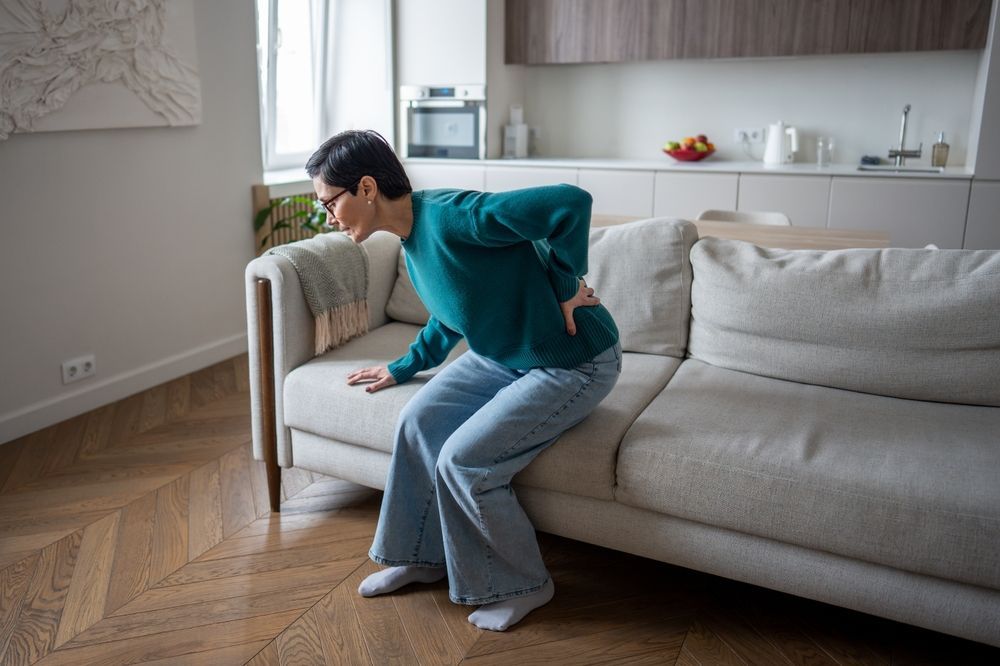
Lower back pain affects how you move, work, and rest. While it’s common, especially among adults with sedentary jobs or physically demanding routines, it doesn’t have to become a constant part of life. Gentle, targeted stretching can help reduce stiffness, improve mobility, and support the structures that stabilize your spine.
Knowing which stretches are effective and how to perform them safely can make a difference in your recovery and daily comfort.
How Stretching Can Reduce Pain and Stiffness
Lower back pain is often linked to tight or overactive muscles surrounding the spine and pelvis. When these muscles are restricted, they can pull the spine out of alignment or limit natural movement, creating more strain during everyday tasks. Stretching helps restore balance by lengthening shortened tissues and improving joint mobility.
Gentle, sustained stretching can also improve blood flow to the affected area. Increased circulation delivers oxygen and nutrients that support tissue repair and reduce inflammation. Over time, this helps decrease stiffness and promotes better movement patterns.
For individuals dealing with chronic lower back discomfort, stretching may also help reduce protective muscle guarding. This involuntary tension often develops when the body is trying to avoid pain but ends up limiting motion even further. Restoring flexibility can help break that cycle.
Stretching works best when paired with proper body mechanics, strength training, and professional guidance when needed.
Supine Twist: Gentle Rotation for the Spine
The supine twist targets the lower back and surrounding muscles through controlled spinal rotation. It helps release tension in the lumbar region and improves mobility through the mid and lower spine.
To perform this stretch, lie on your back with your knees bent and feet flat on the floor. Gently bring both knees toward your chest, then lower them to one side while keeping your shoulders flat. Hold the position for 20 to 30 seconds, then return to center and repeat on the other side.
This movement encourages relaxation through the lower back and hips. It also helps improve rotation in the spine, which is important for walking, reaching, and everyday movements.
Always move within a comfortable range. If the stretch causes discomfort, reduce the depth of the rotation or place a pillow under the knees for added support.
Seated Forward Fold to Ease Hamstring Tension
Tight hamstrings can increase strain on the lower back, especially during bending or lifting. The seated forward fold stretches the hamstrings and the muscles along the spine, helping to reduce tension that contributes to lower back discomfort.
Sit on the floor with both legs extended straight in front of you. Keep your spine tall and hinge forward from the hips, reaching toward your feet. Avoid rounding the back or forcing the stretch. Hold the position for 20 to 30 seconds while maintaining steady breathing.
Improving hamstring flexibility can ease pulling on the pelvis, which helps maintain a more neutral spinal position during movement. A rolled towel under the knees or a yoga strap around the feet may help maintain proper form.
Bridge Pose: Strengthen Core and Stabilizers
Weak glutes and deep core muscles can shift extra load onto the lower back during daily movement. Bridge pose helps activate these key muscle groups while promoting better control through the hips and spine.
Lie on your back with your knees bent and feet flat on the floor, hip-width apart. Press through your heels to lift your hips, forming a straight line from shoulders to knees. Keep the neck relaxed and avoid overextending the lower back. Hold the position for a few seconds, then lower slowly. Repeat 8 to 10 times.
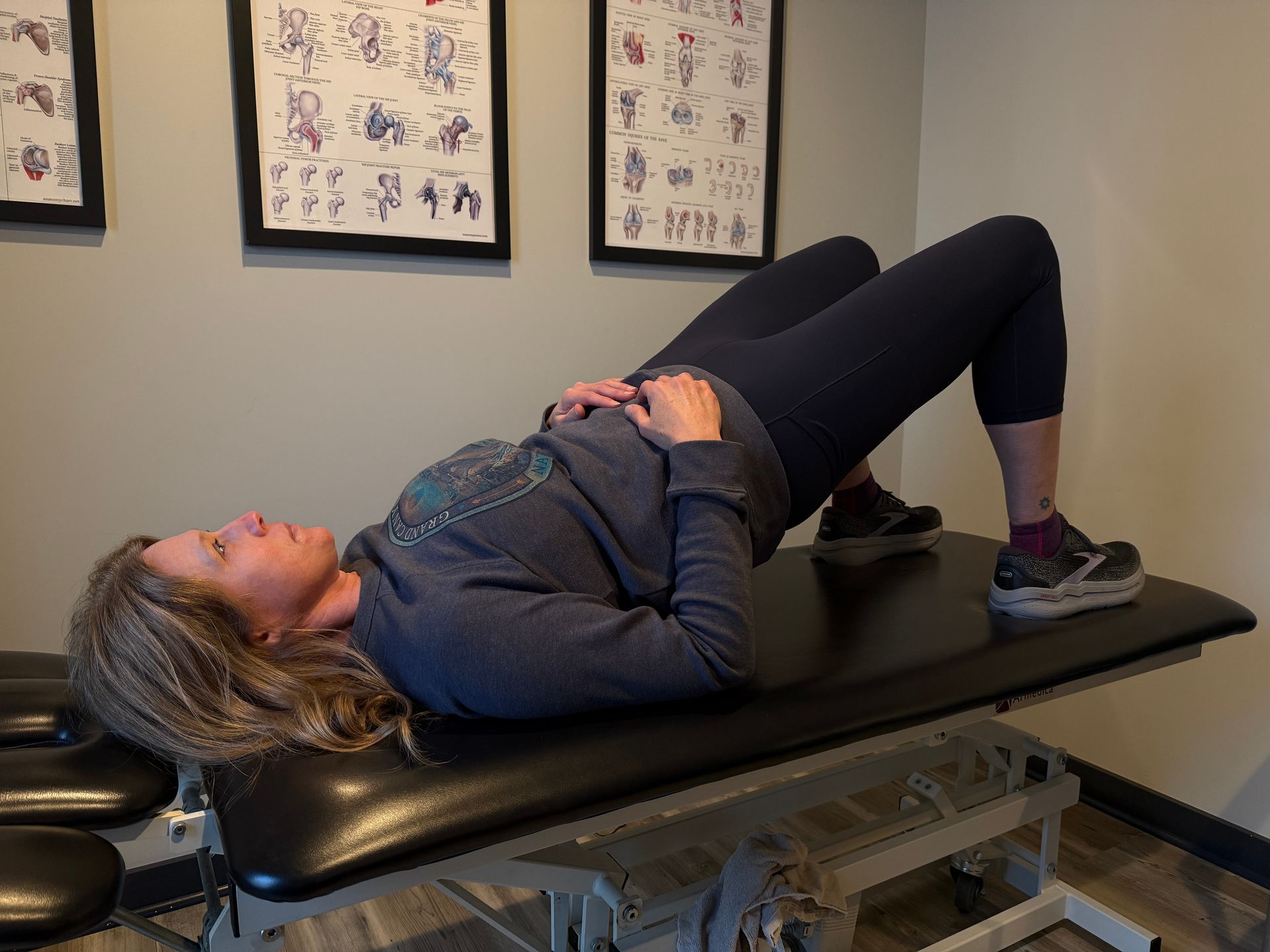
This movement builds strength in the glutes, hamstrings, and lower abdominals—muscles that help stabilize the pelvis and reduce pressure on the lumbar spine during walking, lifting, and transitional movements.
Cat-Cow Stretch to Improve Spinal Mobility
Stiffness in the spine can make everyday tasks feel limited or uncomfortable. The cat-cow stretch moves the spine through flexion and extension, helping to improve segmental motion and ease tension across the back.
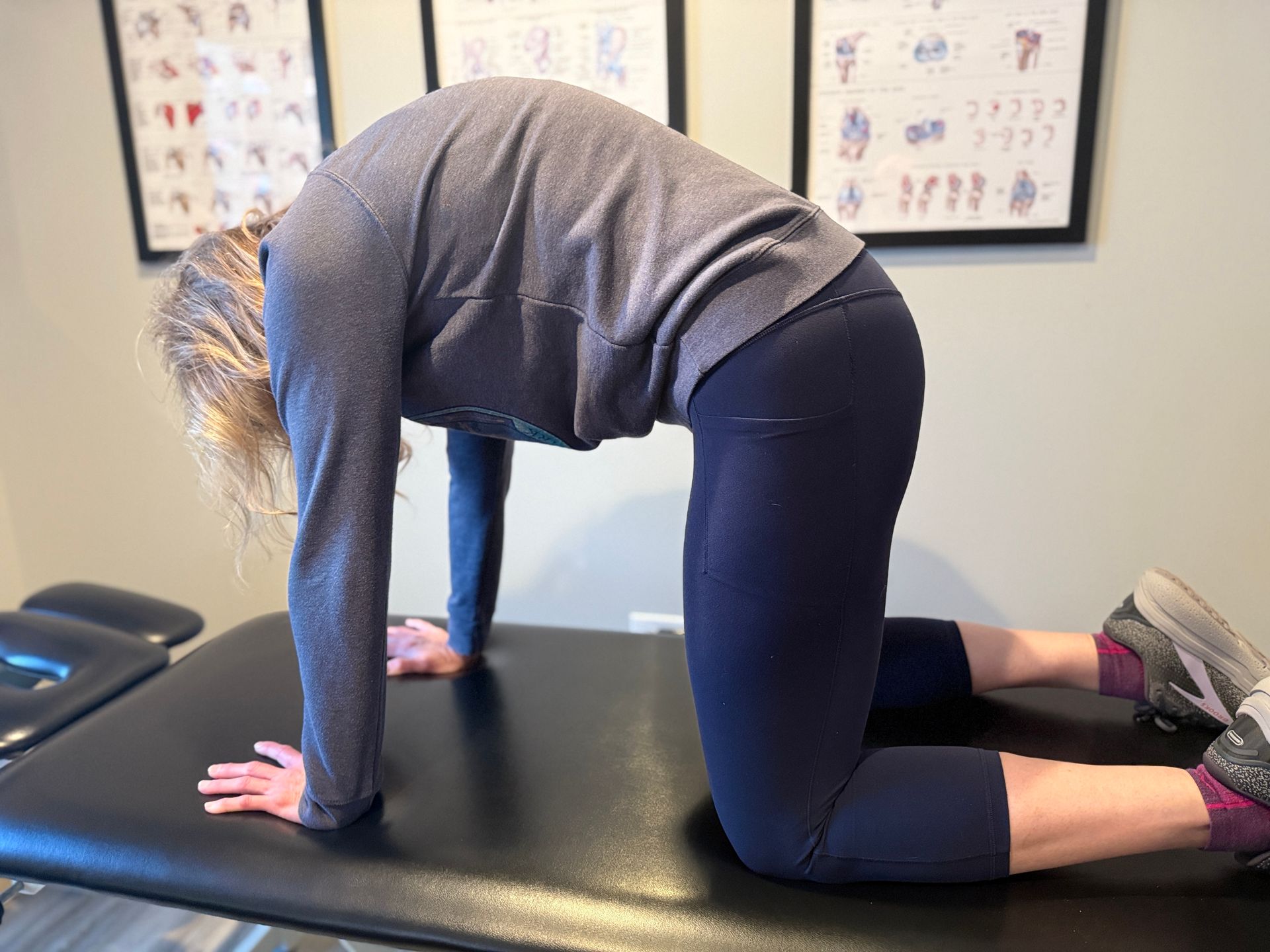
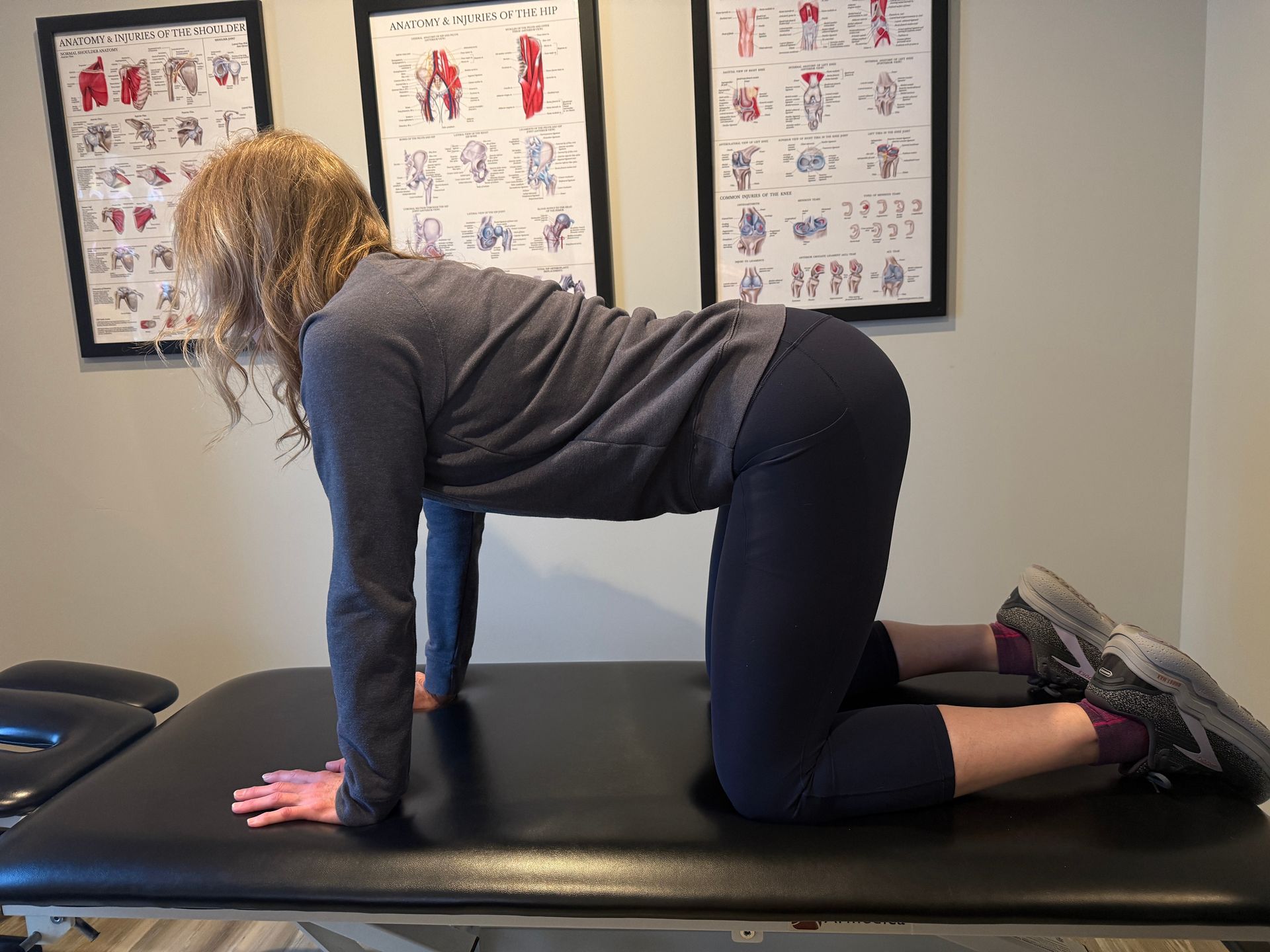
Begin on your hands and knees, with wrists under shoulders and knees under hips. Inhale as you arch your back, lifting your head and tailbone. Exhale as you round the spine, tucking the chin and drawing the pelvis under. Move slowly between these two positions for 30 to 60 seconds, focusing on control rather than speed.
This stretch helps coordinate breathing with movement, which can calm the nervous system and reduce muscle tightness through the back, shoulders, and neck.
Hip Flexor Release to Support Lower Back
Tight hip flexors can pull the pelvis forward, increasing pressure on the lower spine. Lengthening these muscles can improve posture and reduce stress on the lumbar region during walking, standing, and transitional movements.
To stretch the hip flexors, kneel on one knee with the other foot in front, forming a 90-degree angle. Shift your weight slightly forward until a stretch is felt at the front of the hip. Keep the torso upright and avoid arching the back. Hold for 20 to 30 seconds, then switch sides.
Improving flexibility in the front of the hips can help restore pelvic alignment and reduce compensatory tension in the lower back. For added control, place a cushion under the back knee.
When to Seek Professional Help for Back Pain
Lower back pain that doesn’t improve with stretching, rest, or self-care may involve more than muscle tightness. Ongoing discomfort, pain that spreads into the legs, or difficulty standing or walking could indicate a deeper issue. These symptoms may be related to joint restrictions, disc problems, or nerve irritation that require skilled evaluation and treatment.
Getting the right care early can improve outcomes and help you return to normal activity faster. A licensed provider can assess your movement, identify what’s contributing to your pain, and create a focused plan to restore function.
Find out how Advanced Physical Medicine of St. Charles can help you move better, feel stronger, and stay active without back pain. Call today to schedule your personalized evaluation.
About Dr. Dan
Physical Therapist
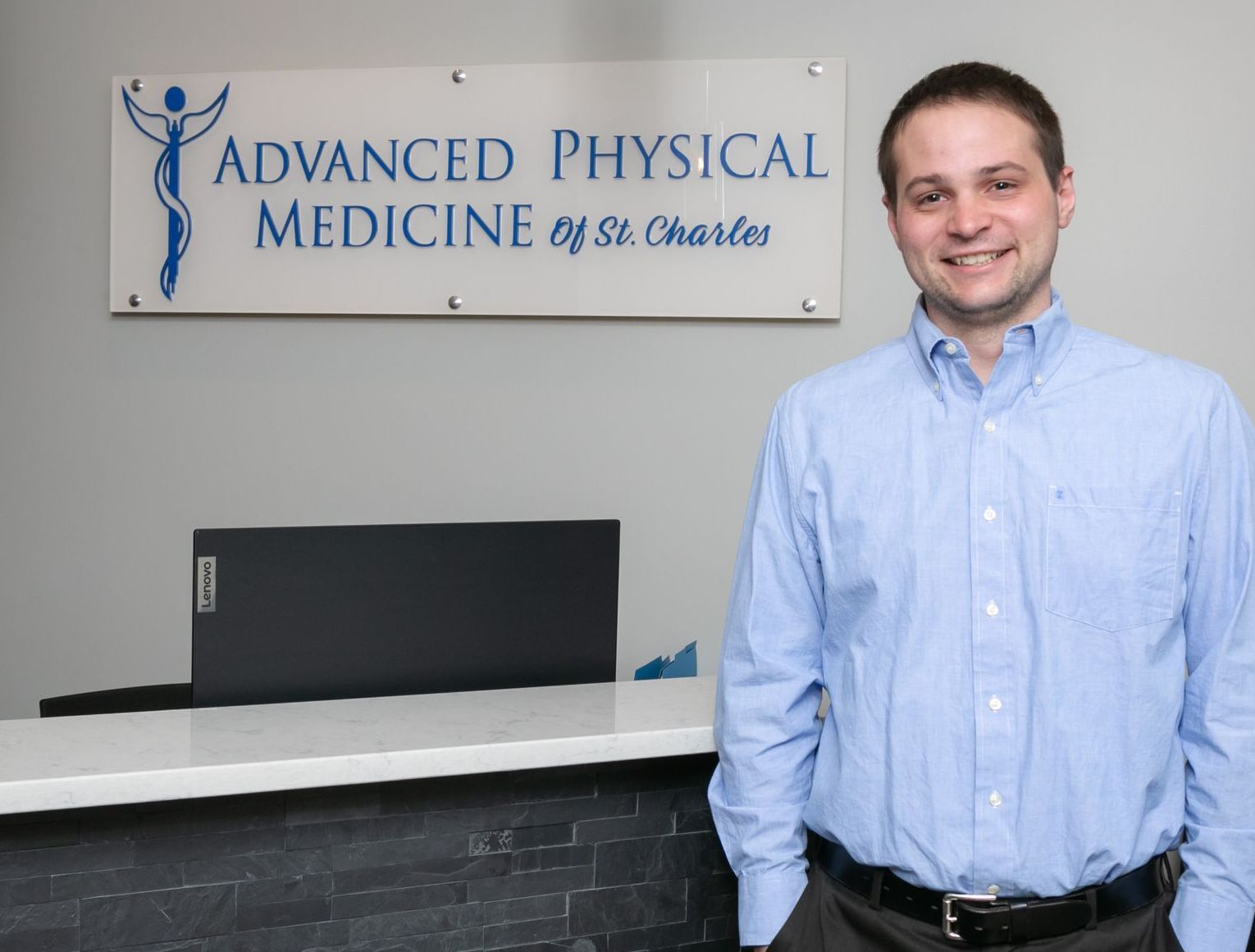
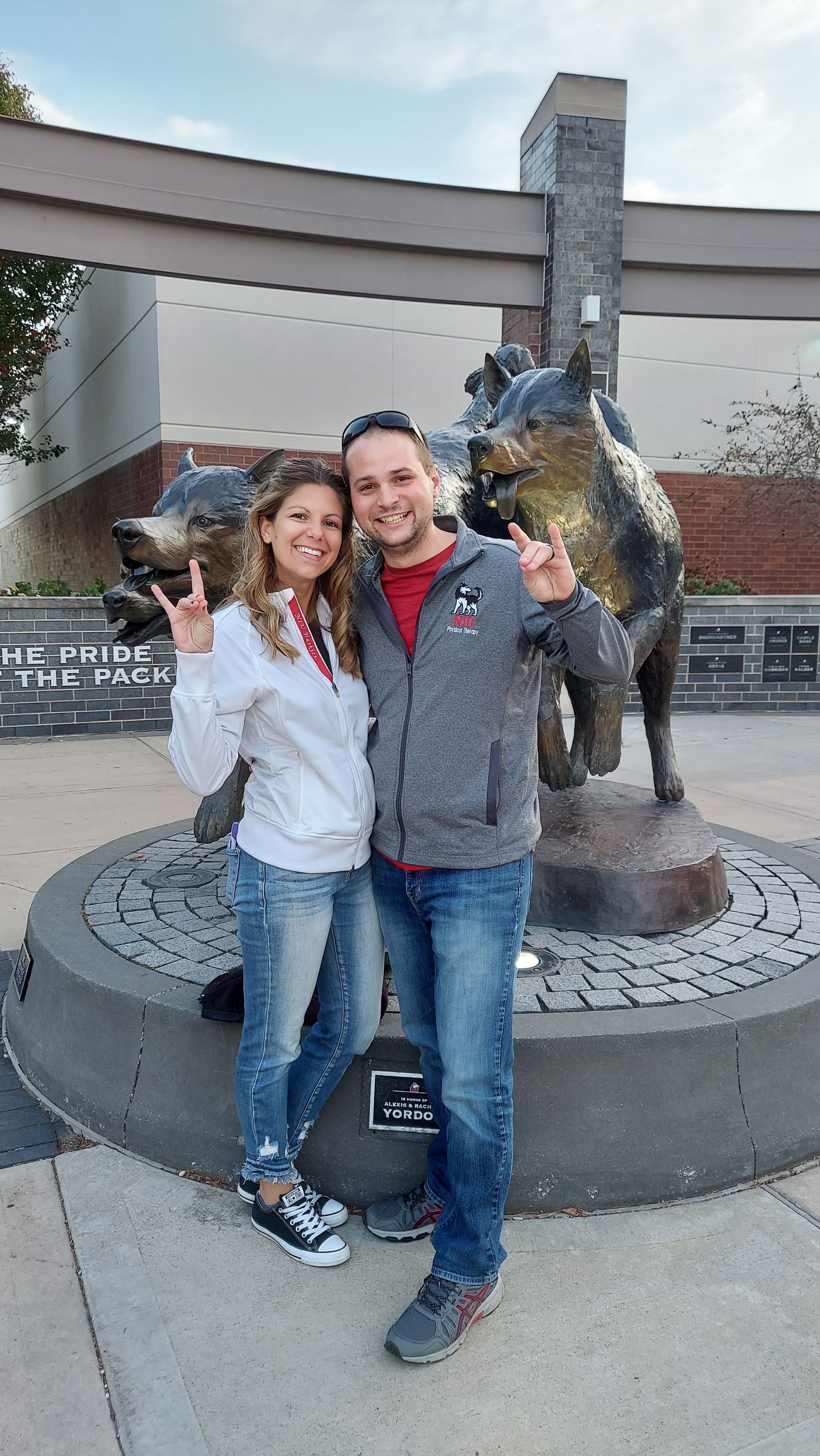
Born and raised in St. Charles, Illinois, Dr. Dan initially started with Advanced Physical Medicine as a physical therapy technician in 2014. Since that time, he has earned his Bachelors in Health and Human Sciences from Northern Illinois University prior to attending NIU’s physical therapy program. He earned his Doctorate in Physical Therapy in 2019. He has been a member of the American Physical Therapy Association (APTA) since 2016 and a member of the American Academy of Sports Physical Therapy (AASPT) since 2017.
Connect with Us: