Share this article:
Written by: Advanced Physical Medicine

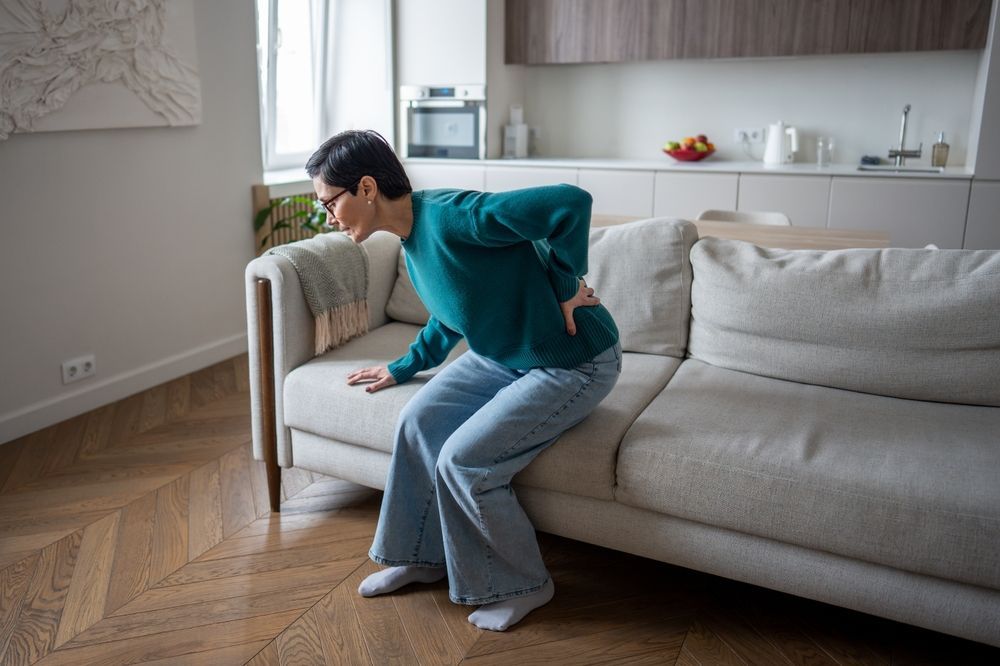
There's nothing minor about a fall — especially if you land on your back. Back injury from falls is quite common, and it's important to know what to look for and what treatment you should seek in the event of a fall.
At Advanced Physical Medicine of St. Charles, we offer both
back and spine services as well as
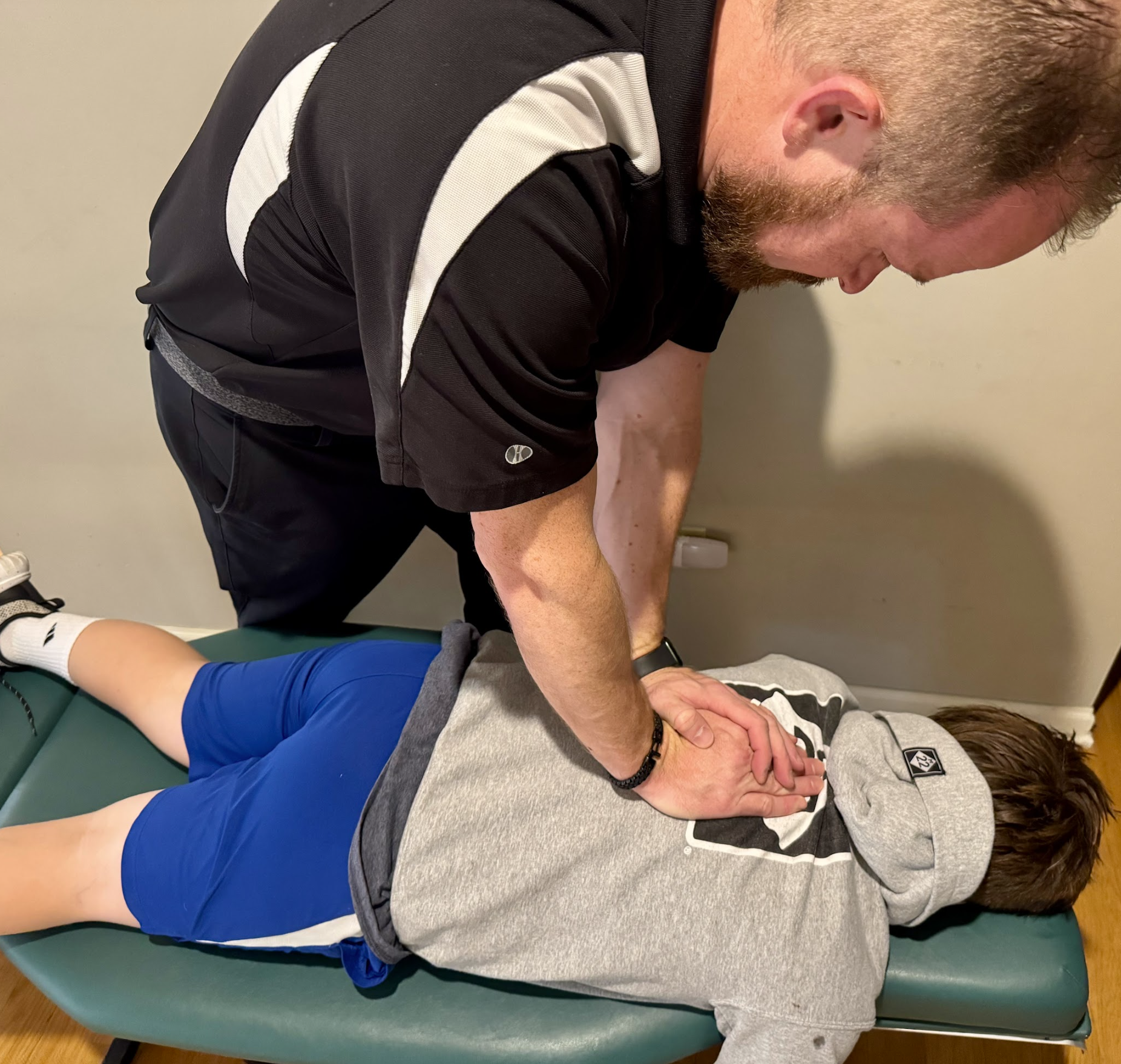
physical therapy services that will help you recover from any type of fall. We use a combination of physical therapy techniques and holistic treatment options in order to address the root cause of your pain, help you recover from your injury, and allow you to gain your full strength and mobility back again.
Symptoms to Look for After Falling on Your Back
Immediately after you fall on your back, you will want to quickly assess and evaluate your pain level before you attempt to move or stand up. If you are in uncontrollable pain, it's best to call for help or seek medical care immediately, rather than try to rest and recover at home.
If you can move and stand up on your own again, you will want to monitor for signs and symptoms in the coming days and weeks that could be a sign of a more serious injury.
Some symptoms to watch out for include:
- Increasing pain.
- Pain that develops in new or unexpected areas.
- A burning or pulsing sensation in your back.
- Radiating pain that seems to extend into other areas of your body, such as your arms or legs.
- Limited mobility.
- Numbness or a persistent tingling sensation.
If you experience any of these signs or symptoms in the days immediately following your fall, you will want to seek medical care as soon as possible.
5 Most Common Back Injuries
Your risk of back injury from a fall may vary based on the circumstances of the fall, your personal health history, and your general well-being. However, these are the five most common back injuries sustained after falls:
1. Sprains and Strains
Back sprains and strains are some of the most common back injuries after a fall, though arguably, they are also the easiest to treat. According to the Cleveland Clinic, a back sprain occurs when a ligament in the back is stretched or torn, and a back strain occurs when a muscle or tendon in the back is injured. Massage therapy or physical therapy can be used to treat back sprains and strains.
2. Herniated Disc
Defined as a condition in which the nucleus of the spinal disc protrudes into the spinal canal, herniated discs are common after a fall on your back. While herniated discs can occur anywhere on the spine, the Mayo Clinic notes that they most often occur in the lower back. Generally, surgery is not needed to repair a herniated disc, but physical therapy or massage therapy may be able to help reduce the pain and discomfort associated with a herniated disc. If the herniation is significant enough, a discectomy surgery may be required.
3. Fractured Vertebrae
One of the more severe back injuries that can occur after a fall is fractured vertebrae. Sometimes referred to as a broken back, the treatment may vary based on the severity of the injury. In many cases, an injured person can wear a brace for several months while they heal and then rely on physical therapy to restore their mobility. In some severe cases, surgery may be required to repair the spine. Recovery can range from several weeks to several months depending on the severity of the fracture and whether surgery is needed.
4. Soft Tissue Damage
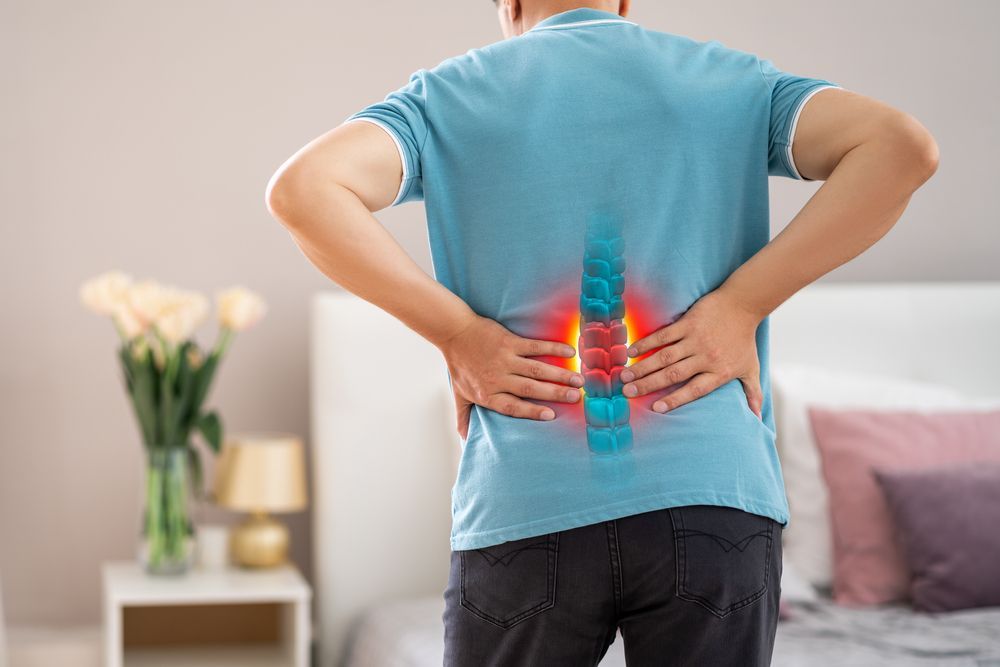
When soft tissue damage occurs in the back after a fall, you may experience sharp or persistent pain at the injury site. Soft tissue damage can be more complex to treat, and you may want to explore your options with a provider who is willing to create a personalized treatment plan. Some patients have found that acupuncture is one of the best ways to quickly alleviate the pain caused by soft tissue damage in the back after a fall.
5. Whiplash
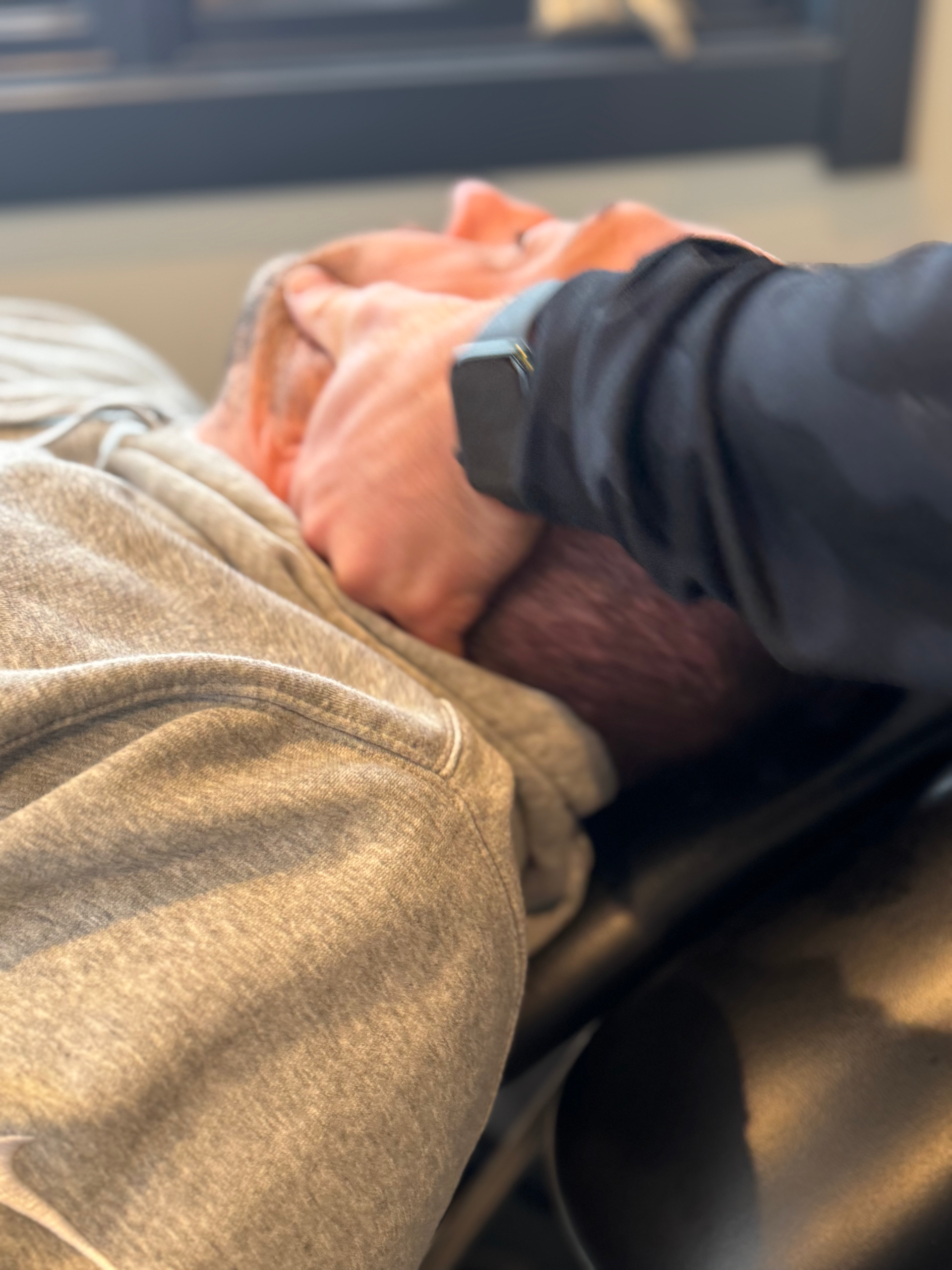
Defined by the Mayo Clinic as a neck injury, whiplash can occur after a serious or traumatic fall.
Whiplash is often the result of a forceful fall, and can result in significant pain in the neck and back. Physical therapy and massage therapy can help reduce your pain, improve strength, and improve mobility after a fall. Most patients see meaningful improvement within a few weeks, though some cases take longer to fully resolve.
When to Seek Medical Attention
You should seek medical attention after a fall if:
- Your pain worsens over time.
- The swelling is becoming significantly worse.
- You feel that your mobility is limited.
- You are feeling dizzy or lightheaded.
- You feel out of sorts or confused.
Knowing what treatment options are available to you and how you can make the most out of your physical therapy treatment can help you select the right provider after sustaining an injury after a fall.
At-Home Recovery Methods
If you do not need emergency medical care, you may find that these at-home recovery methods help you feel more comfortable after a back injury from a fall:
- In the first 48 to 72 hours, apply ice packs for 15 to 20 minutes at a time to reduce swelling and inflammation. After the initial 48 to 72 hours, switch to heat to ease tightness and promote blood flow.
- Rest in a supportive position that alleviates your pain, but avoid complete bed rest. Staying fully immobile for extended periods can increase stiffness and slow your recovery. Gentle movement as tolerated is encouraged.
- Limit physical activity and avoid heavy lifting or twisting movements for at least the first few weeks following your injury.
- Take an over-the-counter pain reliever like acetaminophen or ibuprofen as directed if needed to manage discomfort.
If your symptoms are not improving within a few days of home treatment, that is a clear sign to seek professional care. Untreated back injuries can develop into chronic pain that affects your quality of life for months or years.
Tips for Preventing Back Injuries
While back pain may be common during certain periods of life, such as during pregnancy, you will find that these tips will help you prevent serious back injuries in the future:

- Maintain a proper posture, particularly when working at your desk.
- Maintain a healthy weight to avoid putting too much strain on your back.
- Include strength exercises into your workout regimen to keep your muscles healthy.
- Maintain mobility and flexibility in your spine with stretching and activities like yoga.
Frequently Asked Questions
How long does back pain last after a fall?
It depends on the type and severity of the injury. Minor sprains and strains often resolve within a few days to six weeks with rest and conservative care. More serious injuries like herniated discs or fractured vertebrae can take several months to fully heal and typically require professional treatment to achieve the best outcome.
Should I go to the ER after falling on my back?
If you are in severe or uncontrollable pain, cannot move, feel numbness or weakness in your legs, or experience any changes in bladder or bowel function, call for emergency help immediately. These are signs of a potentially serious spinal injury. If your pain is manageable and you are able to move, you can monitor symptoms at home initially, but seek medical evaluation promptly if symptoms worsen or do not improve within a few days.
Can a fall cause a herniated disc?
Yes. A fall puts sudden and significant force on the spine, which can cause the soft tissue between vertebrae to rupture or bulge into the spinal canal. Herniated discs from falls most commonly occur in the lower back and can cause pain, numbness, or weakness that radiates into the legs. Physical therapy is one of the most effective non-surgical treatments for a fall-related herniated disc.
How do I know if I fractured my back from a fall
Signs of a fractured vertebra include sharp back pain that worsens with movement, swelling or bruising along the spine, numbness or tingling in the arms or legs, and difficulty standing upright. Loss of bladder or bowel control or leg weakness are medical emergencies. Because a fracture can mimic a sprain or herniated disc, an X-ray or MRI is usually needed to confirm it.
Let Advanced Physical Medicine Get You Back on Track!
Recovering from a back injury due to a fall can be an arduous process — one that is both physically challenging and emotionally overwhelming. At Advanced Physical Medicine, we can design a customized treatment plan that will eliminate your pain and allow you to enjoy a limitless life once again.
Get back on track with Advanced Physical Medicine of St. Charles, and request an appointment today.
Connect with Us: