Share this article:
Back pain can disrupt daily routines, limit mobility, and reduce overall comfort. Many people turn to simple activities in hopes of finding relief, and walking often feels like a natural place to start. It requires no equipment, places minimal stress on the joints, and fits easily into most schedules. For some individuals, walking leads to reduced stiffness and improved movement. For others, symptoms may stay the same or increase.
The effects of walking depend on the source of the pain, current physical condition, and walking habits. Muscle tension, joint irritation, disc problems, and nerve involvement each respond differently to movement. Understanding how walking influences the spine and surrounding tissues helps determine when it supports recovery and when additional care becomes necessary.
How Walking Can Help Reduce Back Pain Symptoms
Walking promotes gentle movement through the hips, lower back, and legs, which can help reduce stiffness linked to prolonged sitting or limited activity. For some individuals, steady motion allows tight muscles to relax and improves the range of motion throughout the spine.
During walking, postural and core muscles remain active at a low intensity. Their engagement influences how the body manages everyday forces placed on the back during standing, lifting, and transitions between positions. Improved muscle coordination can lessen the feeling of strain that contributes to pain during routine tasks.
Walking encourages a consistent pace of movement rather than sudden or jarring motions. That quality makes it a practical option for people dealing with mild to moderate back discomfort who want to remain active without placing excessive stress on spinal structures.
For those whose pain is linked to muscle tension or reduced mobility, walking helps maintain physical conditioning during recovery. Staying active through controlled movement may offer stability and support compared to extended rest, which can lead to stiffness and reduced tolerance for activity.

The Impact of Walking on Spine Health and Support
Walking places the spine in an upright position that encourages balanced movement through the hips and pelvis. This alignment allows spinal joints to move through a natural range while body weight is distributed more evenly through the vertebrae. When posture remains steady, the back experiences fewer abrupt or uneven forces during movement.
Regular walking helps maintain flexibility in muscles surrounding the spine, including the lower back, glutes, and hamstrings. Tightness in these areas can change how the spine moves and contribute to discomfort during daily activities. Gentle, repetitive motion helps keep these tissues mobile, which may improve comfort during bending, standing, and transitioning between positions.
Each step taken during walking requires controlled weight transfer and subtle spinal rotation. This pattern encourages coordinated movement between the spine and lower extremities. Improved coordination can decrease the unnecessary strain placed on spinal joints during routine tasks.
Walking mechanics influence how the spine responds over time. Factors such as posture, footwear, pace, and walking surface all play a role. Poor habits or prolonged walking without rest may increase irritation, while mindful movement can lead to more favorable outcomes for spinal health.
Benefits of Walking for Chronic and Acute Back Pain
Walking affects chronic and acute back pain in different ways. Understanding these differences helps set realistic expectations and reduces the risk of aggravating symptoms.
Chronic Back Pain
For individuals dealing with long-standing back pain, walking can help maintain daily movement without placing excessive stress on the spine. Chronic pain is frequently linked to stiffness, reduced mobility, and muscle deconditioning. Gentle walking may help keep joints moving and muscles active, which can improve tolerance for everyday activity over time. Some people report improved confidence in movement, which plays a role in staying active and avoiding prolonged inactivity.
Walking may also help establish routine physical activity for those who have avoided exercise due to fear of pain. A consistent walking schedule can create predictable movement patterns that feel manageable for individuals coping with persistent discomfort.
Acute Back Pain
Acute back pain often develops after strain, overuse, or sudden movement. In these cases, walking may help prevent stiffness that develops from excessive rest. Short, controlled walks can allow the body to move without sharp bending or twisting that might irritate injured tissues.
That said, walking during an acute pain phase requires caution. Increased pain, altered walking patterns, or discomfort that radiates into the legs may signal that walking is not appropriate at that time. Adjusting distance, pace, or frequency becomes important during early recovery.
Situations Where Walking May Increase Back Pain
Walking can worsen back pain when symptoms stem from nerve irritation or structural conditions. Pain that increases during walking, especially over short distances, may signal that the spine is not tolerating upright movement well.
Disc-related issues may cause sharp pain, numbness, or
tingling that travels into the hips or legs during walking. These symptoms suggest nerve involvement and should not be pushed through. Spinal stenosis can also cause discomfort during walking, often described as pressure or heaviness in the lower back or legs that builds the longer the activity continues.
Walking mechanics play a role as well. Poor footwear, uneven surfaces, overstriding, or fatigue can place added stress on the lower back and alter movement patterns. When pain intensifies during or after walking, activity levels may need adjustment to avoid further irritation.
Recommended Walking Guidelines for Back Pain Relief
Walking for back pain relief works best when approached with intention and moderation. The goal focuses on comfortable movement rather than distance or speed.
Start gradually:
Short walks allow the body to adapt without provoking symptoms. Increasing time or distance too quickly can irritate sensitive tissues.
Maintain upright posture:
A neutral spine position helps distribute forces evenly through the back and hips. Avoid excessive forward leaning or arching.
Choose even surfaces:
Flat, stable ground reduces unnecessary strain caused by uneven terrain or frequent changes in stride.
Wear appropriate footwear:
Shoes that provide cushioning and stability help limit excess impact through the spine and lower extremities.
Pay attention to symptoms:
Mild muscle fatigue may be acceptable, but sharp pain, leg symptoms, or worsening discomfort signal the need to stop or modify activity.
Allow rest between walks:
Recovery time helps prevent overuse and allows irritated tissues to settle before the next session.
When Back Pain Requires Professional Medical Care
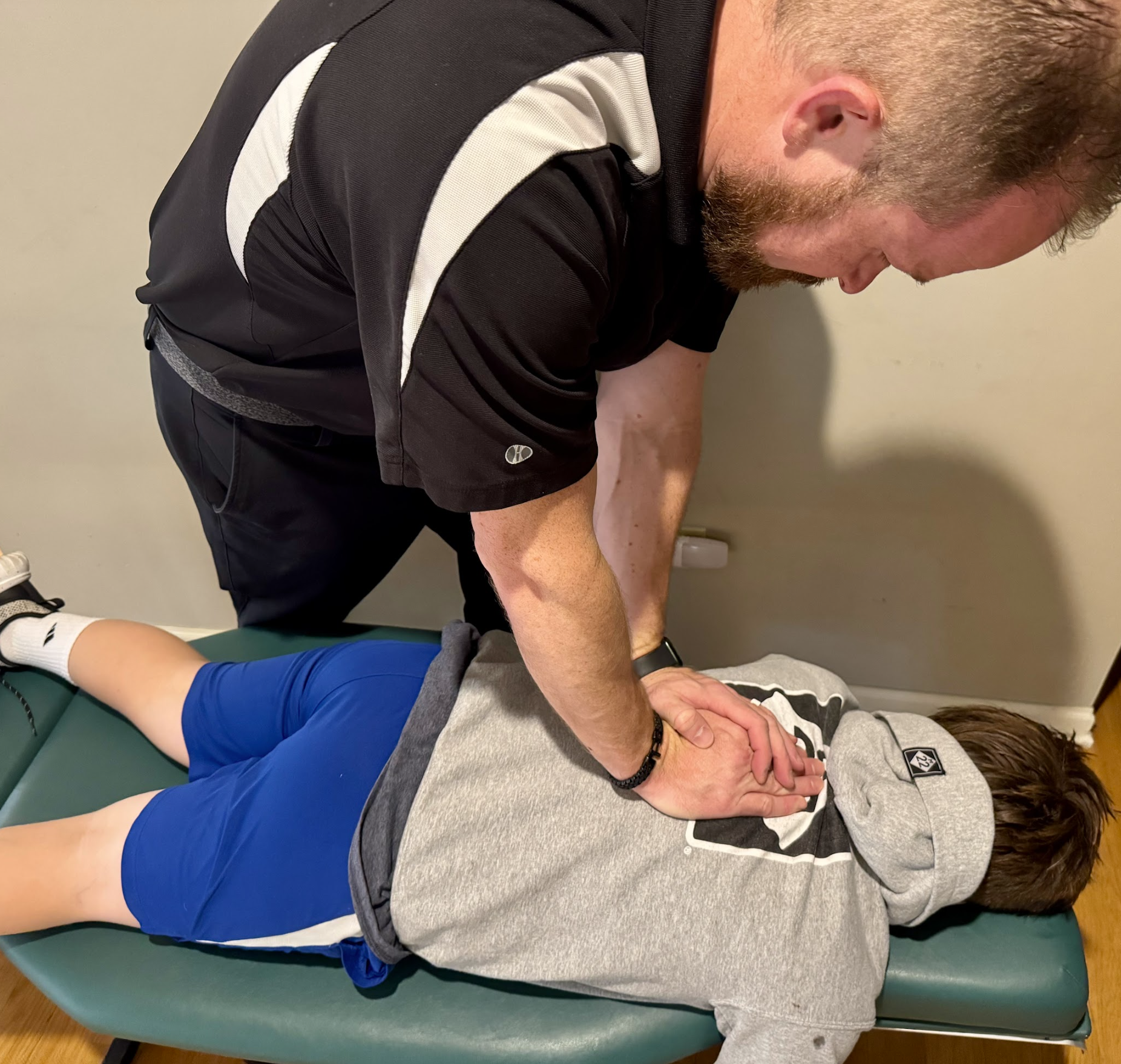
Walking can play a helpful role in managing back pain, but it does not address every cause. When discomfort persists, limits daily activity, or worsens despite staying active, a deeper evaluation becomes necessary. Symptoms such as pain extending into the legs, numbness, weakness, or difficulty maintaining normal movement point to issues that walking alone cannot resolve.
Advanced Physical Medicine of St. Charles provides individualized
physical therapy and chiropractic care focused on identifying the source of pain and restoring efficient movement. Care is designed to address the factors contributing to discomfort and support long-term improvement.
Experience the difference at Advanced Physical Medicine of St. Charles. Schedule an appointment today and take the next step toward lasting back pain relief.

About Dr. Glenn
Board Certified Chiropractic Physician | Certified in Acupuncture
Born and raised in Oakland, Michigan, Dr. Glenn played competitive soccer for 12 years while being a 3 year varsity player and winning the Division 1 State Championship his senior year of high school. He attended Michigan State University, while earning his Bachelors of Science in human biology. He then attended National University of Health Sciences in Lombard, IL while earning a second Bachelors degree in human biology and his Doctorate in Chiropractic Medicine. He became certified in acupuncture through the post-graduate program at Lincoln College.
Connect with Us: