Share this article:
How Neck Tension Triggers Headaches
Neck tension can trigger headaches when tight or strained muscles place pressure on nearby nerves and joints. This often causes pain that begins in the neck or base of the skull before spreading into the head.
Neck tension and headaches are commonly connected to poor posture, stress, repetitive movements, and long periods of sitting. Many people experience aching or pressure around the temples, forehead, or behind the eyes as muscle tightness increases.
When neck muscles remain tight for extended periods, they can also limit movement in the cervical spine and create additional strain throughout the upper body. Over time, this cycle may lead to recurring headaches and chronic stiffness.
Signs Your Neck Causes Your Head Pain
Headaches caused by neck tension typically include stiffness, soreness, or limited movement in the neck and shoulders. Many people notice pain starts at the base of the skull and moves upward into the head.
Other common signs include headaches that worsen after sitting at a desk, looking down at a phone, or sleeping in an uncomfortable position. Some patients also experience tenderness in the upper shoulders, jaw tension, or pain that increases with certain neck movements.
Unlike
migraines, neck-related headaches are usually connected to posture and muscle strain rather than neurological symptoms. Identifying these patterns can help determine if the cervical spine and surrounding muscles are contributing to ongoing head pain.
Daily Habits That Worsen Neck Pain
Several everyday habits can increase muscle tension in the neck and contribute to recurring headaches. Poor posture, extended screen time, inadequate sleep support, and stress-related tension all place added strain on the cervical spine and surrounding muscles.
Over time, these repetitive habits can lead to stiffness, reduced mobility, and ongoing discomfort that affects both the neck and head.
Poor Posture During Desk Work
Slouching at a desk places extra stress on the neck, shoulders, and upper back. Over time,
poor posture can tighten muscles and increase pressure on the cervical spine, leading to neck pain and headaches.
Extended Screen Time and Tech Neck
Looking down at phones, tablets, and laptops for long periods can strain the muscles that support the head and neck. This forward head posture, commonly called “tech neck,” is a major contributor to neck tension and headaches.
Sleeping Without Proper Neck Support
Sleeping with too little support or using the wrong pillow can place the neck in an awkward position for hours at a time. This may cause stiffness, muscle tightness, and headaches that begin in the morning.
Stress and Jaw Clenching Throughout the Day
Stress commonly causes people to tighten their neck, shoulder, and jaw muscles without realizing it. Jaw clenching and muscle tension throughout the day can increase strain in the upper body and contribute to recurring head pain.
Treatments That Relieve Neck Tension Fast
Treating neck tension and headaches starts with reducing muscle strain, improving mobility, and correcting the underlying cause of discomfort. Physical therapy, chiropractic care, soft tissue therapy, and corrective exercises can all help relieve tension while improving long-term function and reducing recurring pain.
Physical Therapy for Muscle Tension Relief
Physical therapy helps reduce neck tension by improving mobility, stretching tight muscles, and strengthening weak areas that contribute to poor posture. Targeted treatment can decrease strain on the cervical spine and reduce headache frequency.
Chiropractic Care for Neck Alignment
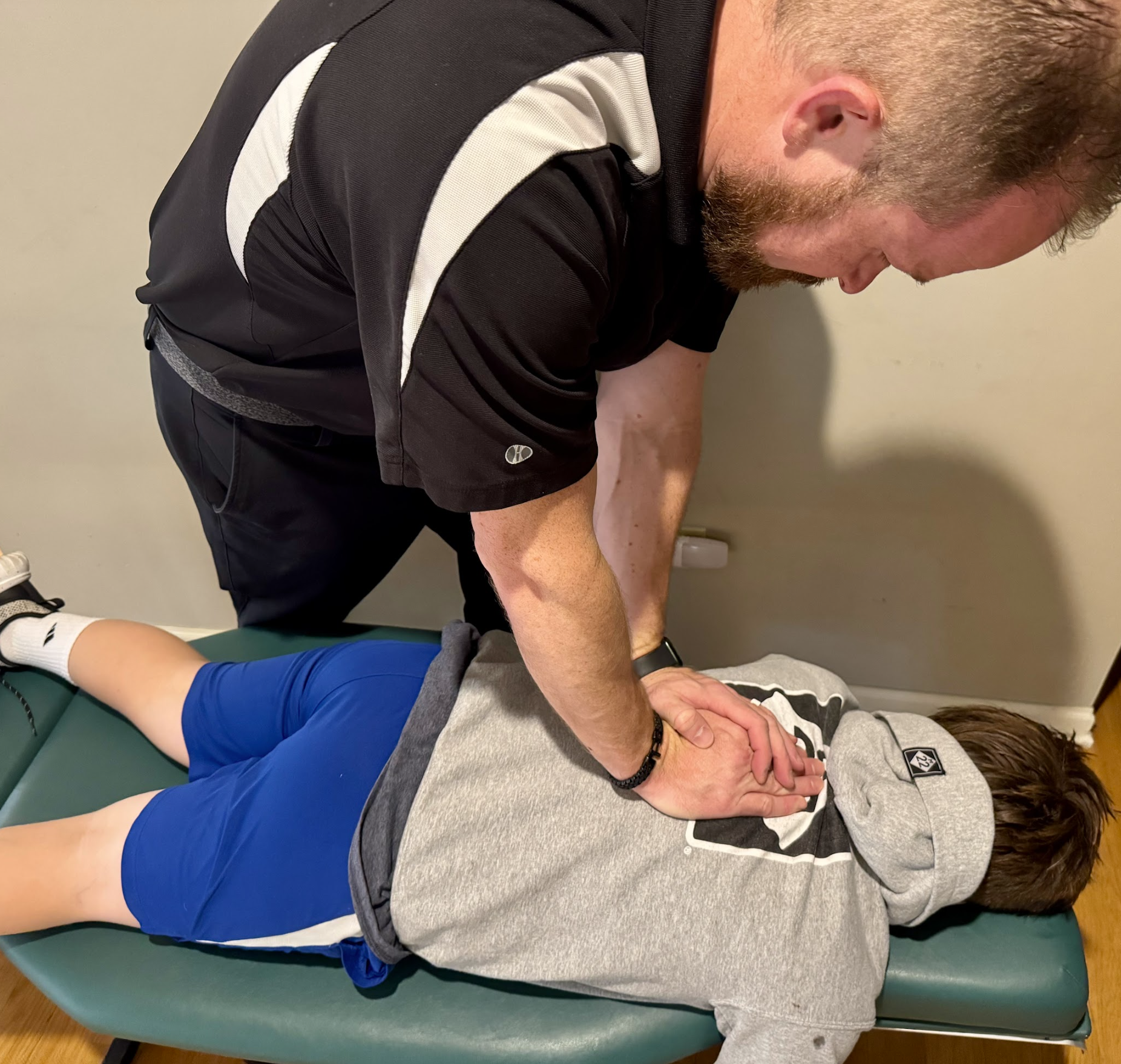
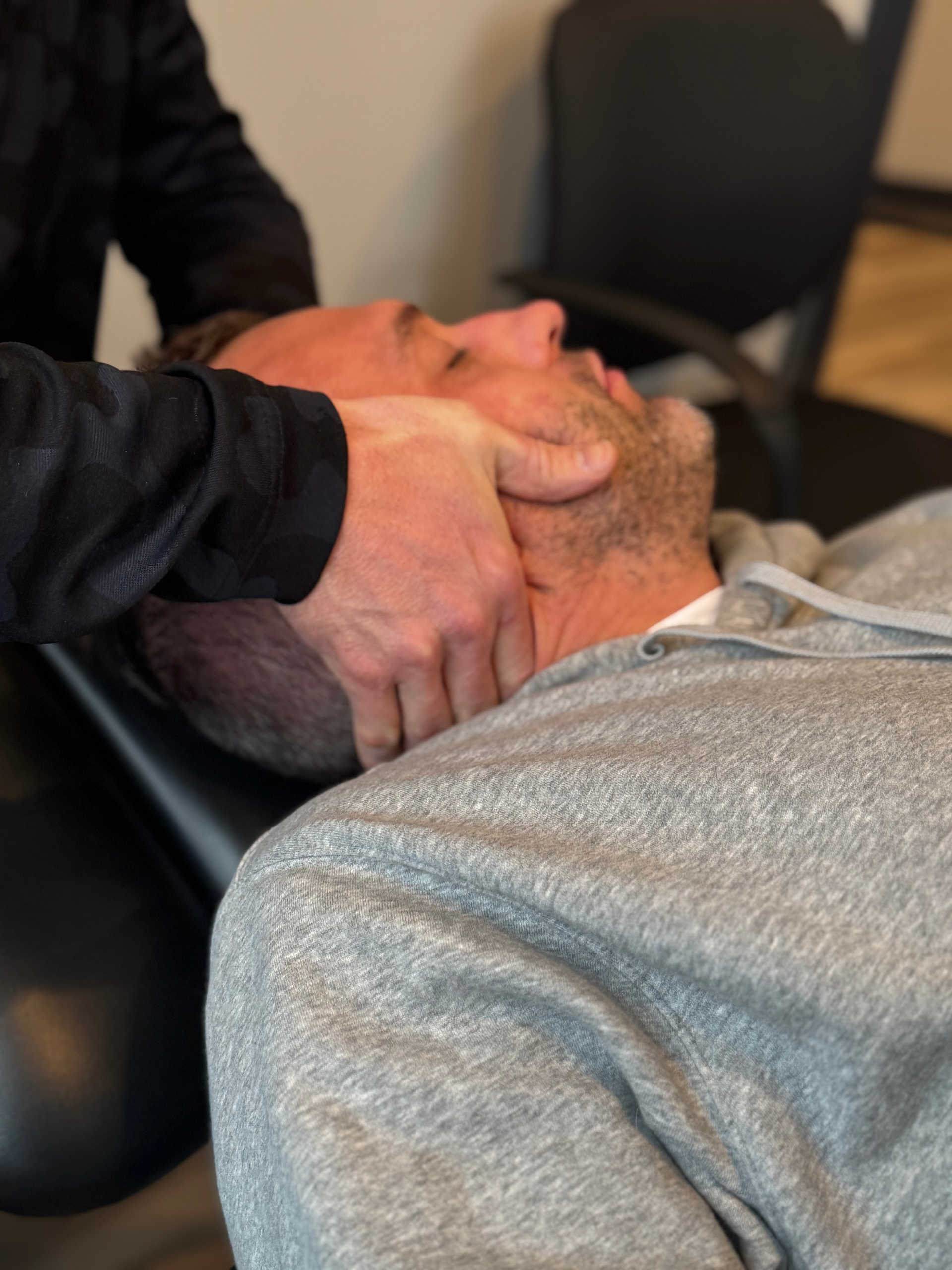
Chiropractic adjustments help restore proper movement in the neck and upper spine. Improving spinal alignment can reduce joint restriction, relieve pressure on surrounding tissues, and improve overall neck function.
Soft Tissue Therapy for Tight Muscles
Soft tissue therapy focuses on releasing muscle knots and tension in the neck, shoulders, and upper back. Techniques such as manual therapy and massage can improve circulation and reduce muscle stiffness that contributes to headaches.
Corrective Exercises That Improve Posture
Corrective exercises strengthen the muscles that support proper posture and spinal alignment. Improving posture can reduce daily strain on the neck and help prevent recurring neck tension and headaches.
How Physical Therapy Improves Recovery
Physical therapy improves recovery by addressing the underlying causes of neck tension and headaches rather than only masking symptoms. Treatment focuses on improving mobility, reducing muscle tightness, correcting posture, and restoring proper movement patterns.
A personalized physical therapy plan may include stretching, strengthening exercises, manual therapy, and posture correction to reduce strain on the neck and upper back. Over time, these treatments can help decrease headache frequency, improve function, and prevent recurring pain.
When Headaches Need Medical Attention
Headaches caused by neck tension can improve with conservative care, but certain symptoms require immediate medical attention. Severe headaches, sudden pain, dizziness, numbness, vision changes, or headaches following an accident or injury should be evaluated by a medical professional.
Persistent headaches that continue despite rest, stretching, or posture correction may also point to a more serious condition. Identifying the source of pain early can help prevent worsening symptoms and improve recovery outcomes.
Prevent Future Neck Tension Headaches
Preventing neck tension and headaches starts with reducing strain on the neck and upper body throughout the day. Maintaining proper posture, taking breaks from screens, using supportive pillows, and managing stress can all help decrease muscle tension.
Regular stretching and strengthening exercises may also improve flexibility and posture while reducing pressure on the cervical spine. Addressing minor neck discomfort early can help prevent recurring headaches and chronic pain over time.
Schedule Care At Advanced Physical Medicine
Recurring neck tension and headaches can make daily activities uncomfortable and difficult to manage. Addressing muscle tightness, posture issues, and spinal strain early can help reduce pain and improve long-term function.
Advanced Physical Medicine of St. Charles provides comprehensive treatment for neck pain and headache symptoms through physical therapy, chiropractic care, and personalized rehabilitation plans.
Experience the difference at Advanced Physical Medicine of St. Charles and see why patients throughout the St. Charles area trust our team for effective, individualized care.

About Dr. Glenn
Board Certified Chiropractic Physician | Certified in Acupuncture
Born and raised in Oakland, Michigan, Dr. Glenn played competitive soccer for 12 years while being a 3 year varsity player and winning the Division 1 State Championship his senior year of high school. He attended Michigan State University, while earning his Bachelors of Science in human biology. He then attended National University of Health Sciences in Lombard, IL while earning a second Bachelors degree in human biology and his Doctorate in Chiropractic Medicine. He became certified in acupuncture through the post-graduate program at Lincoln College.
Connect with Us: