Share this article:
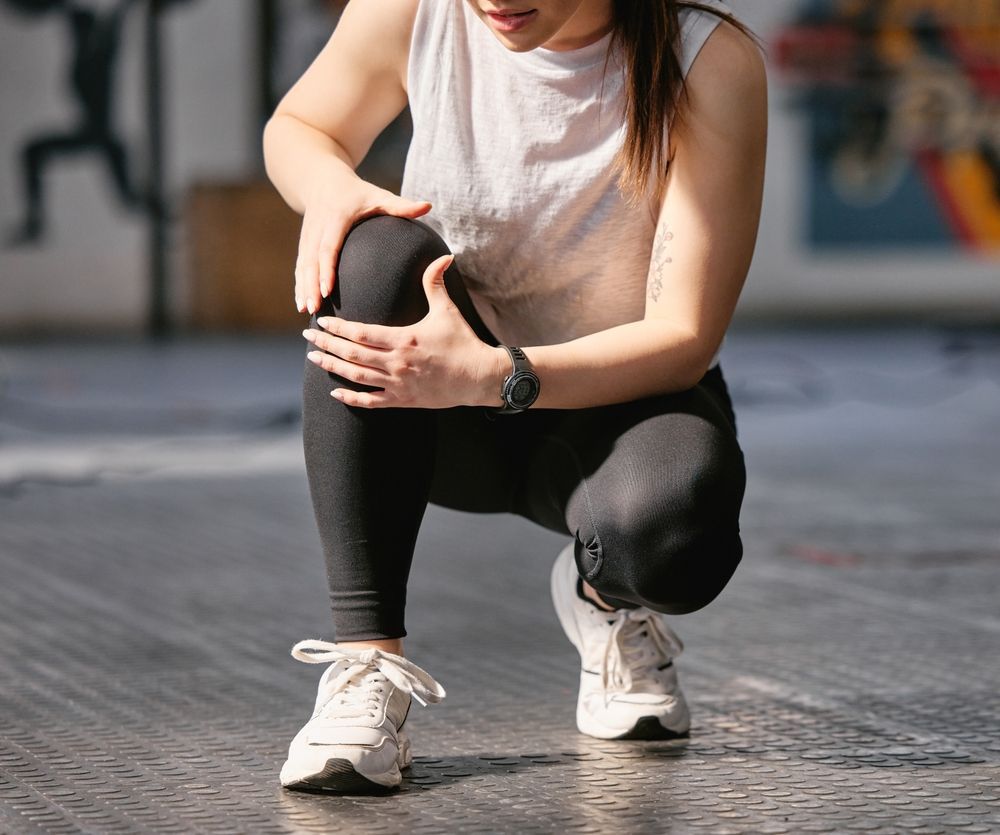
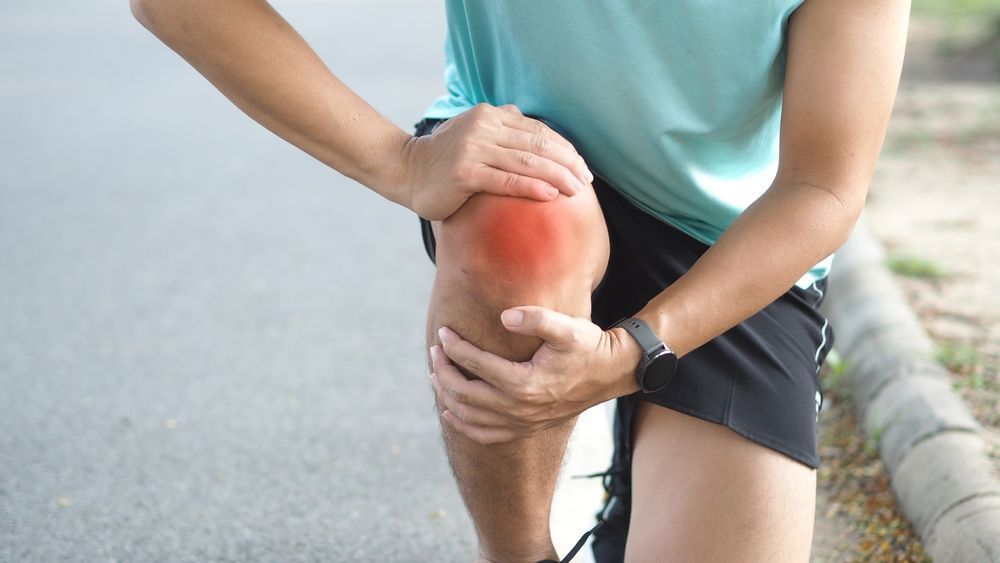
You take a few days off because the outside of your knee hurts during a run. The pain fades, everyday walking feels normal, and you try your usual route again. Then the same pain returns after a mile or two.
This stop-and-start pattern is common when an irritated IT band settles during rest, but the leg is not ready for the same running load. IT band stretches can improve mobility in nearby muscles, while targeted exercises build hip, glute, and core strength needed for repeated movement. A gradual return to activity can reduce the chance of falling into the same cycle.
Why IT Band Pain Shows Up on the Outside of Your Knee and Hip
The iliotibial band, or IT band, is thick connective tissue running from the outer hip to the upper shin. During running, walking, and cycling, it helps stabilize the hip and knee.
Repeated knee movement can irritate tissues near the outside of the knee, particularly after a jump in mileage, added hill training,
increase load when squatting, or another change in activity. Discomfort can also occur near the outer hip.
The IT band itself does not stretch like a muscle. That is why effective care often targets the surrounding muscles for mobility, then builds hip and glute strength to help the leg manage repeated activity.
IT Band Stretches That Release the Muscles Connected to the Band
The IT band itself is dense connective tissue, so these stretches focus on the muscles around the hip and thigh that influence movement and tension in the area. Each stretch should create a gentle pulling sensation rather than sharp pain. Move slowly, stay within a comfortable range, and avoid forcing a position simply to feel a stronger stretch.
Standing Crossover Stretch
Stand upright and cross the affected leg behind the other. Shift your hips toward the affected side while leaning your upper body in the opposite direction. You should feel a gentle stretch along the outer hip and thigh. Keep both feet planted and avoid twisting your torso.
Seated Figure-4
Sit near the edge of a sturdy chair and place one ankle across the opposite thigh. Keeping your back straight, hinge forward from your hips until you feel a stretch through the buttock and outer hip. Avoid pressing down aggressively on the raised knee.
Half-Kneeling Hip Flexor With Side Reach
Kneel on one knee, keeping the opposite foot flat in front. Gently tuck your pelvis and shift forward until you feel a stretch at the front of the kneeling-side hip. Reach that same-side arm overhead, then lean slightly toward the opposite side.
Standing Quad Stretch
Stand near a wall or chair for support. Bend one knee and bring your heel toward your buttocks, holding your ankle or foot. Keep your knees close together and your pelvis steady. The stretch should stay along the front of the thigh rather than pulling sharply at the knee.
Supine Hamstring Stretch With Strap
Lie on your back and loop a stretching strap or towel around one foot. Raise that leg while keeping the knee comfortably straight. Stop when you feel gentle tension along the back of the thigh. Keep the opposite leg relaxed and avoid lifting your hips from the floor.
Foam Rolling: Where to Press and Where to Skip
Focus the roller on muscular areas around the outer hip, glutes, and lateral thigh. Move slowly over tender muscles rather than aggressively rolling the most painful spot. Skip direct pressure over the outside of the knee and other bony areas. Sharp pain is a signal to reduce pressure or stop.
IT Band Exercises to Strengthen Your Hips, Glutes, and Core
Once pain settles enough for comfortable exercise, strengthening can help your leg handle the repeated loading involved in running, stairs, and longer walks. The focus is usually on the glutes, hip muscles, and core, which help control the pelvis, thigh, and knee during each step.
Start at a level where you can maintain good control without increasing outer knee or hip pain. From there, exercises can progress from floor-based movements to standing, single-leg tasks that more closely resemble the forces your body manages during running.
Clamshells
Lie on your side, knees bent and feet together. Keep your pelvis steady while lifting the top knee, then lower it slowly. Avoid rolling your hips backward. This exercise targets the gluteal muscles that help control the thigh during running and walking.
Side-Lying Hip Abduction
Lie on your side and straighten the top leg. Lift it toward the ceiling without letting it drift forward or rotating your pelvis. Lower slowly. This movement strengthens the muscles along the outside of the hip that support pelvic control.
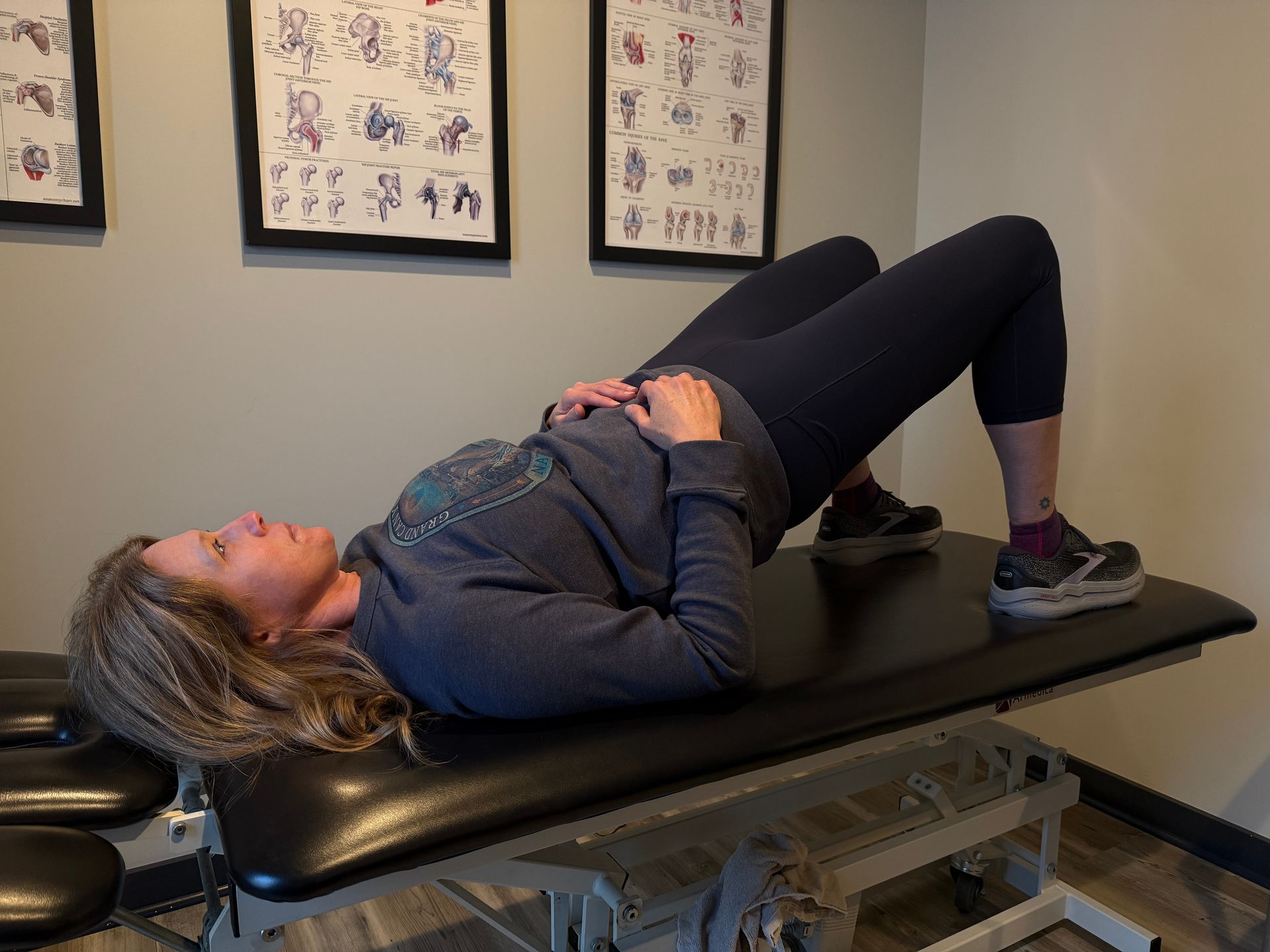
Glute Bridges
Lie on your back, knees bent and feet flat. Tighten your abdominal muscles and squeeze your glutes as you lift your hips. Keep your pelvis level, then lower slowly. Progress toward single-leg variations once the standard bridge feels controlled and comfortable.
Lateral Band Walks
Place a resistance band around your thighs or lower legs. Bend your knees slightly, keep your feet facing forward, and take controlled steps sideways. Maintain tension in the band rather than letting your feet snap together between steps.
Single-Leg Balance and Hip Hikes
Stand on one leg while keeping your pelvis level. Once you can
balance comfortably, progress to hip hikes on a step. Slowly lower one side of your pelvis, then use the standing-side hip muscles to return to level.
Step-Downs
Stand on a low step and slowly lower the opposite heel toward the floor. Keep your pelvis controlled and your standing knee tracking over your foot. Step-downs challenge single-leg control in a position that has more in common with running and stairs than floor exercises do.
A 10-Minute Daily Routine for Outer Knee and Hip Relief
Spend two to three minutes stretching the areas that feel tight, then move into clamshells or bridges. Finish with lateral band walks or controlled step-downs to challenge the hips during standing movement.
Keep each movement slow and comfortable. If outer knee or hip pain increases, reduce the resistance or range of motion. Pain that continues despite these adjustments may warrant a
physical therapy evaluation.
Return to Running and Load Management After an IT Band Flare
Feeling better during everyday activities does not always mean your leg is ready for your previous running volume. If pain returns at the same point in each run, reduce mileage, pace, or hills instead of repeatedly testing the painful distance.
Resume running at a tolerable level and increase gradually based on how your knee responds during activity and afterward. Avoid making several changes at once, such as adding distance, speed, and hills in the same week. Recurring pain despite a reduced workload can indicate that strength, movement control, or another source of
knee pain needs evaluation.
Setup and Habit Changes That Stop the Pain From Coming Back
Pay attention to what changed before the flare. A sudden mileage increase, more hills, faster workouts, or a return to running after time off can increase stress on the outer knee.
Build distance and intensity gradually, keep hip-strengthening exercises in your routine, and replace running shoes once they become noticeably worn. Changing routes can also help if you regularly run on sloped or uneven surfaces. If symptoms repeatedly return despite these adjustments, the problem may require more than another change to your training routine.
When to See a Physical Therapist at APM of St. Charles
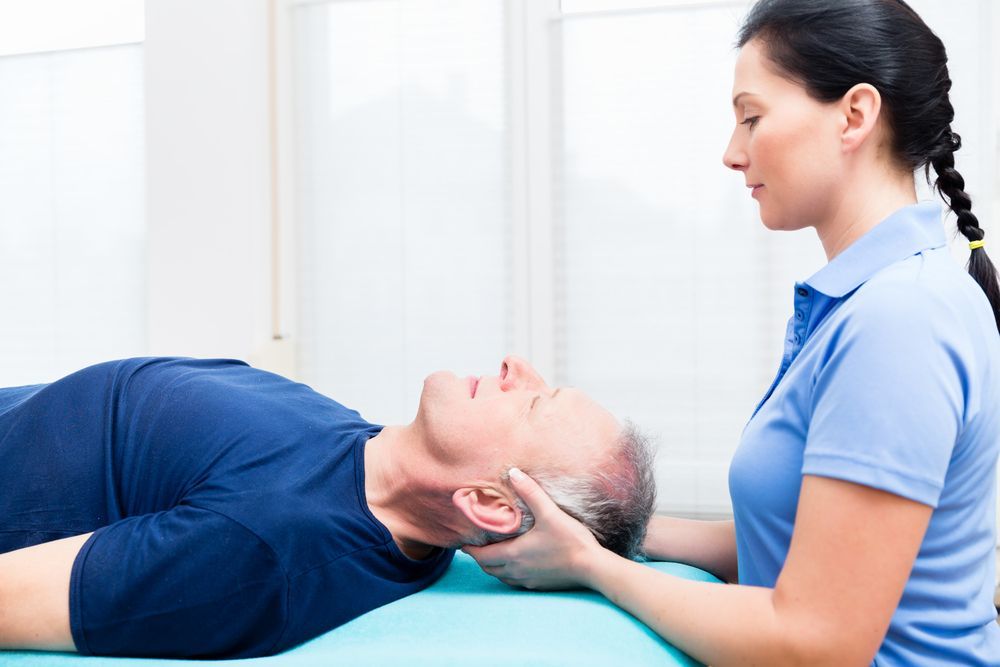
If outer knee or hip pain keeps returning when you run, limits daily activity, or fails to improve after modifying your routine, consider a physical therapy evaluation. A physical therapist can assess hip and leg strength, mobility, movement patterns, and activity tolerance to determine what may be contributing to your symptoms.
Advanced Physical Medicine of St. Charles provides
individualized care for patients working toward comfortable movement and a safe return to activity.
Experience the difference at Advanced Physical Medicine of St. Charles. See why patients choose APM for physical therapy and chiropractic care.

About Dr. Dan
Physical Therapist
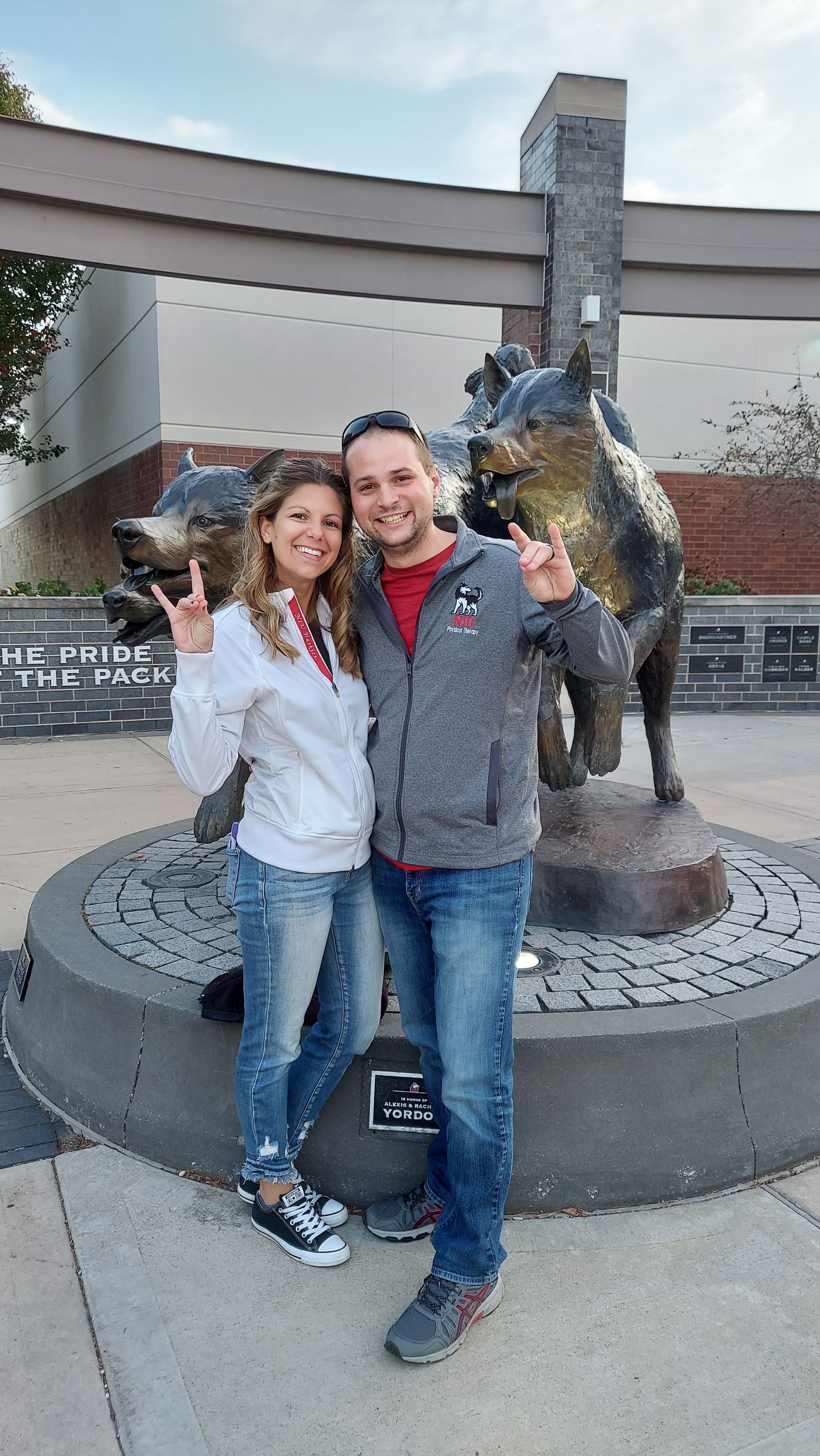
Born and raised in St. Charles, Illinois, Dr. Dan initially started with Advanced Physical Medicine as a physical therapy technician in 2014. Since that time, he has earned his Bachelors in Health and Human Sciences from Northern Illinois University prior to attending NIU’s physical therapy program. He earned his Doctorate in Physical Therapy in 2019. He has been a member of the American Physical Therapy Association (APTA) since 2016 and a member of the American Academy of Sports Physical Therapy (AASPT) since 2017.
Connect with Us: