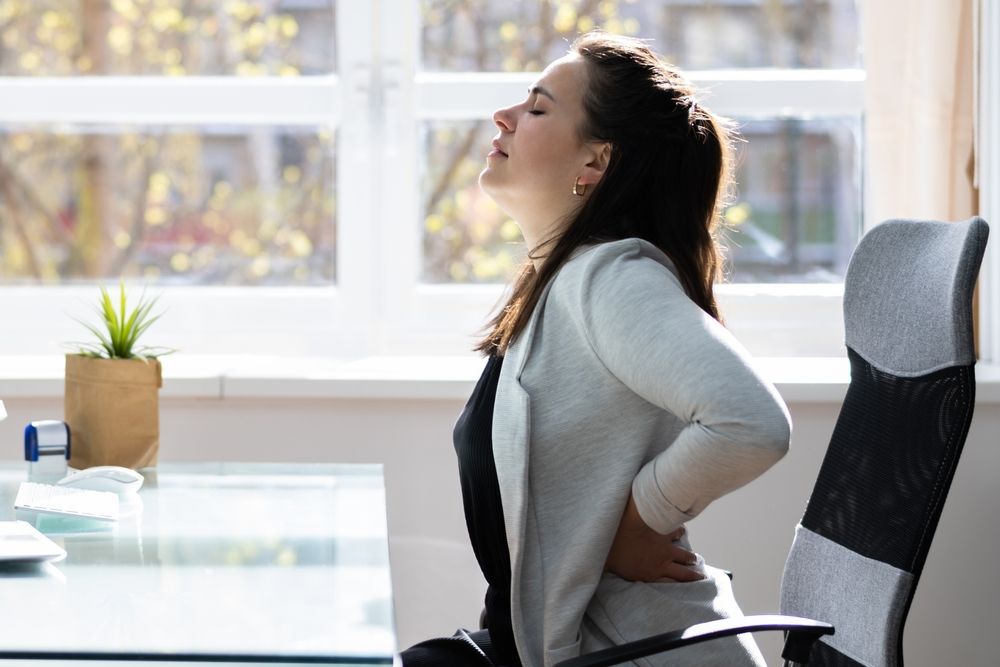
Things to Avoid With Cervical Spinal Stenosis: A Patient Guide
August 3, 2026
Share this article:
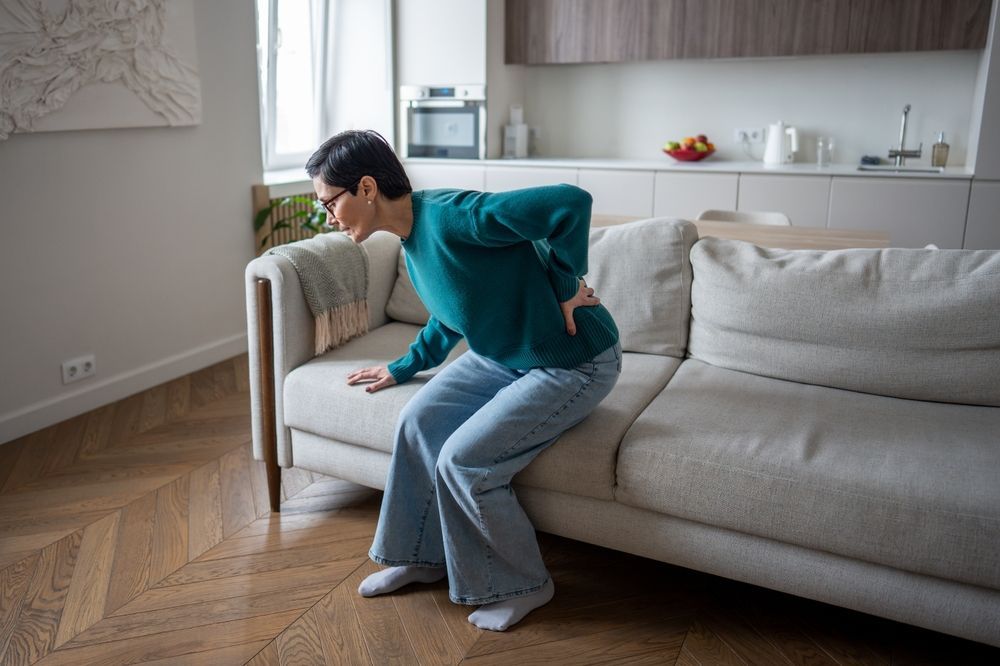
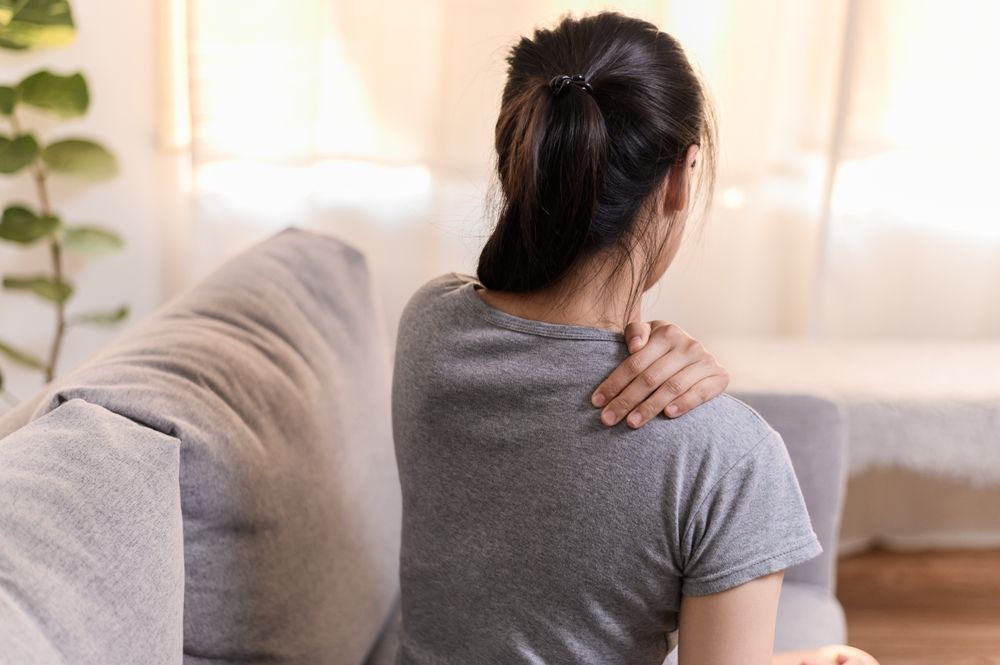
Neck pain that lingers, tingling running into an arm, or trouble turning your head can make everyday tasks frustrating. Many people diagnosed with cervical spinal stenosis start looking for simple changes that may calm symptoms and help them stay active. At the same time, it can feel difficult to tell which habits support recovery and which ones place extra stress on the neck.
Daily routines often have a bigger impact than expected. The way you sit at a desk, lift groceries, sleep at night, or exercise can either reduce irritation or make symptoms harder to manage. A few practical adjustments, combined with conservative care from experienced medical professionals, can help many people move more comfortably and continue doing the activities they enjoy.
Activities That Put Your Cervical Spine at Risk
Living with cervical spinal stenosis often means paying closer attention to daily movement. Some activities or neck positions may temporarily reduce space available for the spinal cord and nerve roots, which may increase neck pain, numbness, or tingling.
Heavy overhead lifting, contact sports, repetitive impact, and sudden twisting motions commonly aggravate symptoms. Looking upward for extended periods during work or home projects can have the same effect. That does not mean you should stop moving. Gentle, controlled activity supports mobility and strength, while a physical therapist can recommend safer ways to stay active without placing unnecessary stress on your cervical spine.
This is paragraph text. Click it or hit the Manage Text button to change the font, color, size, format, and more. To set up site-wide paragraph and title styles, go to Site Theme.
Posture Habits That Worsen Cervical Stenosis
Many people spend hours looking at a computer, phone, or tablet without realizing how much strain it places on the neck. A forward head position increases pressure on the cervical spine and can aggravate pain, stiffness, or nerve-related symptoms.
Try to keep your head aligned over your shoulders instead of leaning forward. Adjust your workstation so your screen sits at eye level, take short movement breaks throughout the day, and avoid holding your phone between your shoulder and ear. Small posture changes practiced consistently can make everyday activities more comfortable.
Cervical Spinal Stenosis Exercises to Avoid
Exercise remains an important part of managing cervical spinal stenosis, but some movements can increase irritation. High-impact workouts, heavy overhead presses, deep backbends, and exercises that force the neck into repeated extension or rotation may make symptoms worse for some people.
Pain should not be ignored during a workout. If an exercise causes increased numbness, tingling, weakness, or lasting neck pain, stop the activity and speak with a healthcare provider or physical therapist. Exercise recommendations should match your symptoms, overall health, and level of spinal narrowing.
Cervical Stenosis Exercises That Support Your Neck
Many people benefit from cervical stenosis exercises that improve flexibility, strengthen the muscles supporting the neck, and promote better posture. Gentle range-of-motion exercises, chin tucks, shoulder blade strengthening, and stretching are common components of a personalized rehabilitation program.
Every diagnosis is different, so exercises should match your symptoms and physical condition. A physical therapist can monitor your progress, adjust your program when needed, and help you build strength without placing unnecessary stress on the cervical spine.
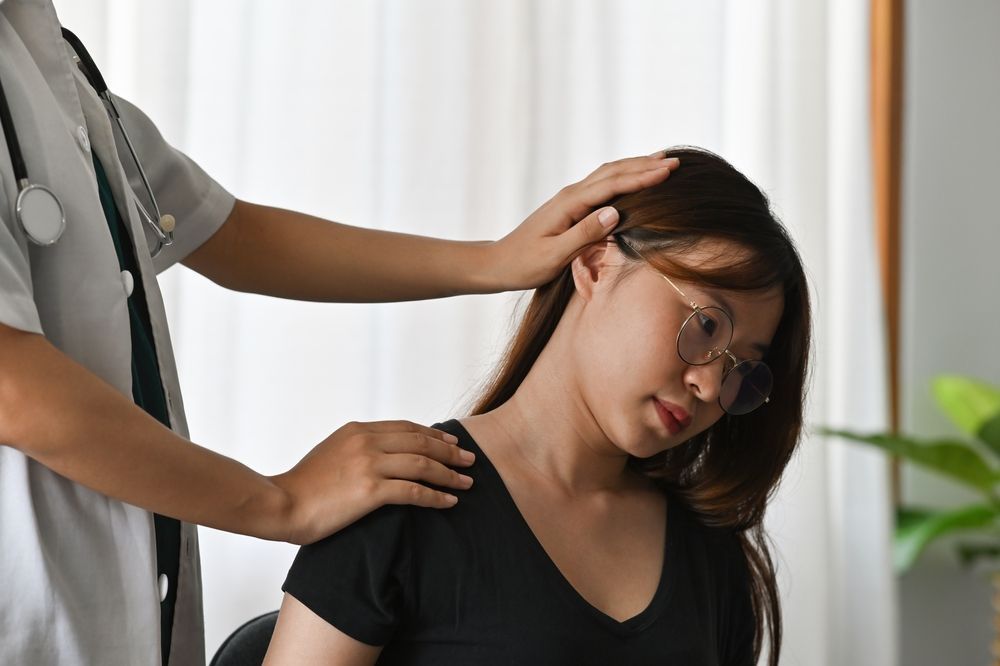
How Sleep and Daily Routines Affect Your Symptoms
The position of your neck during sleep can influence how you feel the next morning. Sleeping on your back or side with a supportive pillow helps keep the cervical spine in a more neutral position. Stomach sleeping may force the neck into prolonged rotation, which can increase discomfort for some people.
Daily habits matter, too. Taking regular breaks from desk work, avoiding long periods in one position, and using proper lifting techniques can reduce strain on the neck and help limit symptom flare-ups.
When Conservative Care May Be Appropriate
Surgery is not necessary for every person with cervical spinal stenosis. Conservative treatment may be appropriate when symptoms are mild, stable, and not associated with spinal-cord dysfunction or progressive neurologic loss. Patients with signs of cervical myelopathy, worsening weakness, or progressive functional impairment should receive prompt medical or surgical evaluation.
A treatment plan may include physical therapy, chiropractic care, acupuncture, and activity modifications to improve mobility,
reduce pain, and support daily function. Regular follow-up visits allow your provider to monitor changes and recommend additional treatment if symptoms progress.

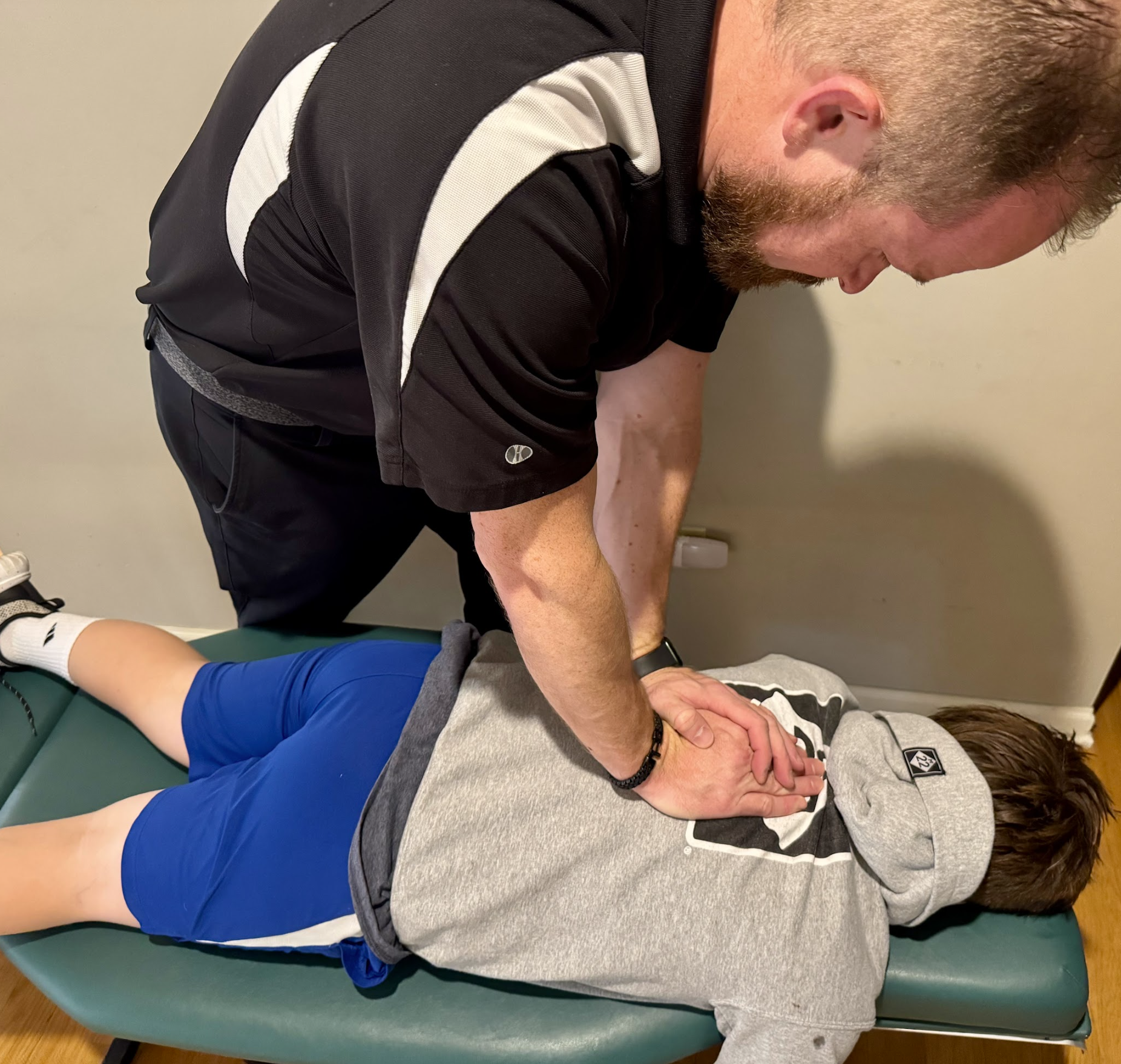
Physical therapy, chiropractic care, and acupuncture each address a different part of recovery. Physical therapy focuses on strength, mobility, and movement patterns. Chiropractic care aims to improve joint function when appropriate for the patient's condition. Acupuncture may help reduce pain and muscle tension for some individuals.
When these services are coordinated under one treatment plan, patients receive care that addresses symptoms from multiple angles while supporting long-term function and comfort.
Warning Signs That Need Immediate Attention
While many symptoms can be managed through conservative care, some changes require prompt medical evaluation. Seek immediate attention if you develop significant arm or hand weakness, difficulty walking, problems with balance or coordination, or a loss of bowel or bladder control. Severe neck pain following a fall or other injury should also be evaluated right away.
Early treatment can help identify serious spinal cord compression and determine the most appropriate next steps.
Take the First Step Toward Relief in St. Charles
If neck pain, numbness, or tingling is limiting your daily activities, early treatment may help prevent symptoms from becoming more disruptive. At Advanced Physical Medicine of St. Charles, our team develops personalized treatment plans that may include physical therapy, chiropractic care, acupuncture, and other conservative options based on your needs.
Contact Advanced Physical Medicine of St. Charles today to schedule an evaluation and learn how a comprehensive approach can help you move more comfortably and return to the activities that matter most.
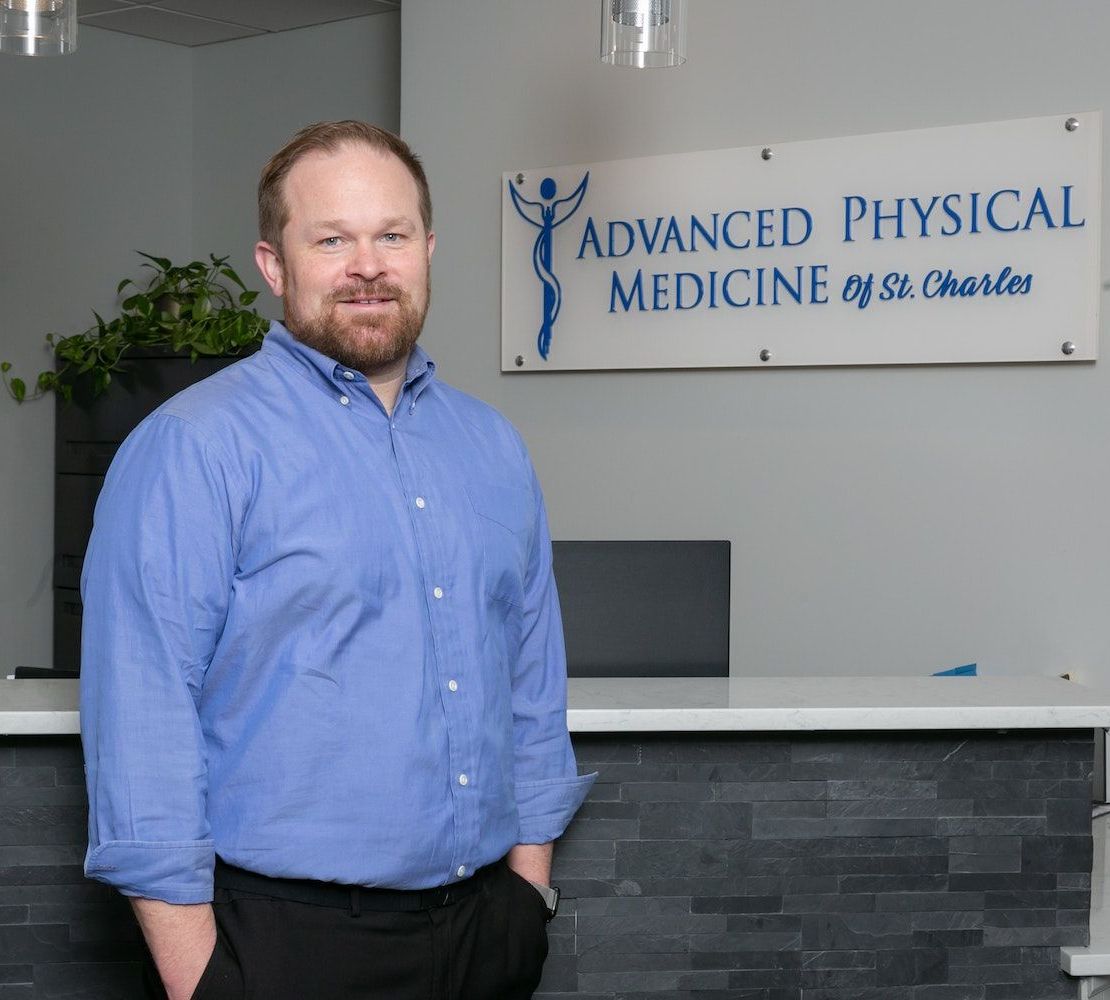
About Dr. Glenn
Board Certified Chiropractic Physician | Certified in Acupuncture
Born and raised in Oakland, Michigan, Dr. Glenn played competitive soccer for 12 years while being a 3 year varsity player and winning the Division 1 State Championship his senior year of high school. He attended Michigan State University, while earning his Bachelors of Science in human biology. He then attended National University of Health Sciences in Lombard, IL while earning a second Bachelors degree in human biology and his Doctorate in Chiropractic Medicine. He became certified in acupuncture through the post-graduate program at Lincoln College.
Connect with Us: