Share this article:
A full day at the computer can leave your wrists feeling sore, stiff, or unusually tired. At first, the discomfort may only appear after a long stretch of work, but over time, it can become noticeable while typing, using a mouse, or even performing simple tasks at home. Because these symptoms often develop gradually, many people dismiss them until they begin affecting productivity and daily life. Understanding what contributes to wrist pain is the first step toward finding relief and preventing the problem from becoming more difficult to treat.
What Causes Wrist Pain From Mouse Use vs Typing
Typing and mouse use may seem similar, but they place stress on the wrist in different ways. Wrist pain from typing is usually linked to repetitive finger movements and prolonged wrist positioning, especially when the keyboard sits too high or the wrists rest on a hard edge. This repetitive strain may irritate the muscles, tendons, and nerves that support hand movement.
Wrist pain from mouse use is more closely related to maintaining the same hand position for long periods. Reaching for the mouse, gripping it tightly, and performing repeated clicking or scrolling motions places extra demand on the thumb, wrist, and forearm. When these movements are combined with poor workstation ergonomics and limited breaks, minor irritation may develop into a more persistent injury.
Common Conditions That Develop From Desk Work
Repetitive computer use does not always lead to the same type of injury. Depending on which tissues are under the most stress, desk work may contribute to several conditions that cause pain, weakness, or limited wrist and hand function.
Carpal Tunnel Syndrome
Carpal tunnel syndrome develops when the median nerve becomes compressed as it passes through the wrist. Common symptoms include numbness, tingling, weakness, and pain that may spread into the thumb, index finger, middle finger, and part of the ring finger. Repetitive hand movements and prolonged wrist positions may contribute to symptom development, particularly when combined with other risk factors.
De Quervain's Tenosynovitis
De Quervain's tenosynovitis affects the tendons on the thumb side of the wrist. Repeated gripping, scrolling, or mouse use may irritate these tendons, leading to pain near the base of the thumb that becomes more noticeable when lifting objects or twisting the wrist.
Wrist Tendinitis
Wrist tendinitis occurs when one or more wrist tendons become irritated from repeated use. The pain usually develops gradually and may worsen during typing, lifting, or other everyday tasks. Without appropriate treatment, continued overuse can make symptoms more difficult to resolve.
Workstation Habits That Load the Wrist Over Time
Small habits repeated throughout the workday can gradually increase stress on the wrist. Common contributors include reaching too far for the mouse, bending the wrists instead of keeping them neutral, gripping the mouse too tightly, and working for long periods without changing position. Resting the wrists on the edge of a desk while typing may also add unnecessary pressure. Simple ergonomic adjustments and regular movement breaks can reduce strain and help support healthier wrist function throughout the workday.
Wrist Pain From Mouse Use: When to Stop Pushing Through
It is easy to dismiss wrist discomfort as part of a busy workweek, especially when deadlines make taking a break feel impossible. However, pain that returns every day or begins interfering with routine tasks deserves attention. If symptoms persist for more than a few days, become more intense, or include numbness, tingling, weakness, or a reduced grip, an evaluation is recommended. Addressing the problem early may help prevent further irritation and reduce the likelihood of a longer recovery. The sooner the underlying cause is identified, the sooner an appropriate treatment plan can begin.

How Physical Therapy Addresses Typing and Mouse Injuries
Physical therapy focuses on treating the source of wrist pain rather than simply masking symptoms. After identifying the movements and activities contributing to the problem, a physical therapist develops a personalized treatment plan to improve mobility, reduce irritation, and restore strength. Treatment may include targeted exercises, manual therapy, stretching, and education on proper workstation ergonomics. As pain improves, patients learn strategies to reduce unnecessary strain during daily activities, helping them return to work more comfortably while lowering the risk of future flare-ups.
Why an Integrated Clinic Changes Your Recovery Timeline
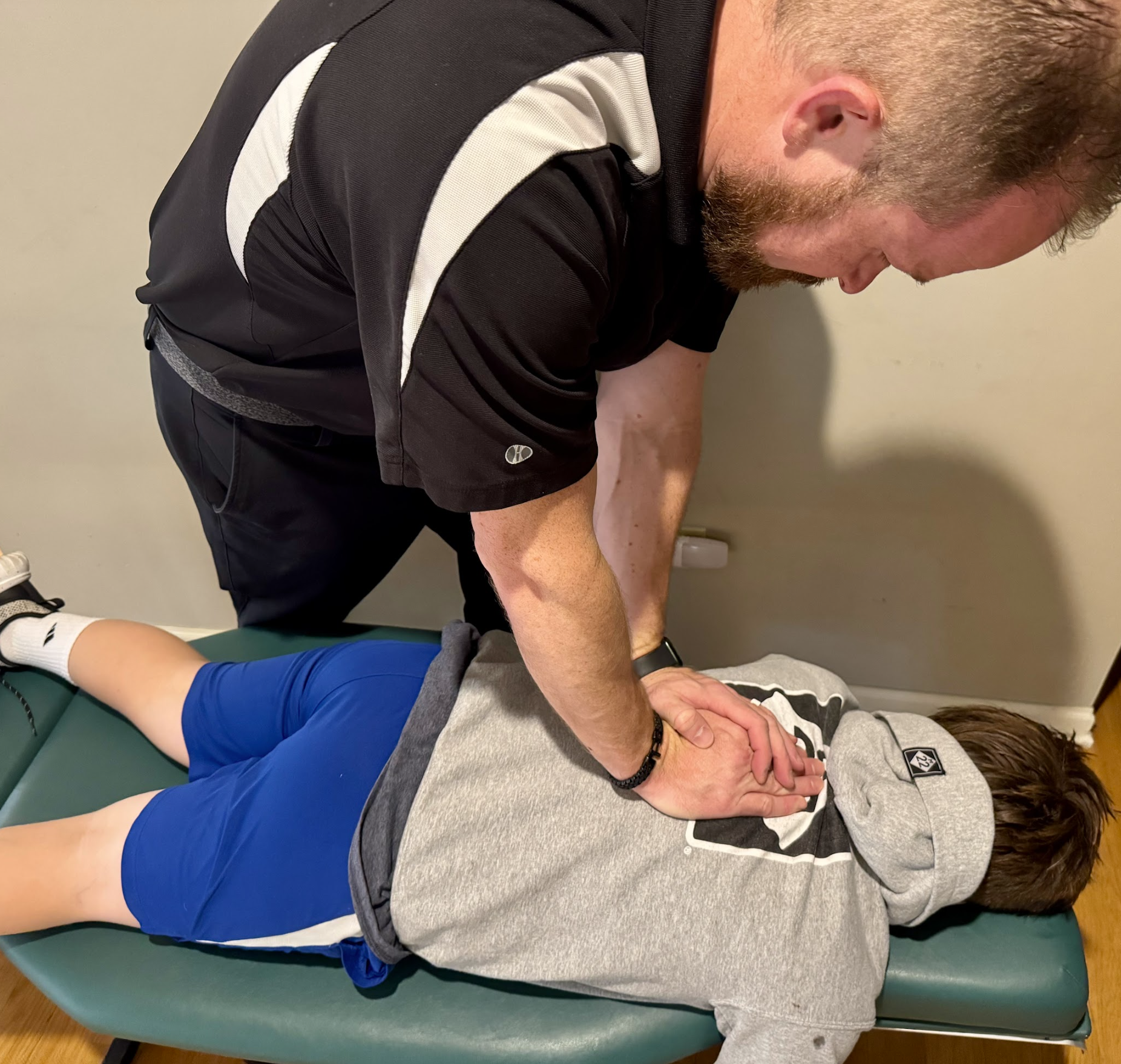
Recovering from wrist pain is not always as simple as treating the wrist alone. Tightness, weakness, or movement limitations in the hand, forearm, elbow, shoulder, or neck may also contribute to ongoing symptoms. An integrated clinic brings multiple providers together to address these factors as part of a coordinated treatment plan. At Advanced Physical Medicine of St. Charles, physical therapy, chiropractic care, and massage therapy work together when appropriate, helping patients receive comprehensive care without the need to coordinate between multiple offices.
Desk Worker Wrist Care at APM in St. Charles
If wrist pain is making it harder to work comfortably or complete everyday tasks, early treatment can help prevent the problem from becoming more limiting. At Advanced Physical Medicine of St. Charles, our team provides comprehensive evaluations to identify the source of your symptoms and develop a personalized treatment plan. Through physical therapy, chiropractic care, and other conservative treatment options, we focus on reducing pain, restoring function, and helping you return to your daily routine with confidence.
If you are experiencing persistent wrist pain from typing, mouse use, or other repetitive activities,
contact Advanced Physical Medicine of St. Charles today to schedule an evaluation. Our integrated team is here to help you find lasting relief and get back to doing what you enjoy.

About Dr. Glenn
Board Certified Chiropractic Physician | Certified in Acupuncture
Born and raised in Oakland, Michigan, Dr. Glenn played competitive soccer for 12 years while being a 3 year varsity player and winning the Division 1 State Championship his senior year of high school. He attended Michigan State University, while earning his Bachelors of Science in human biology. He then attended National University of Health Sciences in Lombard, IL while earning a second Bachelors degree in human biology and his Doctorate in Chiropractic Medicine. He became certified in acupuncture through the post-graduate program at Lincoln College.
Connect with Us: