Share this article:
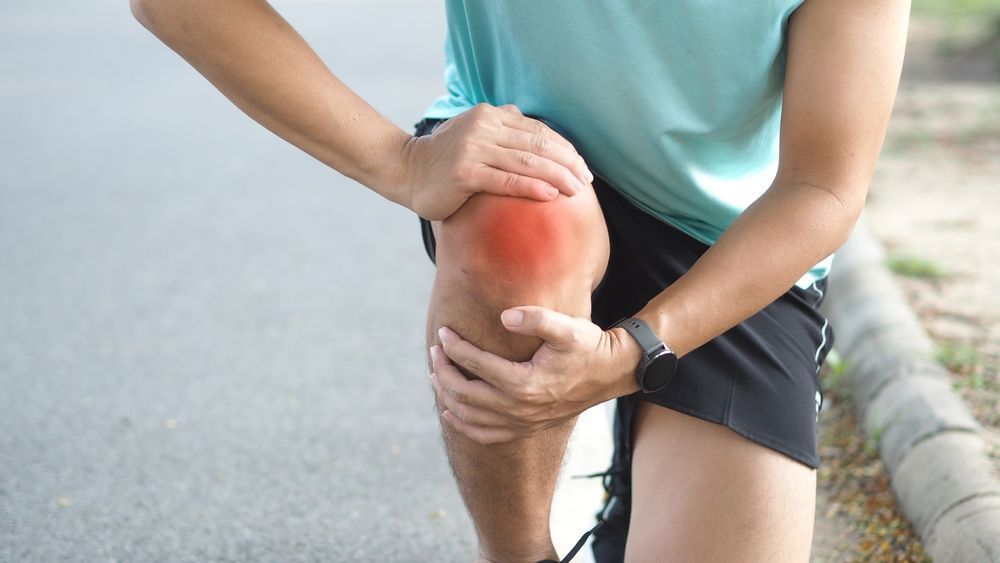
Maybe you first notice it during a set of squats at the gym. You shorten your depth, shift your stance, or remove some weight, but your knee still hurts. Soon, the same discomfort may show up when taking stairs, getting out of a chair, or picking something up from the floor.
Squatting places substantial load on the knee while requiring coordinated movement from the hips and ankles. Pain can develop for several reasons, and identifying what triggers it can help determine which movements, exercises, or treatments make sense next.
Why Do My Knees Hurt When Squatting?
A squat asks more from your knee than simply bending and straightening it. As you lower your body, the quadriceps work harder, pressure around the knee changes, and the hips and ankles help control your position. Adding weight or squatting deeper increases the challenge.
That is why your
knees may hurt when squatting even if walking feels comfortable. Limited ankle mobility, reduced hip strength, irritated knee tissues, or a recent increase in training can make a previously manageable movement painful. Where the pain occurs and what triggers it can provide useful clues, but an evaluation is needed to determine the cause.
Common Causes of Squat-Related Knee Pain
Knee pain during a squat can come from several structures, so the location and behavior of the pain matter. Common possibilities include:
- Patellofemoral pain: Pain around or behind the kneecap may become noticeable during deeper squats, stairs, running, or prolonged sitting.
- Patellar tendon irritation: Pain just below the kneecap can occur after repeated jumping, running, or strength training, particularly after a rapid increase in activity.
- Osteoarthritis: Changes within the knee joint can contribute to stiffness, aching, and reduced tolerance for loaded bending.
- Meniscus or joint irritation: Pain along the joint line, especially when paired with catching, locking, or swelling, deserves closer evaluation.
- Strength or mobility limitations: Reduced hip strength or ankle mobility can change how the knee, thigh, and lower leg move during a squat.
Squat depth, resistance, training frequency, and recent changes in activity can influence symptoms too. Rather than assuming one muscle or technique error is responsible, consider what changed and exactly when the pain appears.
Knee Pain When Squatting: When to Get It Checked
Mild soreness after a new workout may improve after reducing the activity that triggered it. Pain deserves closer attention when it keeps returning, limits squat depth, or starts interfering with stairs, walking, sitting down, or other daily movements.
Schedule an evaluation if the problem persists despite modifying your activity or if you cannot comfortably increase your training again. Prompt medical attention is especially important after a significant injury or when knee pain occurs alongside substantial swelling, locking, repeated buckling, or difficulty bearing weight.
An evaluation can help identify the source of the symptoms before you spend weeks changing your squat technique or trying exercises that may not address the problem.
How Integrated Chiropractic and PT Care Helps
Hip strength, ankle mobility, joint movement, balance, and squat mechanics can all affect the amount and direction of force placed on the knee.
A
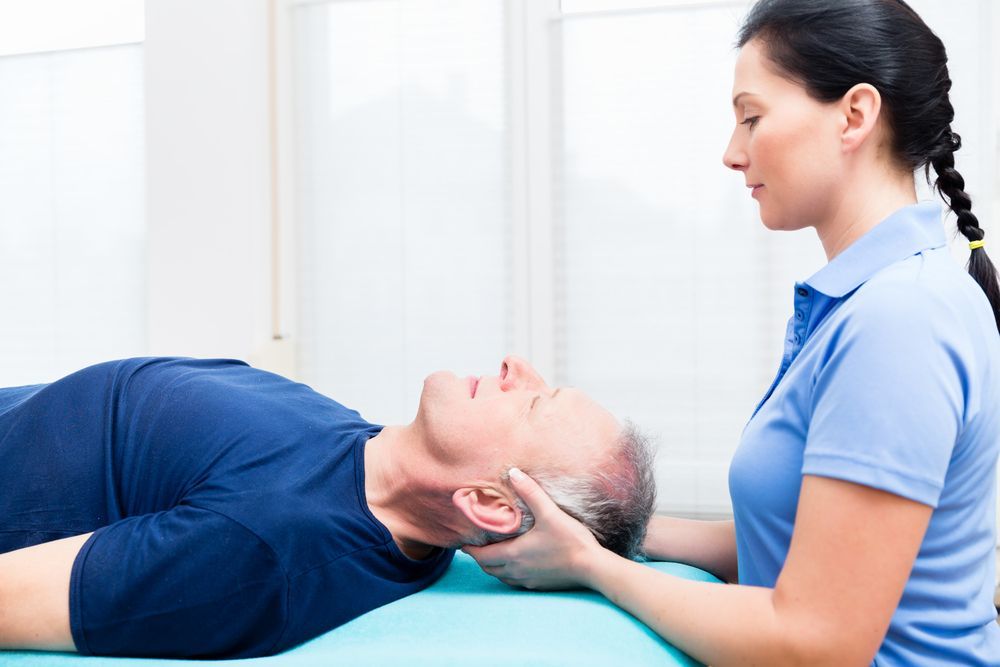
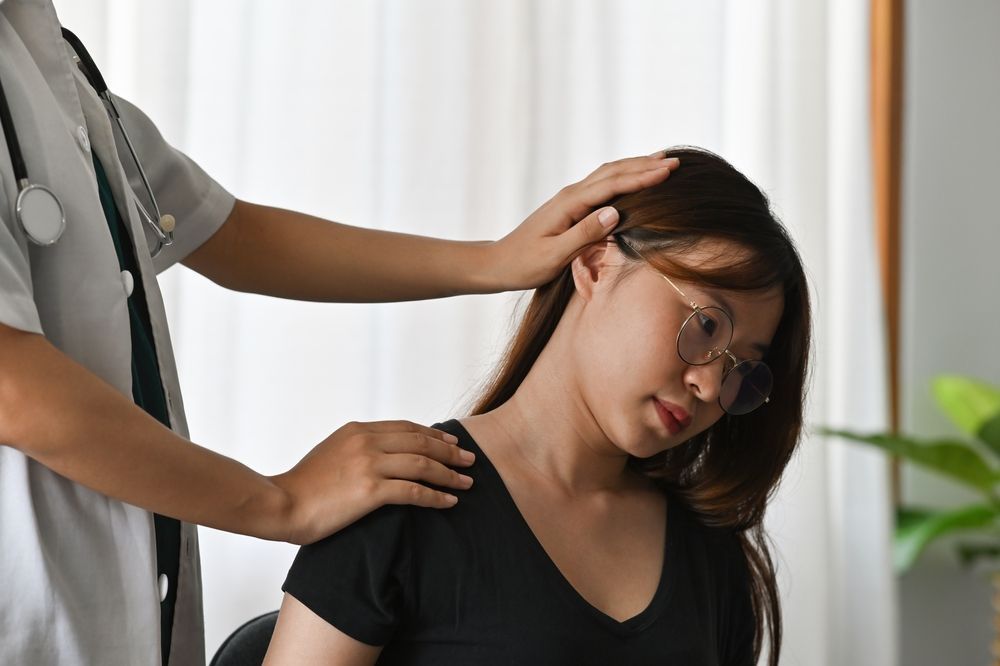
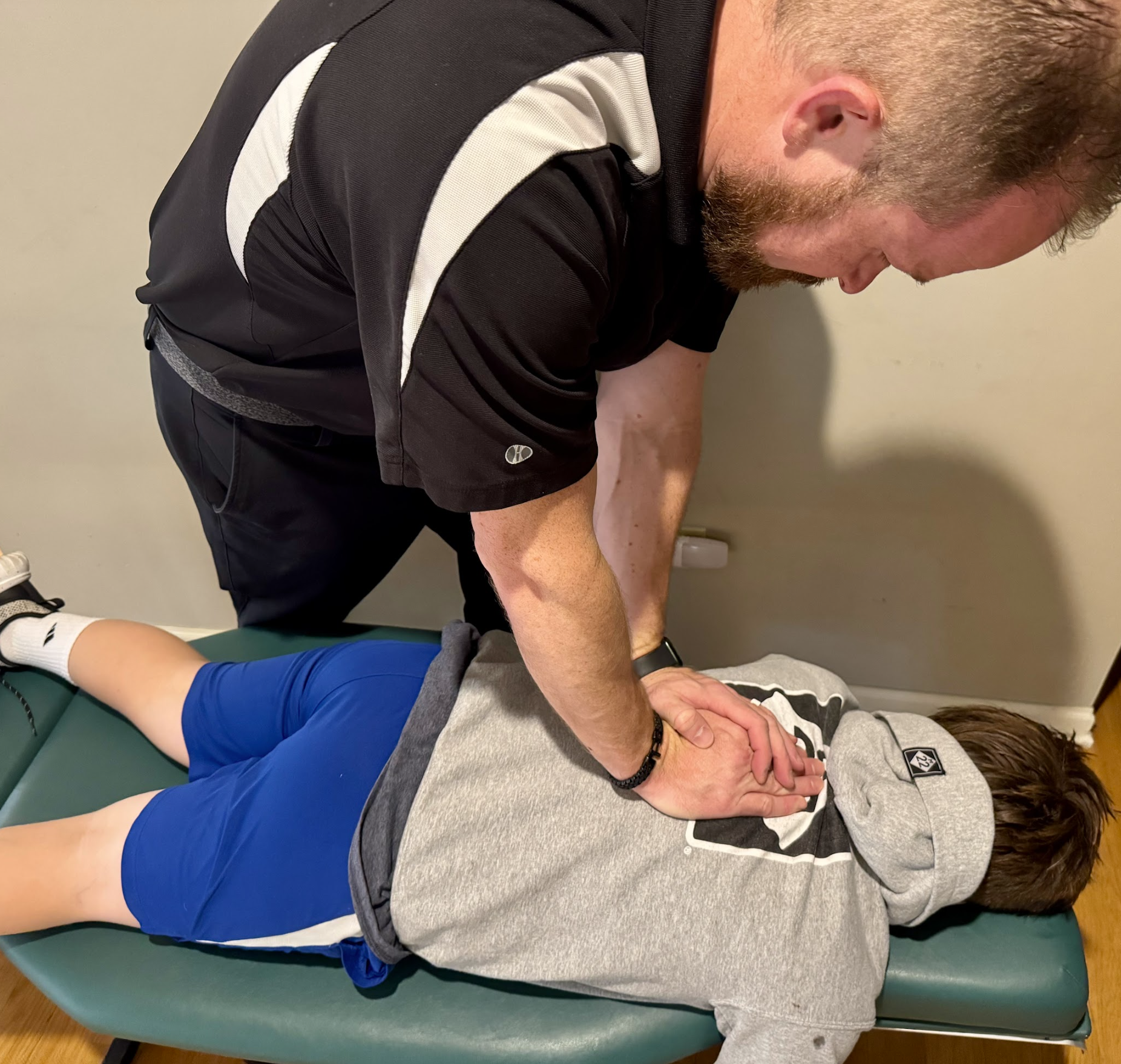
physical therapy evaluation may assess knee tracking, hip control, strength, mobility, and the point in the squat where symptoms begin. Chiropractic care may address joint restrictions when appropriate. Watching how symptoms change at different squat depths or after adjustments to stance can also help identify which movements the knee currently tolerates. This information can be used to modify activity rather than automatically removing squats from a patient's routine.
These findings can shape treatment around the movements causing difficulty, giving patients a clearer path toward rebuilding squat depth, strength, and tolerance.
How the AlterG Treadmill Can Reduce Knee Loading During Rehabilitation
When full body-weight activity aggravates the knee, reducing the load can make movement easier to tolerate. The AlterG Anti-Gravity Treadmill uses air pressure to support a portion of your body weight during exercise, and this technology is available on-site at Advanced Physical Medicine.
The amount of weight placed through the legs can be adjusted, then gradually increased as symptoms and movement improve. This can be useful when normal walking or other weight-bearing exercise still places too much stress on an irritated knee. Instead of moving directly from rest to full body-weight activity, patients can work at a level their knee currently tolerates.
Start Squatting Pain-Free at APM in St. Charles
If knee pain keeps changing how deep you squat, how much you lift, or how comfortably you handle daily activities, an individualized evaluation can help identify what is limiting the movement.
Advanced Physical Medicine of St. Charles offers physical therapy, chiropractic care, and rehabilitation options such as the AlterG Anti-Gravity Treadmill in one location. Treatment can focus on restoring mobility, building strength, and gradually increasing the load your knee can tolerate.
Experience the difference at Advanced Physical Medicine of St. Charles and take the next step toward comfortable, confident movement.
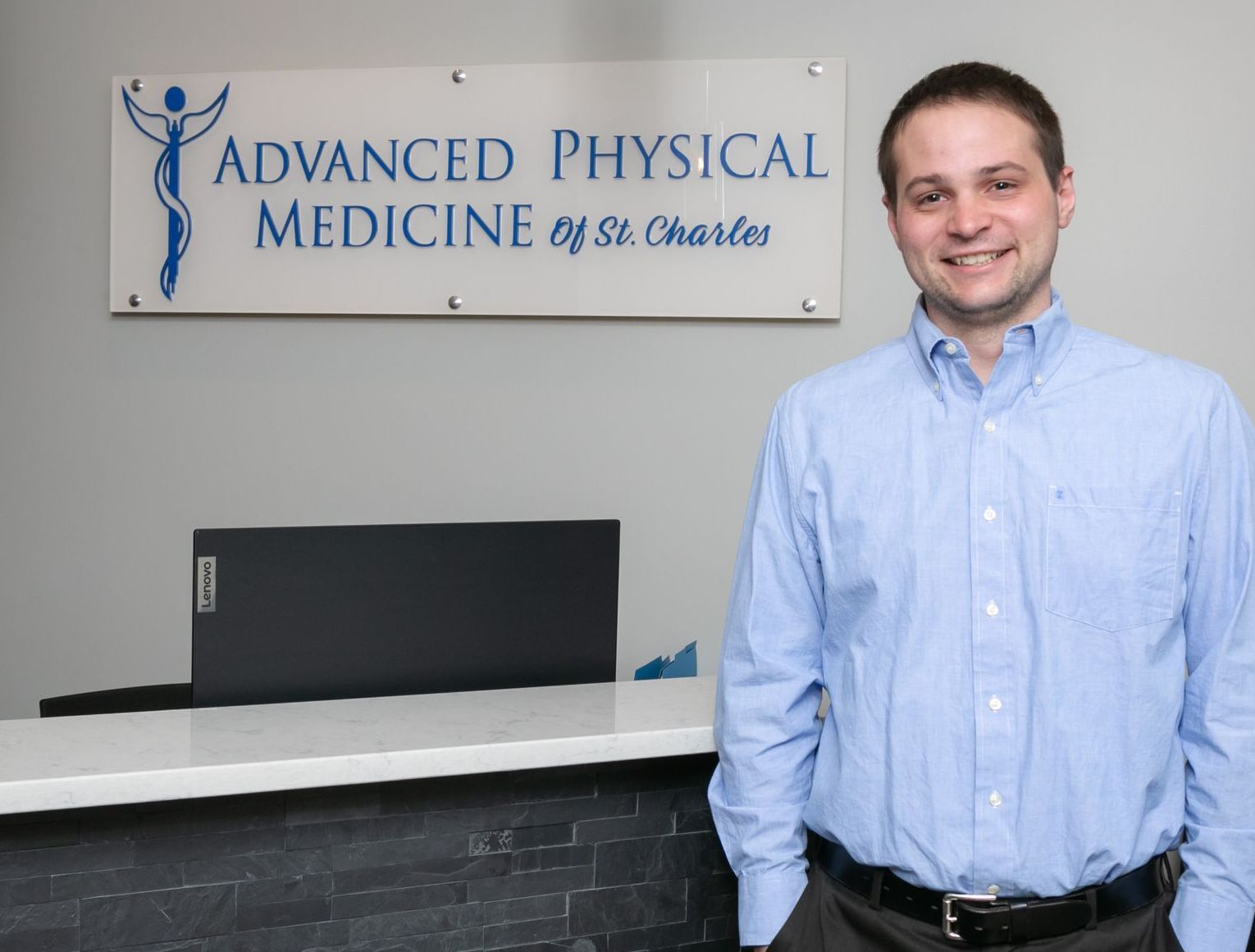
About Dr. Dan
Physical Therapist
Born and raised in St. Charles, Illinois, Dr. Dan initially started with Advanced Physical Medicine as a physical therapy technician in 2014. Since that time, he has earned his Bachelors in Health and Human Sciences from Northern Illinois University prior to attending NIU’s physical therapy program. He earned his Doctorate in Physical Therapy in 2019. He has been a member of the American Physical Therapy Association (APTA) since 2016 and a member of the American Academy of Sports Physical Therapy (AASPT) since 2017.
Connect with Us: