Share this article:
Lower back pain is common, but the cause is not always obvious. A muscle strain and a herniated disc can both create discomfort, stiffness, and limited movement. The difference is that they affect different tissues and may require different treatment approaches. Understanding the signs of each can help you decide when home care may be enough and when it is time to seek professional help.
Muscle Strain vs Herniated Disc: A 30-Second Self-Check
A quick symptom check can help point you in the right direction.
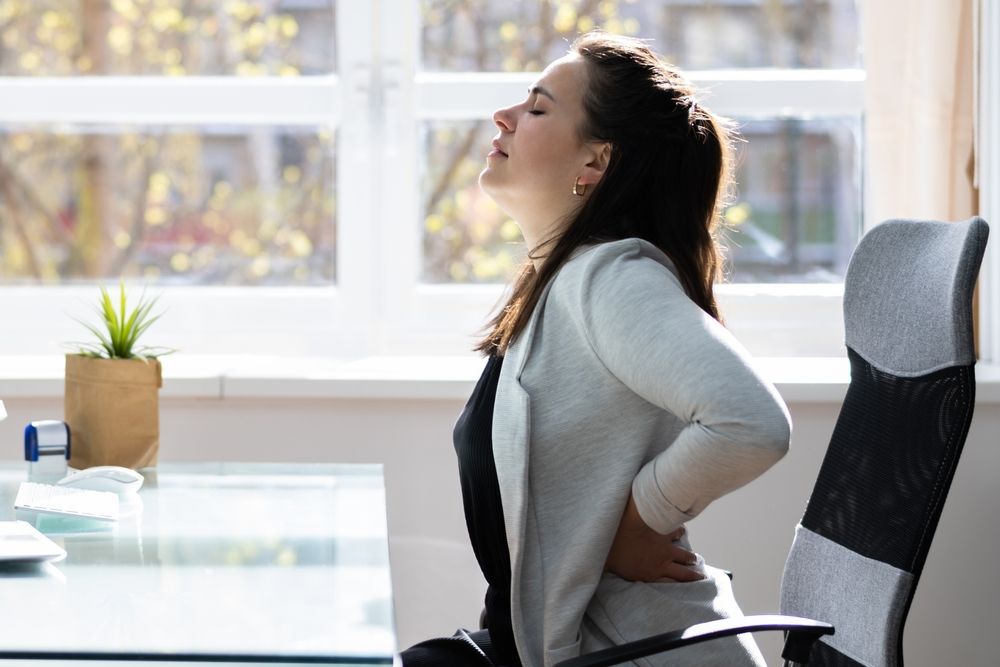
Muscle strains cause pain, which is typically localized to the affected area. You may feel soreness, tightness, or muscle spasm — often following physical activity, heavy lifting, or sudden movement. Symptoms do not travel into the leg.
A herniated disc pain may be local, but a herniated disc can also cause pain that radiates into the buttock, leg, or foot. You may notice numbness, tingling, or weakness along a specific path — often one side of the body. These nerve symptoms occur when the disc presses on a nearby nerve root.
Importantly, not every herniated disc causes radiating symptoms. Some present with local pain only, making it difficult to distinguish from a muscle strain based on symptoms alone. A professional evaluation can provide an accurate diagnosis.
Why One Heals on Its Own and the Other Often Does Not
One major difference between a
muscle strain and a herniated disc is healing potential. Muscles receive a strong blood supply, while spinal discs do not, which helps explain why muscle strains typically improve faster than disc injuries.
Muscle Tissue: Blood Supply, Fast Repair
Muscles have a strong blood supply that delivers the oxygen and nutrients needed for healing. As a result, many mild to moderate muscle strains begin improving within days and continue healing over the following weeks.
Disc Tissue: Poor Blood Supply, Slow Repair
Spinal discs receive very little direct blood flow, making damaged disc tissue much slower to heal. If a disc bulges or herniates and irritates a nearby nerve, symptoms can persist for weeks or months.
This difference in healing potential is one reason muscle strains tend to resolve more quickly than disc-related injuries.
Local Pain vs Radiating Pain: Why the Difference Matters
Where you feel pain is one of the most useful ways to differentiate a muscle strain from a herniated disc.
A muscle strain usually causes localized pain in the neck and back. The discomfort may increase when the affected muscles are stretched or used, but it generally stays in one area.
A herniated disc can irritate a nearby spinal nerve,
causing pain to travel beyond the back. Symptoms in the low back may extend into the buttock, thigh, calf, or foot and can be accompanied by numbness, tingling, or weakness. Symptoms in the neck can cause pain, numbness, and tingling that radiate into the shoulder, arm, and hand. Mid back symptoms are the most commonly missed, as pain wraps around the torso and can mimic heart, lung, or abdominal problems rather than feeling like a typical back issue.
In general, pain that stays in the back points more toward a muscle injury, while pain that radiates into the arm and leg raises suspicion of a disc-related condition.
The Simple Movement Test That Points to a Disc
While this is not a diagnostic test, certain movements can provide insight into the source of your pain.
Bend Forward, Bend Back: What Each Tells You
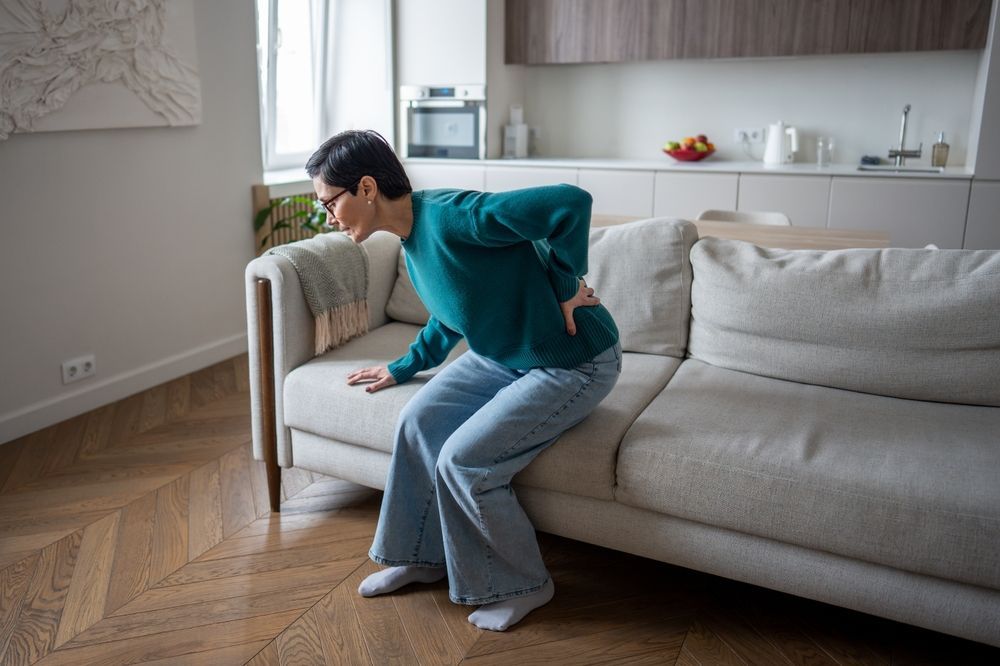
If bending forward significantly increases pain, especially if symptoms travel into the buttock or leg, a disc injury may be involved. Forward bending places additional pressure on the spinal discs, which can aggravate an existing herniation.
If pain remains localized to the lower back and changes little with movement, a muscle strain may be more likely.
Because multiple conditions can cause similar symptoms, movement testing should be viewed as a screening tool rather than a diagnosis. A professional evaluation can determine the exact cause of your pain and the most appropriate treatment plan.
What Recovery Looks Like in Week 1, Week 3, and Beyond
Recovery timelines can vary, but muscle strains and herniated discs tend to follow different patterns.
Week 1: A muscle strain may feel painful and stiff, especially during movement, but symptoms frequently begin improving within the first several days. A herniated disc may continue causing back pain, leg pain, or nerve symptoms.
Week 3:
Many muscle strains show significant improvement at this stage. If pain remains unchanged or continues radiating into the leg, a disc injury becomes more likely.
Beyond Week 3:
Persistent pain, numbness, tingling, or weakness should not be ignored. A professional evaluation can identify the cause of your symptoms and help prevent a short-term injury from becoming a long-term problem.
When Home Care Is Enough, and When It Is Not
Many mild muscle strains respond well to rest, gentle movement, and activity modification. If symptoms improve steadily during the first one to two weeks, home care may be appropriate.
However, professional care is recommended if pain persists, worsens, or begins traveling into the buttock or leg. Numbness, tingling, and weakness can indicate nerve involvement and should be evaluated promptly.
The sooner the source of your back pain is identified, the sooner you can begin treatment that supports a safe and lasting recovery.
How APM Treats Muscle Strain vs Herniated Disc
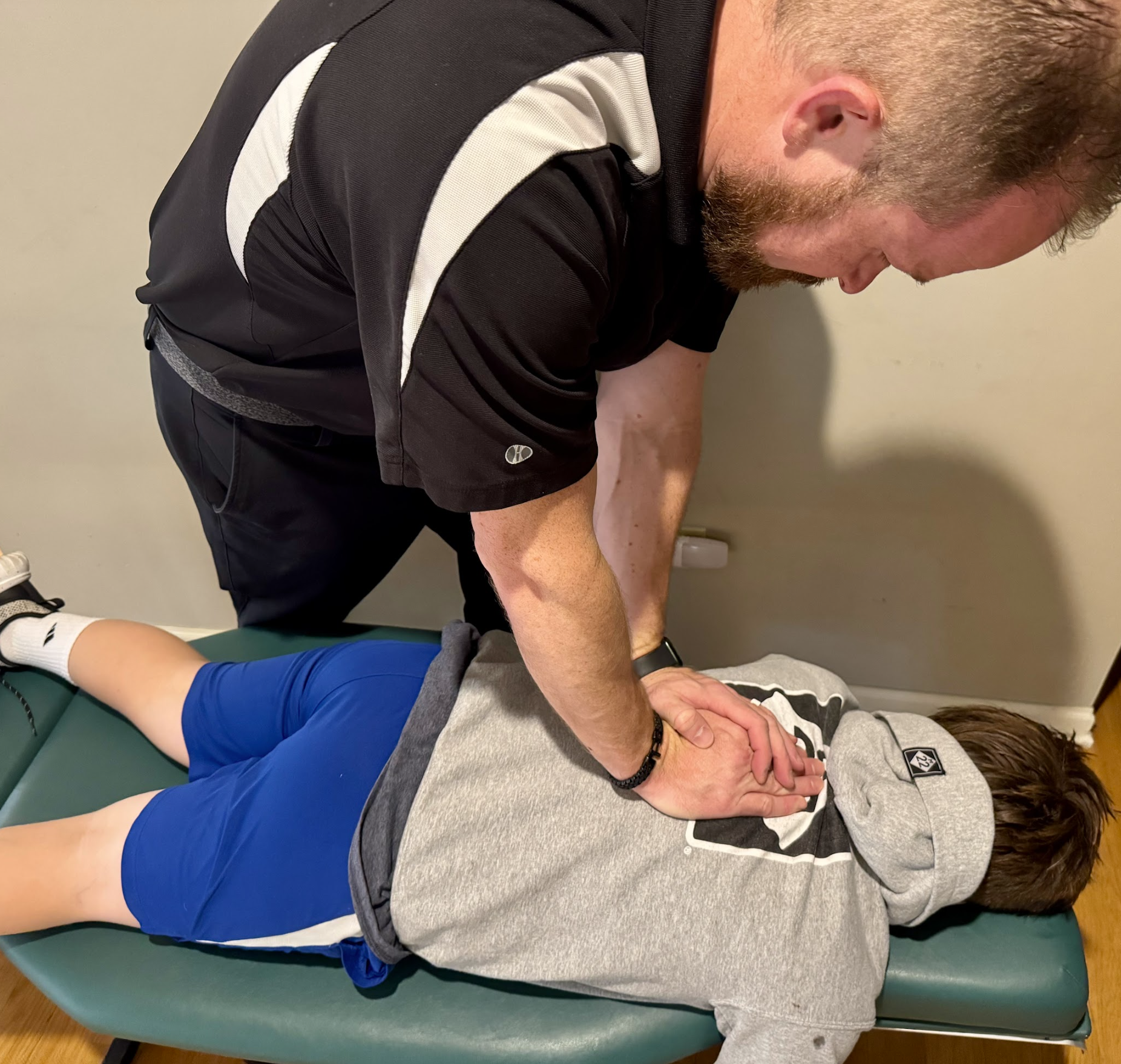
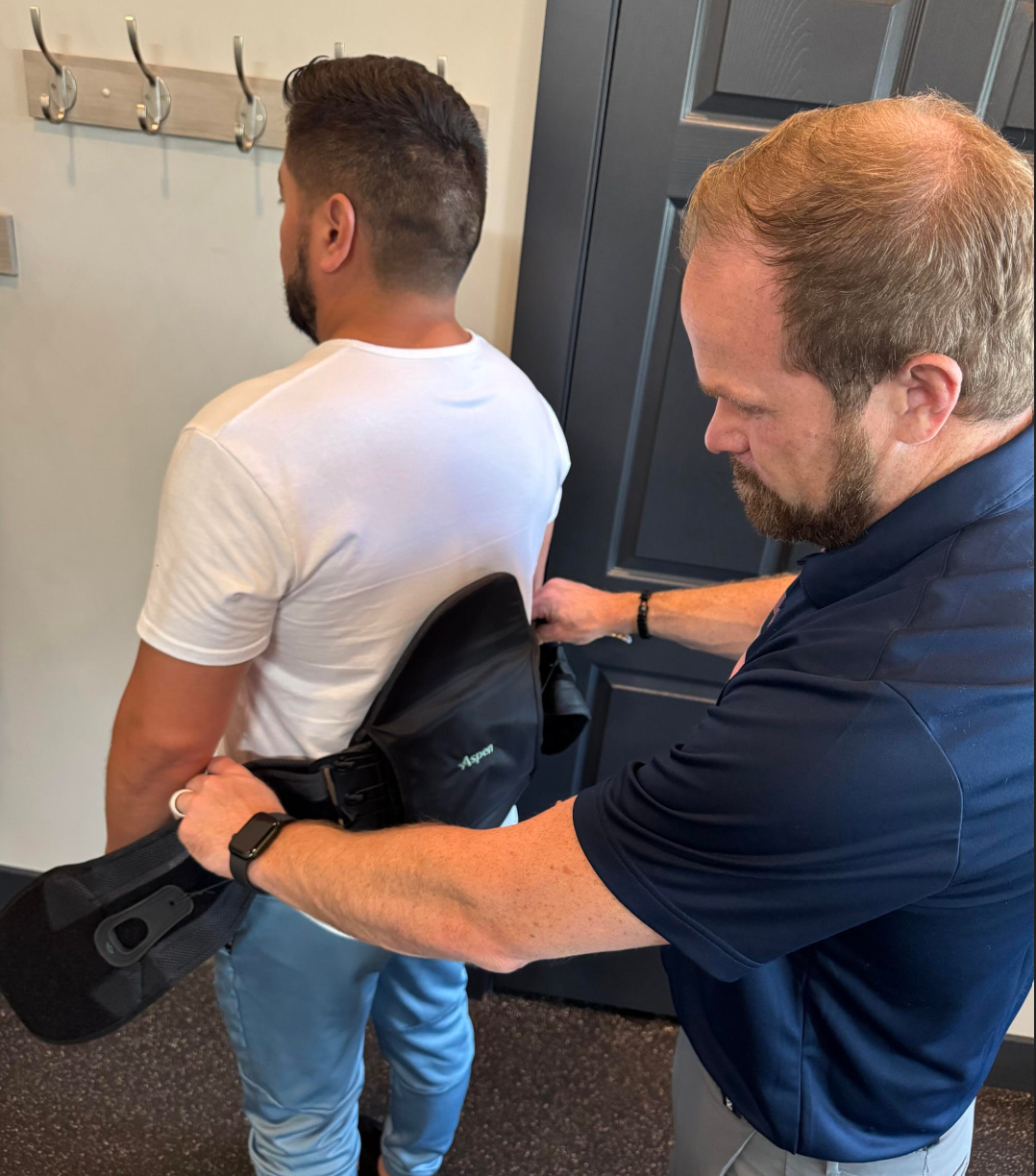
At Advanced Physical Medicine of St. Charles, treatment starts with identifying the source of your pain.
Muscle strains may respond well to physical therapy and other conservative treatments that help restore mobility and strength. Herniated discs often require a more targeted approach focused on relieving nerve irritation and improving spinal function.
Depending on your condition, care may include
physical therapy, chiropractic treatment, acupuncture, or a combination of services. Our goal is to help patients find relief and recover without invasive procedures whenever possible.
Habits That Quietly Raise Your Risk for Both Injuries
Many back injuries develop over time rather than from a single event. Poor posture, prolonged sitting, repetitive lifting, and weak core muscles can place added stress on both the muscles and spinal discs.
Lack of regular movement can also reduce flexibility and make the back more vulnerable to injury during everyday activities. Making small changes to your posture, exercise routine, and lifting mechanics can help reduce strain on the spine and lower your risk of future problems.
Book a Back Pain Evaluation in St. Charles Today
If you are struggling to determine if your symptoms are related to a muscle strain or a herniated disc, an accurate diagnosis is the first step toward recovery. At Advanced Physical Medicine of St. Charles, our team provides comprehensive evaluations and personalized treatment plans designed to address the source of your pain.
Experience the difference at Advanced Physical Medicine of St. Charles. Contact our team today to schedule a back pain evaluation and learn why so many patients trust us for physical therapy, chiropractic care, acupuncture, and other conservative treatment options.
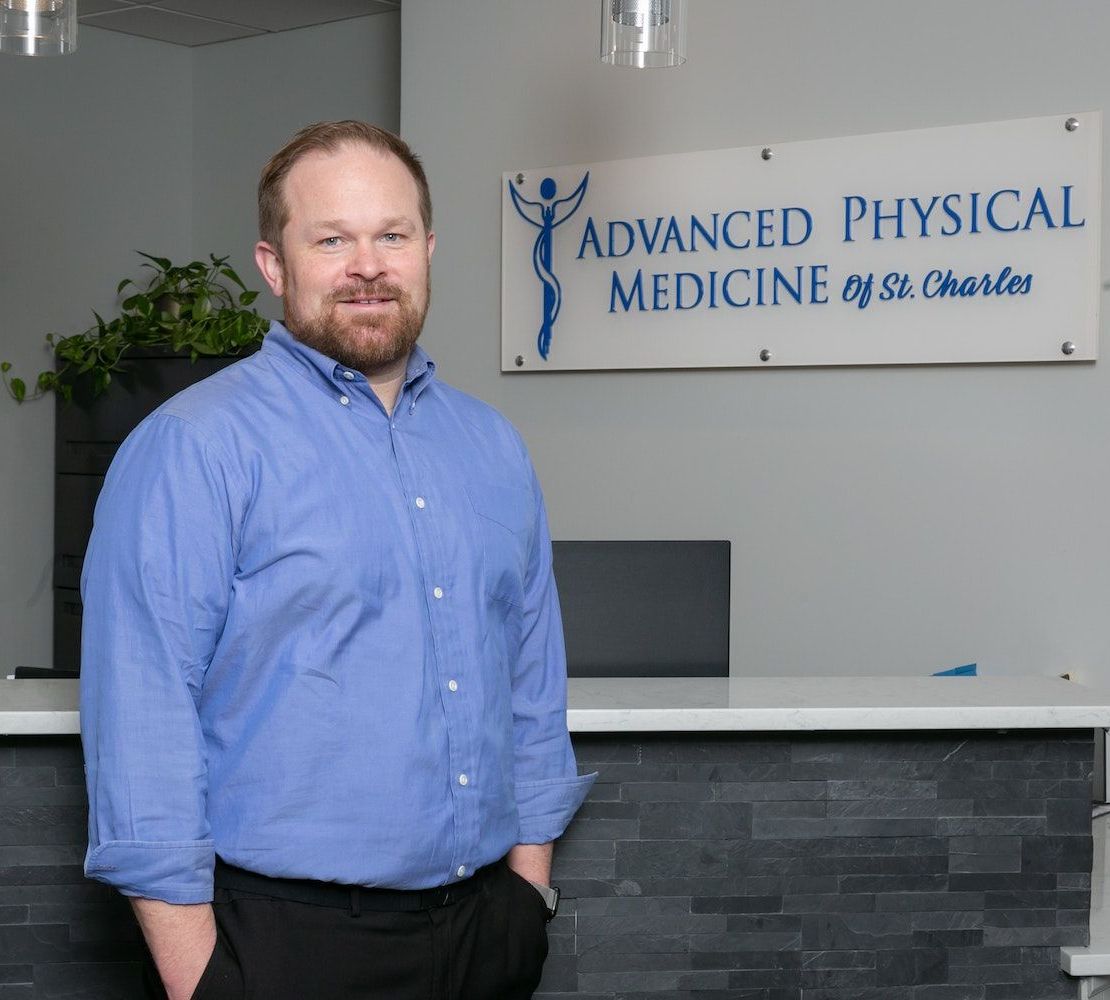
About Dr. Glenn
Board Certified Chiropractic Physician | Certified in Acupuncture
Born and raised in Oakland, Michigan, Dr. Glenn played competitive soccer for 12 years while being a 3 year varsity player and winning the Division 1 State Championship his senior year of high school. He attended Michigan State University, while earning his Bachelors of Science in human biology. He then attended National University of Health Sciences in Lombard, IL while earning a second Bachelors degree in human biology and his Doctorate in Chiropractic Medicine. He became certified in acupuncture through the post-graduate program at Lincoln College.
Connect with Us: