Share this article:
Written by: Advanced Physical Medicine
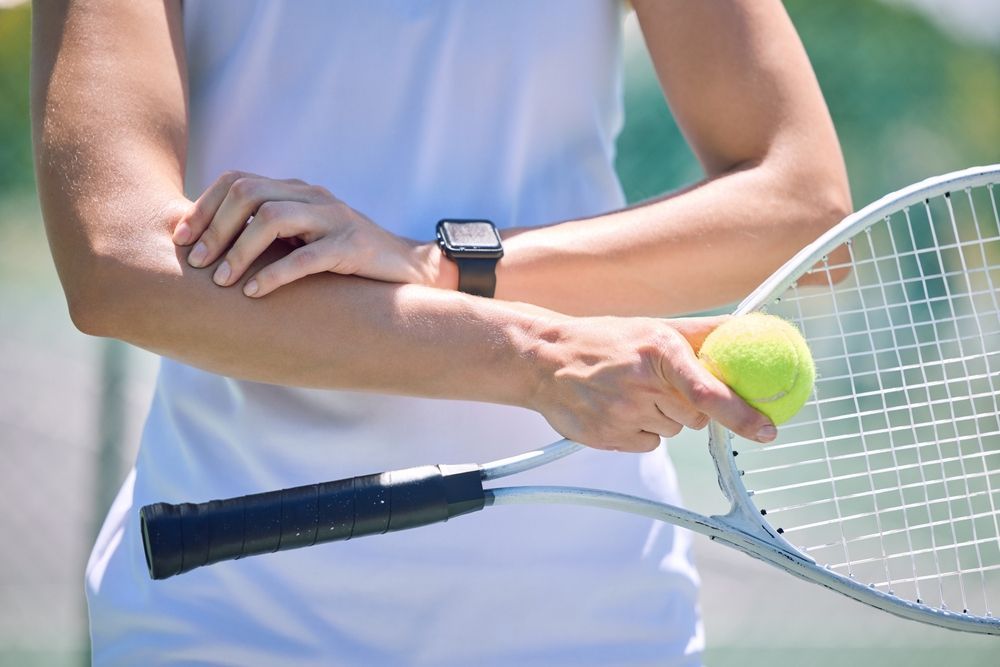
Experienced tennis players love the thrill of the game — the intensity of the serve, the focus that is required, and the competition that results. However, they also know that there are risks involved in playing their favorite sport.
Tennis elbow is a common injury among tennis players, resulting in
pain in the elbow, forearm, and wrist. Fortunately, you can learn how to heal tennis elbow fast when you work with an experienced physical therapist.
What is Tennis Elbow?
Lateral epicondylitis, commonly referred to as tennis elbow, is a medical condition that occurs when the tendons and muscles between the wrist and elbow become inflamed. It earned its nickname due to the fact that tennis players are particularly prone to this condition, as they frequently and repeatedly bend their wrists backward as they are playing the game. However, anyone who makes similar repeated motions on a daily basis, such as contractors who work with heavy tools regularly, may be prone to tennis elbow.
What Causes Tennis Elbow?
Tennis elbow is caused by repeated motion and overuse of the same muscles and tendons in the wrist. While it is referred to as tennis elbow, and it can cause elbow pain, it is actually linked to the repeated bending of the wrist backward, toward the palm.
Signs and Symptoms
The signs and symptoms of tennis elbow will vary based on the individual and the severity of the condition. The most common signs and symptoms of tennis elbow include:
- Pain near the forearm and elbow.
- A burning sensation near the outside of the elbow.
- Pain that extends down from the elbow to the wrist.
- Persistent pain in the affected area, even during rest.
- Progressive pain that becomes worse over time.
- Pain while gripping an object.
- Weakness while trying to grip an object.

Tennis elbow can make it difficult not only to play tennis or to repeat the motion that caused tennis elbow but also to perform daily activities, such as:
- Shaking hands with someone.
- Grabbing onto and holding a coffee mug or glass of water.
- Turning a key or doorknob.
What to Expect from a Diagnosis
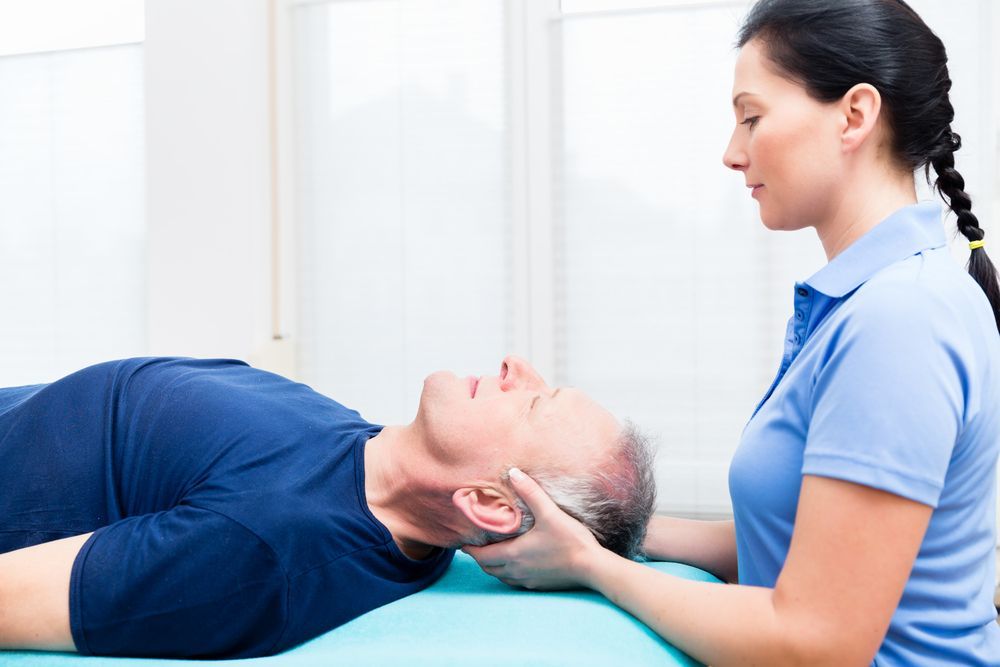
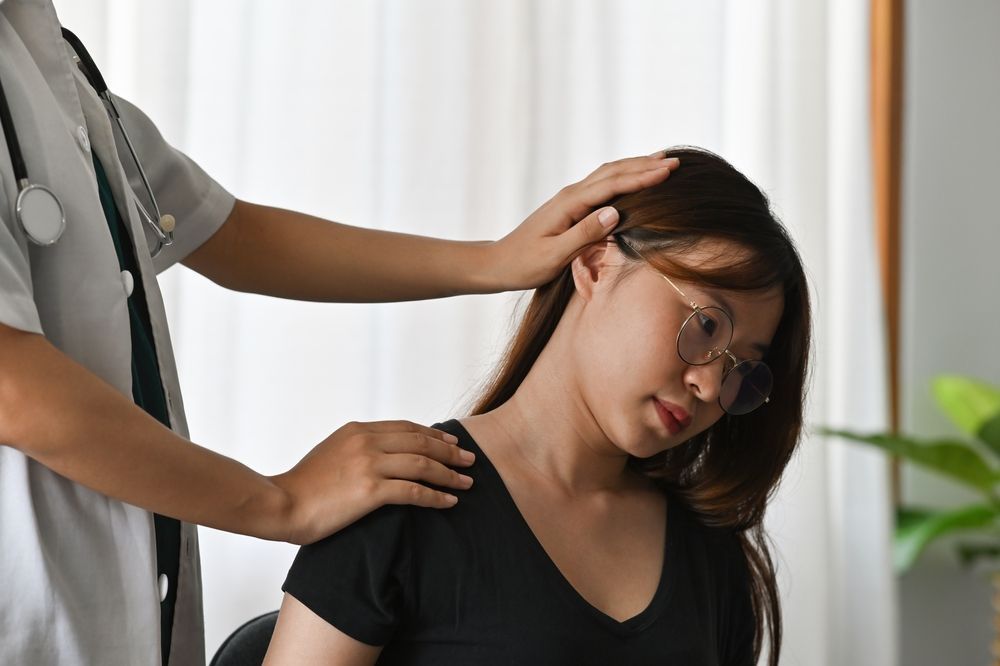
If you are experiencing the signs and symptoms of tennis elbow, then it's best to get in contact with a sports rehabilitation specialist as soon as possible. A physical therapist who specializes in sports rehabilitation will ensure that you are properly diagnosed and subsequently receive the treatment plan that you need to get back to playing your favorite sport as soon as possible.
In order to properly diagnose you, your physical therapist will discuss your medical history, and your recent activity along with completing a thorough physical therapy exam. Additional tests, such as an X-ray or MRI, also may be required. If you are diagnosed with tennis elbow, then your physical therapist will create a comprehensive, personalized treatment plan to address your specific concerns and issues.
Treatment and Recovery
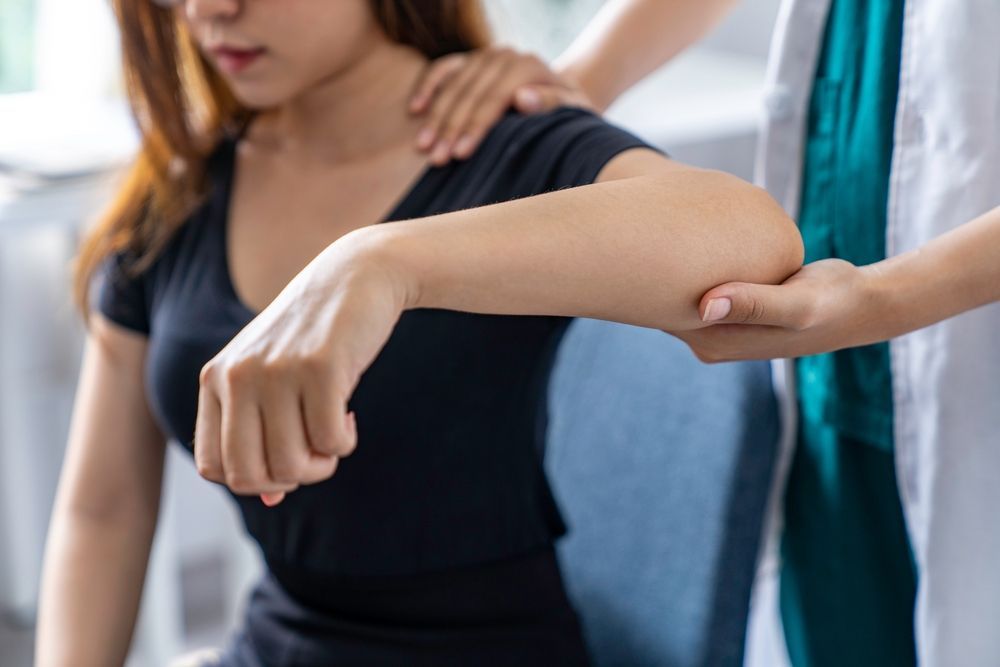
In some cases, mild tennis elbow will improve on its own, but only if you rest the elbow and stop the activities that are causing the repeated motions. If you want to fully recover from tennis elbow, and prevent the pain from becoming worse over time, you will want to consider physical therapy.
Treatment for tennis elbow often involves:
- Refraining from the activity that is causing the condition while you receive treatment.
- Resting the elbow, and icing it regularly.
- Taking pain medication, such as ibuprofen, to reduce swelling and inflammation.
- Completing strengthening exercises that will help repair and restore the inflamed tendons and muscles.
- Using a compression bandage to help reduce additional swelling.
Follow a Tennis Elbow Self-Care Routine
Fortunately, you can prevent tennis elbow from occurring by following a tennis elbow self-care routine. Whether you are playing tennis daily or working with tools regularly for an ongoing house project, you can help reduce your risk of developing tennis elbow by:
- Prioritizing strength training exercises to protect the muscles and tendons in your arm.
- Trying to avoid repeated motions — take breaks from tennis in order to give your body time to rest and heal.
- Investing in the right tennis equipment. A high-quality racket that is sized appropriately for you will protect your body and improve your overall game.
Ongoing physical therapy will allow you to complete targeted exercises that are best for the activities that you enjoy regularly.
How Long Does Tennis Elbow Take to Heal?
The recovery time for tennis elbow varies from one person to the next, depending on the root cause and severity of the condition. Some people can heal from tennis elbow within a few months, while others may not fully recover for up to 18 months. Generally speaking, working with a physical therapist can help expedite the healing process and allow you to get back to playing as soon as possible.
Some of the factors that will impact the overall recovery timeline include:
- The cause of the condition.
- Your age and overall health.
- The severity of the damage to the muscles and tendons.
- The type of treatment that is required.
When to See a Specialist
You should see a specialist if you are experiencing ongoing
elbow and wrist pain that is getting progressively worse, particularly if you are experiencing pain while resting.
Need to Heal Tennis Elbow Fast? Visit Advanced Physical Medicine
Tennis elbow can be a debilitating and frustrating condition, and it will get progressively worse if left untreated. If you want to learn how to heal tennis elbow fast, then you need to partner with the experienced physical therapy team at Advanced Physical Medicine. Our team of licensed physical therapists will work with you to determine the root cause of your tennis elbow and create a comprehensive treatment plan that will reduce your pain and restore your mobility, allowing you to get back on the court as soon as possible.
Request an appointment today, and learn more about our comprehensive, holistic healthcare services.
Connect with Us: