Share this article:
What That Overhead Shoulder Click Actually Is
A clicking or popping sound during overhead movement usually comes from tendons or joint structures shifting inside the shoulder. If the noise happens without pain, weakness, or limited movement, it is often related to normal shoulder mechanics.
The shoulder contains several moving parts inside a small space. During reaching motions, tendons glide across bone and soft tissue, which can create a snapping or clicking sound. Some people notice it during exercise, while others hear it reaching into cabinets or putting on clothes.
Pain, stiffness, instability, or reduced range of motion are more concerning signs that deserve attention.
What's Happening Inside Your Shoulder When It Clicks
The shoulder relies on muscles, tendons, cartilage, and joints working together smoothly during movement. When one structure shifts slightly out of rhythm, it can create a clicking or popping sound.
In many cases, the noise comes from tendons moving across bone during overhead motion. Tight muscles or poor shoulder blade movement can increase friction and make those sounds more noticeable. Small gas bubbles inside the joint may create popping sounds, too, similar to cracking your knuckles.
Sometimes the click develops after repetitive overhead activity, heavy lifting, or long periods of poor posture. Over time, those movement patterns may place extra stress on the shoulder joint and surrounding tissues.
Why Overhead Reaching Triggers the Loudest Clicks
Overhead movement places the shoulder in its most compressed position. Tendons and soft tissue pass through tighter spaces while the joint rotates and stabilizes the arm at the same time.
If the shoulder blade is not moving properly, the tendons may rub or snap during the motion. Weak rotator cuff muscles, tight chest muscles, and repetitive overhead activity can all contribute to louder clicking sounds.
Many people notice the noise most during reaching, throwing, lifting weights, or sports that involve repeated arm motion overhead. Desk posture can play a role, too. Rounded shoulders may change how the shoulder blade tracks during movement, which increases stress inside the joint.
A single painless click usually is not alarming. Frequent clicking paired with discomfort, catching, or weakness may point to irritation that deserves a professional evaluation.
When a Clicking Shoulder Is Harmless vs. a Warning Sign
A painless shoulder click is usually harmless if you still have normal strength, mobility, and daily function. Some shoulders naturally make noise during movement, especially after exercise or repetitive overhead activity.
The sound becomes more concerning when it happens alongside pain, weakness, stiffness, swelling, or a feeling that the shoulder could slip out of place. Catching sensations or a limited range of motion may point to irritation inside the joint.
Pay attention to changes over time. A shoulder that becomes louder, more frequent, or uncomfortable during reaching may benefit from an evaluation before the issue progresses.

Conditions That Cause Overhead Shoulder Clicking
Several shoulder conditions can create clicking or popping during overhead movement. Some involve mild irritation, while others affect joint stability or tendon function.
Rotator Cuff Irritation
The rotator cuff helps stabilize the shoulder during reaching and lifting. Inflamed or strained tendons may create friction during movement, especially overhead.
Shoulder Impingement
Impingement happens when soft tissue becomes compressed inside the shoulder joint. This may lead to clicking, pinching, or discomfort during reaching motions.
Labral Irritation
The labrum is a ring of cartilage that helps hold the shoulder joint in place. Small tears or irritation can create catching, popping, or instability sensations.
Shoulder Instability
Loose joint mechanics may allow the shoulder to shift slightly during movement. Some people describe this feeling alongside clicking or clunking overhead.
Try This Self-Check Before You See a Clinician
Use this quick checklist to see how your shoulder responds during movement:
- Raise your arm overhead slowly. Notice when the clicking happens.
- Compare both shoulders for differences in motion or strength.
- Pay attention to pain, catching, or feelings of instability.
- Test common movements like reaching into cabinets or lifting a bag.
- Notice if the shoulder feels tighter after workouts or long periods sitting at a desk.
Occasional clicking without pain may not be serious. A shoulder that feels weak, unstable, stiff, or painful during movement should be evaluated.
Exercises That Quiet a Clicking Shoulder
Targeted exercises may help improve shoulder mechanics and reduce clicking during overhead movement. The goal is to improve shoulder blade control, mobility, and rotator cuff strength.
Wall Slides
Stand against a wall with your forearms resting lightly against the surface. Slowly slide your arms overhead while keeping your shoulders relaxed. This movement helps train the shoulder blade to move more smoothly during reaching motions.
Band Pull-Aparts
Hold a resistance band at chest height and gently pull your hands apart until your shoulder blades squeeze together. This exercise strengthens the upper back muscles that support posture and shoulder stability.
Doorway Chest Stretch
Place your forearm against a doorway and step forward slowly until you feel a stretch across the chest and front of the shoulder. Tight chest muscles can pull the shoulders forward and increase joint irritation.
External Rotation Exercises
Keep your elbow close to your side while rotating your forearm outward against light resistance from a band. This movement targets the rotator cuff muscles that help stabilize the shoulder during overhead activity.
Start slowly and focus on smooth shoulder movement instead of pushing through discomfort.
How APM Treats Shoulder Issues in St. Charles
At Advanced Physical Medicine of St. Charles, shoulder treatment starts with identifying how the joint moves during real-world activity. Restricted mobility, muscle imbalance, posture issues, and repetitive overhead strain can all affect shoulder function differently from person to person.
Treatment may include
hands-on therapy, targeted strengthening exercises, chiropractic care,
mobility work, and movement retraining focused on improving shoulder coordination. Patients recovering from sports injuries, workplace strain, or long-term shoulder tightness may benefit from a conservative treatment approach designed to restore comfortable movement.
Experience the difference at Advanced Physical Medicine of St. Charles. If shoulder clicking has started interfering with workouts, lifting, reaching, or daily activities, schedule an evaluation today.


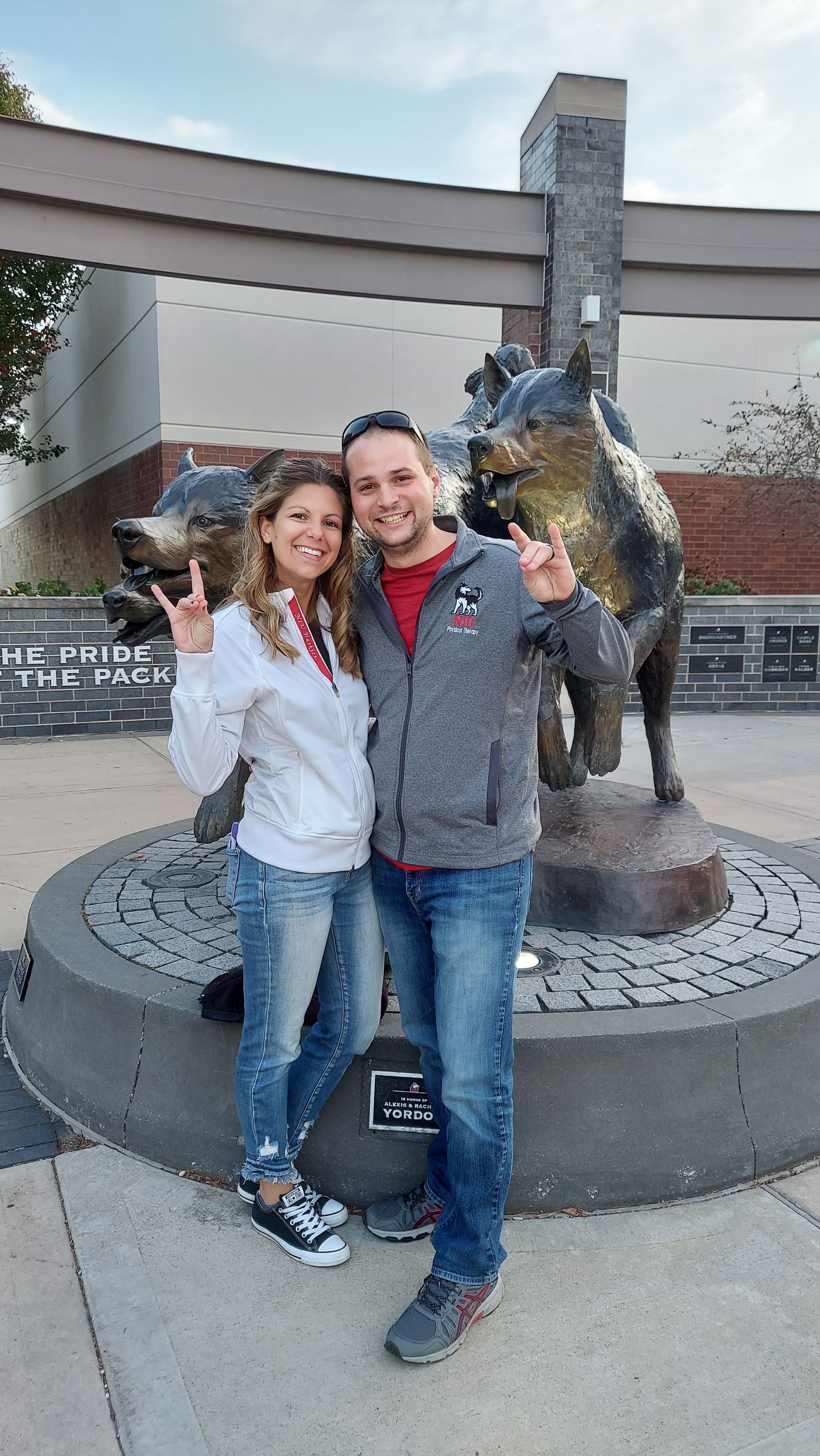
About Dr. Dan
Physical Therapist
Born and raised in St. Charles, Illinois, Dr. Dan initially started with Advanced Physical Medicine as a physical therapy technician in 2014. Since that time, he has earned his Bachelors in Health and Human Sciences from Northern Illinois University prior to attending NIU’s physical therapy program. He earned his Doctorate in Physical Therapy in 2019. He has been a member of the American Physical Therapy Association (APTA) since 2016 and a member of the American Academy of Sports Physical Therapy (AASPT) since 2017.
Connect with Us: