Share this article:
Musculoskeletal injuries can interfere with daily life by limiting movement, causing pain, and reducing physical function. When these conditions are not properly addressed, even relatively minor injuries can develop into persistent discomfort or long-term mobility challenges.
Physical therapy is a research-supported treatment designed to restore strength, improve mobility, and promote healthy movement patterns after injury. Through guided exercise, manual therapy techniques, and structured rehabilitation programs, patients can recover more effectively while reducing the risk of future complications.
Sprains and Strains Affecting Muscles and Ligaments
Sprains and strains are among the most common injuries that require physical therapy. A sprain involves the stretching or tearing of ligaments that stabilize joints, while a strain affects muscles or tendons responsible for movement.
These injuries may occur during sports, sudden movements, falls, or improper lifting and frequently affect the ankles, wrists, knees, and hamstrings. Symptoms may include pain,
swelling, bruising, and restricted movement.
Physical therapy helps injured tissues heal properly while restoring joint function. Rehabilitation may include controlled movement, flexibility training, and progressive strengthening to improve stability and reduce stress on the injured area. Clinical research shows structured rehabilitation can improve recovery and reduce the likelihood of reinjury.
Rotator Cuff Injuries and Shoulder Impingement
Shoulder injuries are another common reason patients seek treatment for injuries that require physical therapy. Two of the most common conditions are rotator cuff injuries and shoulder impingement.
The rotator cuff consists of four muscles and tendons that stabilize the shoulder and allow the arm to lift and rotate. Injuries may occur from trauma, repetitive overhead motion, or gradual wear. Shoulder impingement develops when rotator cuff tendons become compressed within the shoulder joint, leading to irritation and inflammation.
Symptoms may include pain when lifting the arm, reduced shoulder strength, limited range of motion, and discomfort when sleeping on the affected side.
Treatment focuses on improving shoulder mechanics and reducing strain on the rotator cuff tendons. Programs typically include mobility exercises, strengthening of the shoulder and upper back muscles, and movement training to promote healthier joint function.
Knee Injuries Including ACL Tears and Meniscus Damage
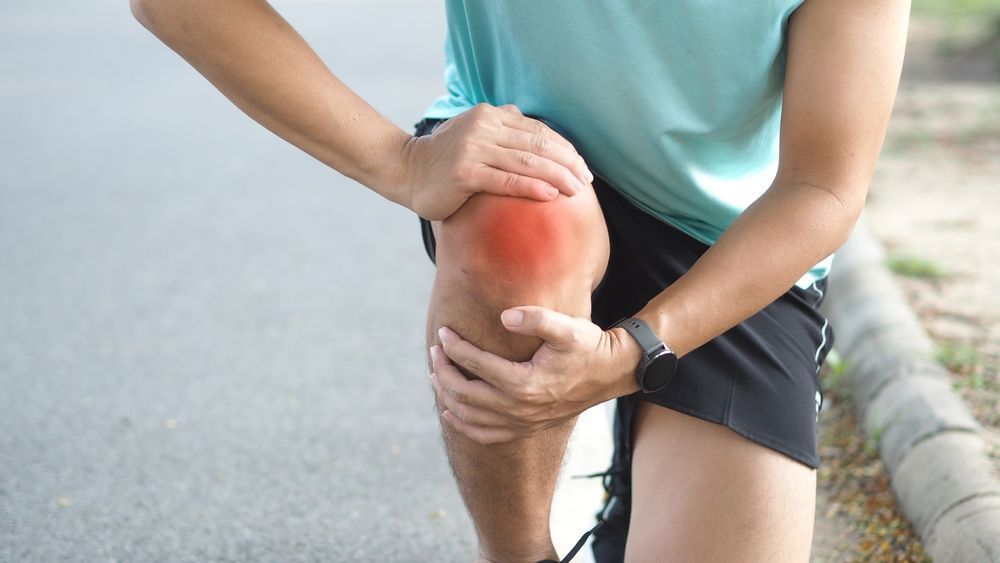
Knee injuries are among the most common physical therapy injuries. The knee absorbs significant force during movements such as running, jumping, and sudden changes in direction.
Two frequently treated knee conditions are
anterior cruciate ligament (ACL) injuries and meniscus tears. The ACL stabilizes the knee joint and may be injured during rapid pivoting or abrupt stops. The meniscus is cartilage that cushions the joint between the thigh bone and shin bone and may be damaged during twisting movements or gradual wear.
Patients with these injuries may experience knee pain, swelling, joint instability, or difficulty bending and straightening the leg. Rehabilitation focuses on improving knee stability and restoring proper movement patterns. Structured therapy may strengthen the muscles that support the knee and improve joint function.
Lower Back and Neck Pain from Acute or Chronic Conditions
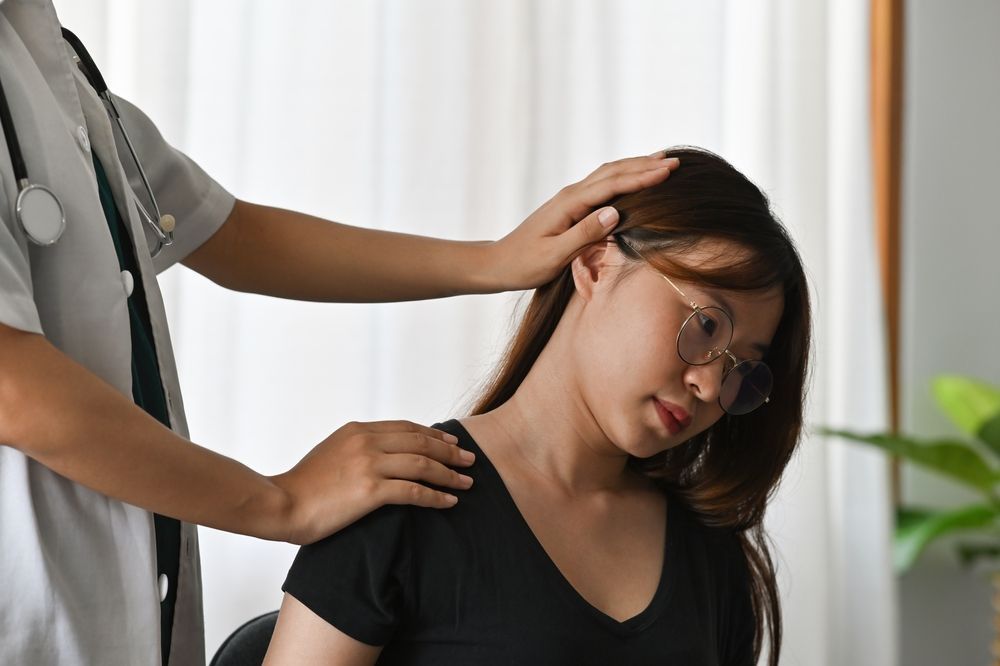
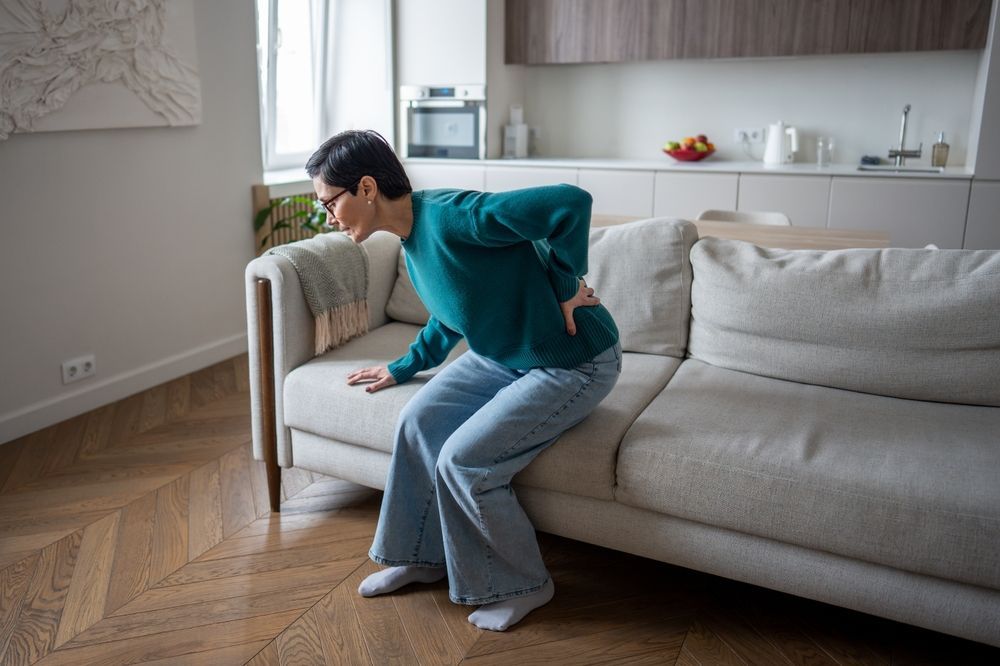
Lower back and neck pain are among the most common musculoskeletal conditions treated with physical therapy. These issues may develop suddenly due to injury or gradually from poor posture, repetitive movements, or degenerative changes in the spine.
Acute pain may occur after lifting heavy objects, sudden twisting movements, or accidents. Chronic discomfort may develop from prolonged sitting, improper ergonomics, or weakened supporting muscles.
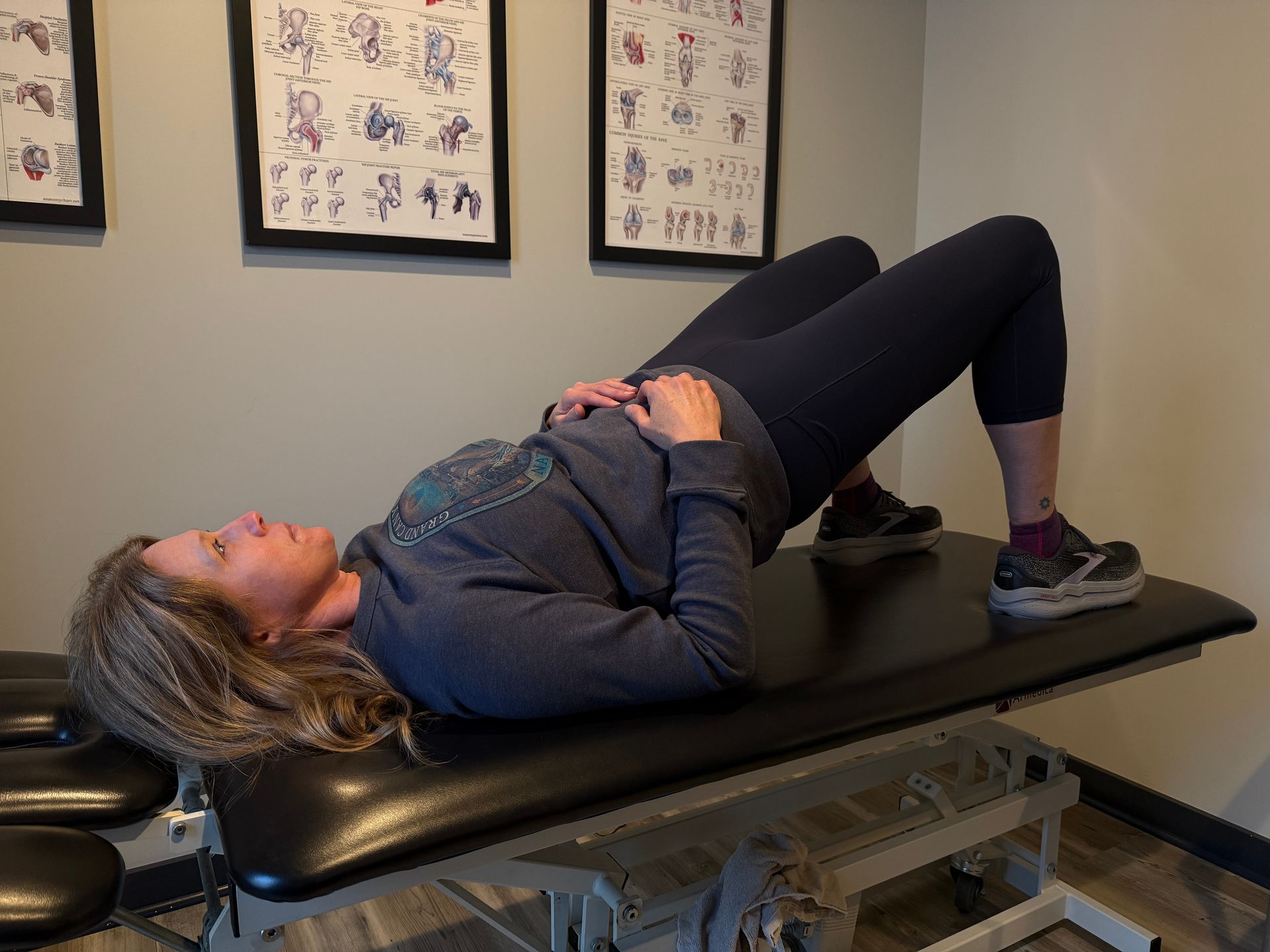
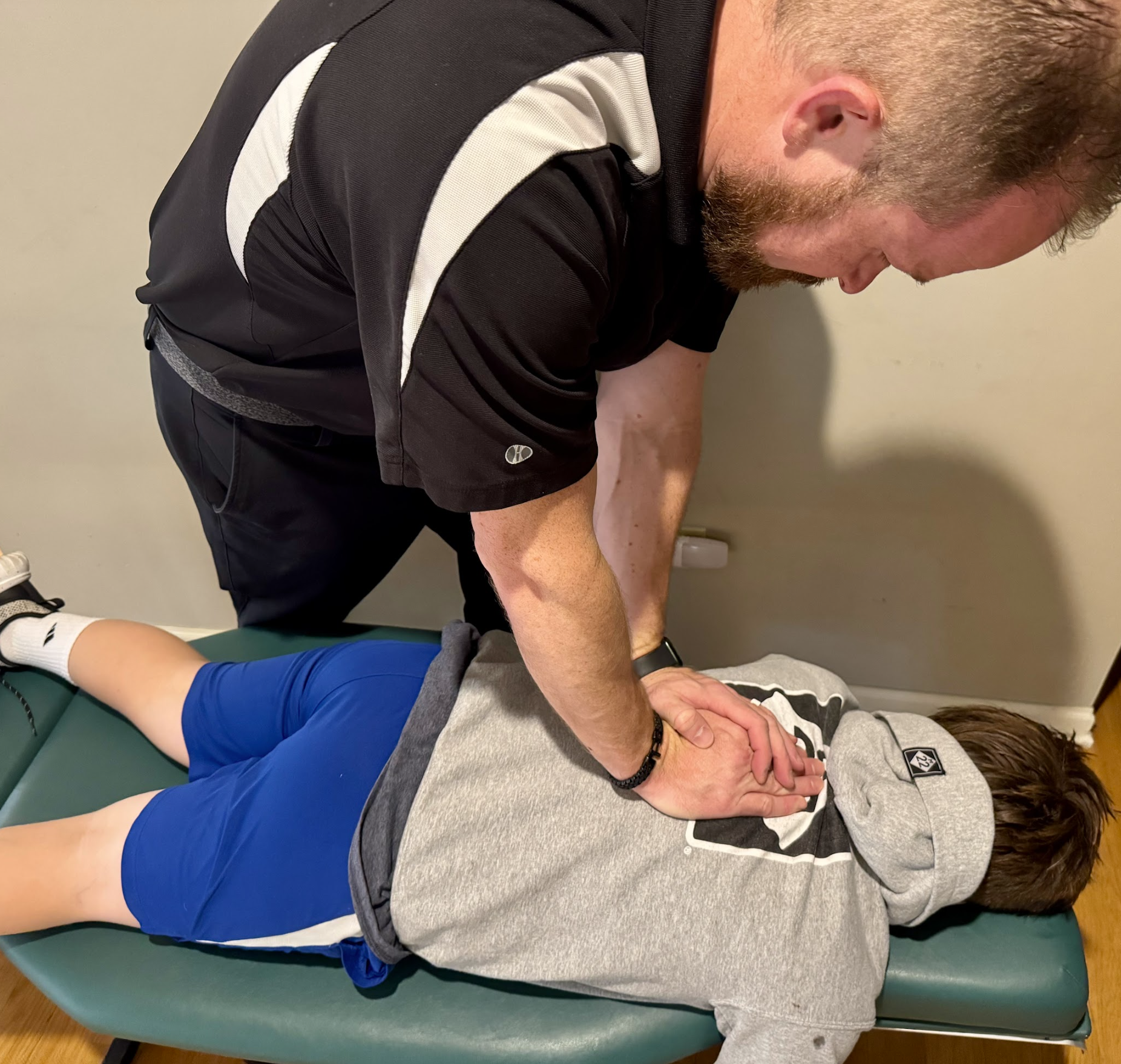
Physical therapy addresses mechanical factors that contribute to spinal discomfort. Treatment may include strengthening of core and postural muscles, flexibility exercises, and movement training designed to improve spinal alignment during everyday activities. Improving spinal movement and load distribution helps reduce strain on surrounding muscles and joints.
Sports-Related Overuse Injuries
Sports and repetitive physical activity can place significant stress on muscles, tendons, and joints. Over time, repeated strain without adequate recovery may lead to overuse injuries that develop gradually.
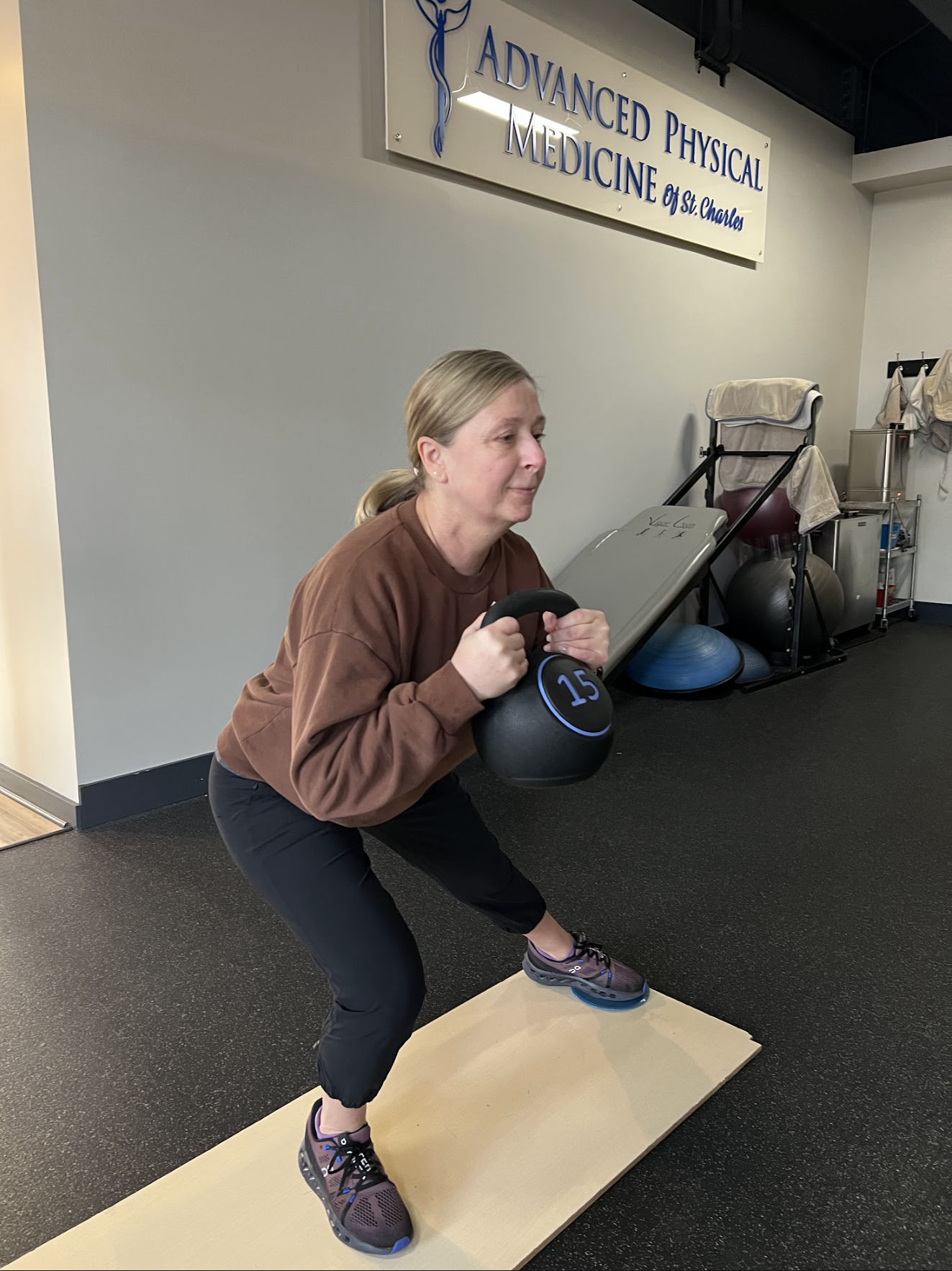
Common examples include tendonitis, shin splints, tennis elbow, and runner’s knee. Athletes and active individuals may notice persistent soreness, localized pain during activity, swelling, or reduced performance.
Treatment focuses on identifying movement patterns that contribute to excess strain on the body. Rehabilitation programs may include targeted strengthening, flexibility training, and movement analysis to improve biomechanics and reduce stress on the affected tissues.
Post-Surgical Orthopedic Rehabilitation
Recovery after orthopedic surgery is another situation where rehabilitation plays an essential role. Procedures involving the knee, shoulder, spine, or other joints frequently require guided therapy to restore normal movement and function.
Following surgery, patients may experience reduced strength, limited mobility, joint stiffness, and difficulty returning to regular activities. Structured rehabilitation helps the body gradually adapt during the healing process while protecting the surgical site.
Treatment programs typically progress through several stages of recovery. Early care may focus on restoring a gentle range of motion and reducing stiffness. As healing continues, strengthening exercises and functional movement training are introduced to improve stability and rebuild confidence in the affected joint. This gradual progression allows patients to safely return to daily tasks, work responsibilities, and recreational activities.
Work-Related and Personal Injury Conditions
Workplace accidents and personal injuries can affect muscles, joints, ligaments, and other soft tissues throughout the body. Incidents such as lifting accidents, repetitive job tasks, slips and falls, or motor vehicle collisions may lead to back injuries, shoulder strains, joint sprains, and other soft tissue damage that interfere with daily movement.
Individuals dealing with work-related or accident-related conditions may experience pain, reduced mobility, weakness, or difficulty performing normal work or household activities. Without proper care, these problems can lead to ongoing functional limitations.
Rehabilitation focuses on restoring strength, improving mobility, and helping patients regain normal function after work-related or personal injuries. Treatment plans are tailored to the specific condition and the physical demands of a patient’s daily life, allowing individuals to safely return to work and regular routines.
If you are recovering from an injury or experiencing ongoing pain, early evaluation can make a meaningful difference. Experience the difference at Advanced Physical Medicine of St. Charles. See for yourself why our patients say Advanced Physical Medicine of St. Charles is the best physical therapy and chiropractic office around. Schedule an evaluation today and take the first step toward returning to a healthier, more active life.
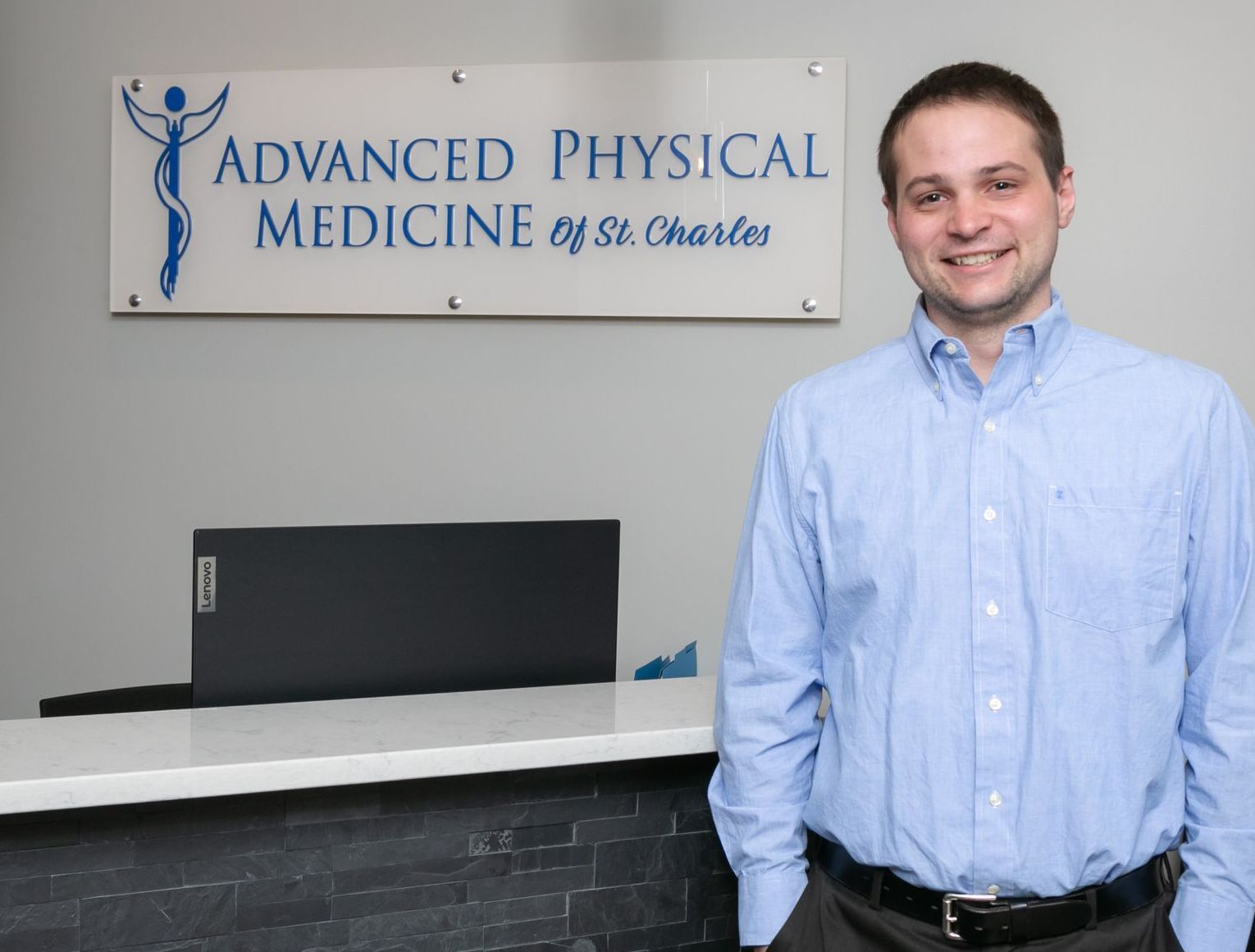
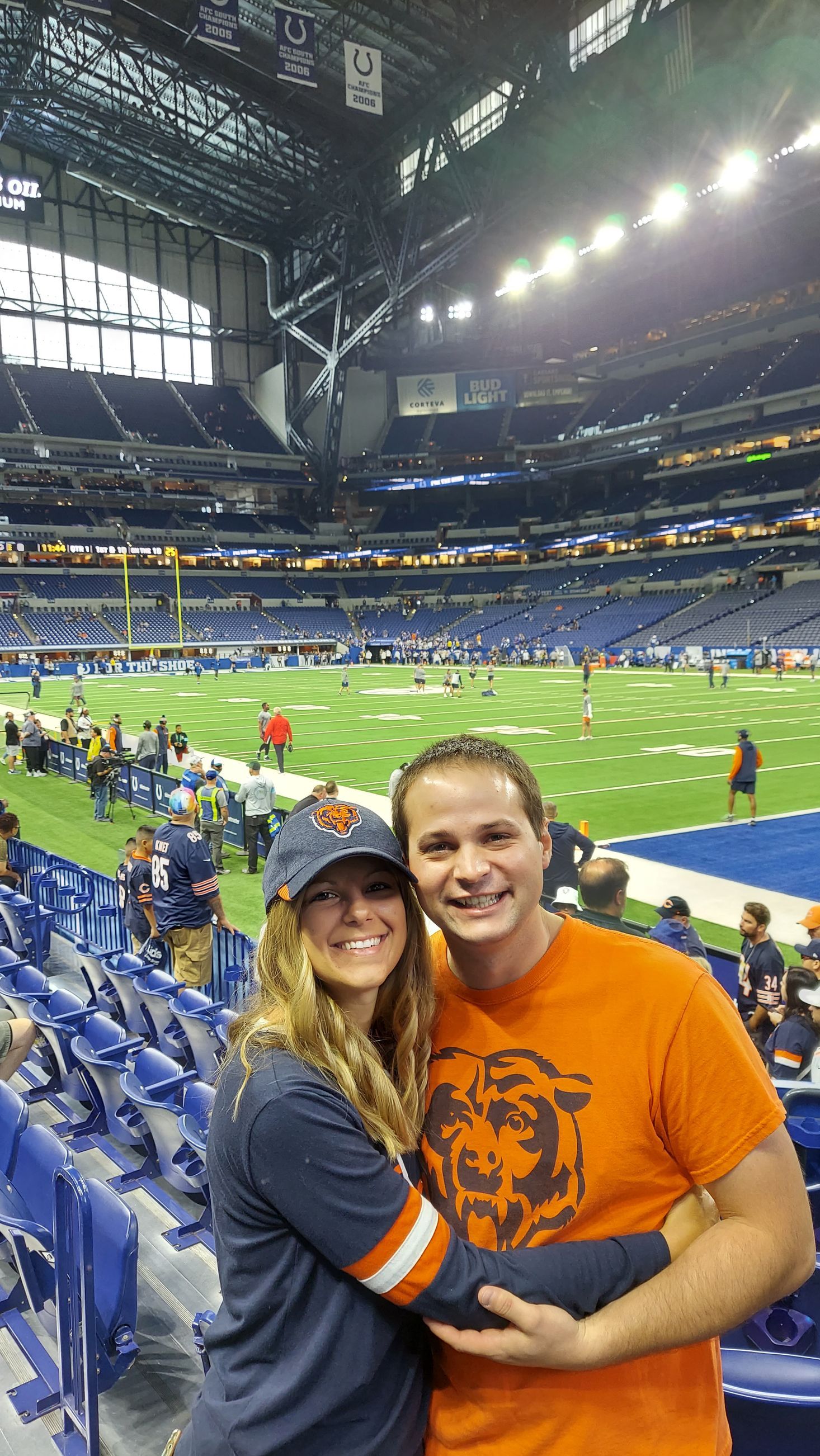
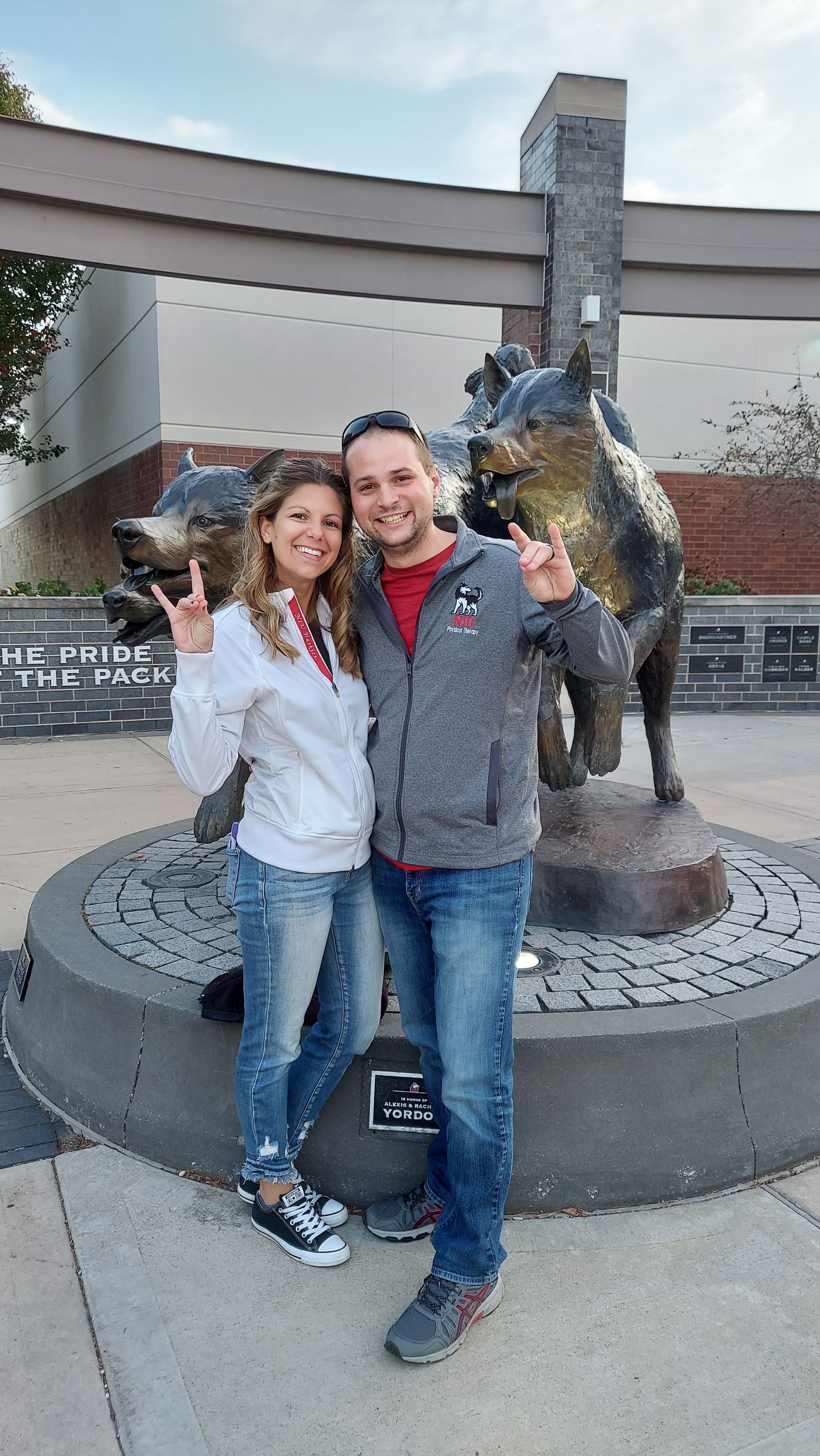
About Dr. Dan
Physical Therapist
Born and raised in St. Charles, Illinois, Dr. Dan initially started with Advanced Physical Medicine as a physical therapy technician in 2014. Since that time, he has earned his Bachelors in Health and Human Sciences from Northern Illinois University prior to attending NIU’s physical therapy program. He earned his Doctorate in Physical Therapy in 2019. He has been a member of the American Physical Therapy Association (APTA) since 2016 and a member of the American Academy of Sports Physical Therapy (AASPT) since 2017.
Connect with Us: