Share this article:
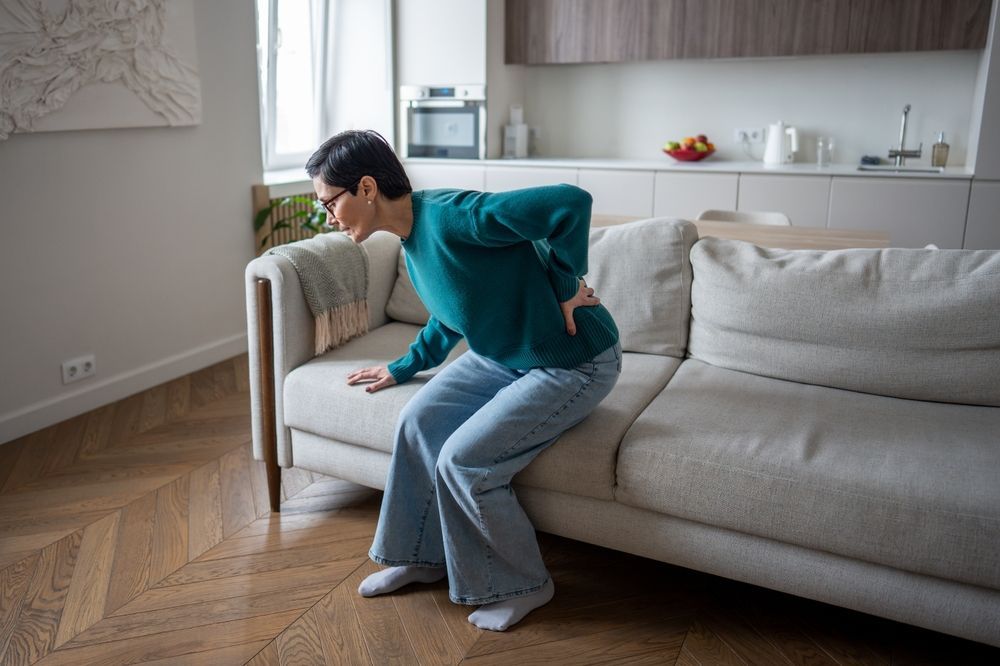
Hip pain that develops during long periods of sitting is a common issue for those who spend extended time at a desk or in a car. Many people experience hip discomfort while sitting that improves after standing, only to return again later. This pattern can point to underlying joint stress, muscle imbalance, or poor posture rather than a temporary strain. Understanding why your hip aches while sitting can help you take the right steps toward lasting relief.
Common Causes of Hip Pain When Sitting
Hip pain when sitting can stem from several underlying issues that place stress on the joint and surrounding tissues. In many cases, the discomfort develops gradually and worsens over time without proper intervention.
Tight hip flexor muscles:
Sitting for long periods keeps the hip flexors in a shortened position. Over time, this leads to stiffness and irritation in the front of the hip.
Gluteal muscle weakness:
Reduced activation of the glute muscles can shift strain to the hip joint, contributing to hip aches while sitting and during movement.
Poor sitting posture:
Slouching or leaning to one side changes how force is distributed through the hips. This can increase pressure on certain areas of the joint.
Joint inflammation:
Repetitive stress or underlying conditions can irritate the hip joint, leading to persistent hip discomfort while sitting.
Nerve irritation:
Compression of nearby nerves, including the sciatic nerve, may cause pain that radiates through the hip and into the leg during prolonged sitting.
Identifying the source of hip pain is key to choosing the right treatment approach and preventing the condition from progressing.
How Prolonged Sitting Affects Hip Joint Health
Extended periods of sitting place the hip joint in a fixed, flexed position. Over time, this limits natural movement and increases strain on surrounding muscles, tendons, and joint structures. Reduced movement can also slow circulation in the area, which may contribute to stiffness and discomfort.
When the hips stay inactive for long stretches, supporting muscles begin to lose flexibility and strength. Tight hip flexors can pull on the pelvis, while less active gluteal muscles provide reduced support to the joint. This imbalance affects alignment and increases pressure within the hip, which can lead to hip pain when sitting for extended periods.
Without regular movement throughout the day, these changes can build and make symptoms more noticeable, especially during long work hours or extended travel.
Why Your Hip Aches While Sitting All Day
If your hip aches while sitting all day, the discomfort usually develops from limited movement and ongoing strain placed on the joint. Sitting may feel like a resting position, but the hip stays in a compressed position for extended periods, which can gradually irritate the surrounding tissues.
Muscle imbalance can also contribute to this pattern. When the hip flexors remain tight and the gluteal muscles are less active, the joint absorbs more stress than it should. Over time, this can lead to hip discomfort while sitting and stiffness when transitioning to standing.
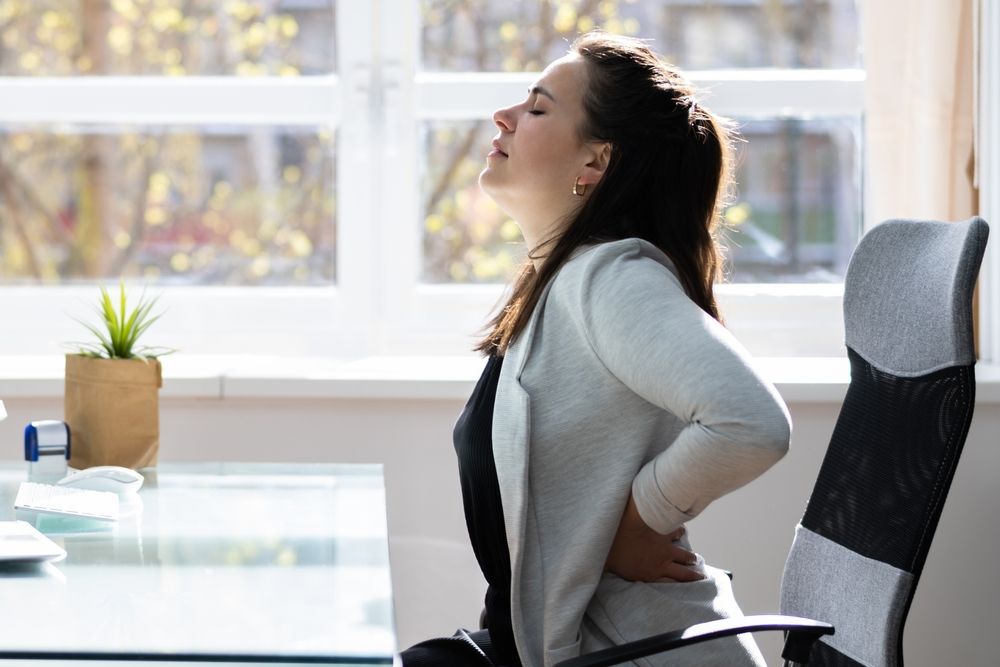
Posture adds another layer to the issue. Sitting with poor alignment or favoring one side can shift pressure unevenly across the hips, which may increase irritation as the day goes on.
Conditions Linked to Hip Discomfort While Sitting
In some cases, hip pain when sitting is tied to an underlying condition rather than posture or muscle tightness alone. These conditions can develop gradually and may become more noticeable during long periods of inactivity.
Hip bursitis:
Inflammation of the fluid-filled sacs that cushion the hip joint can lead to aching or tenderness while seated, especially on one side.
Labral irritation or tears:
The labrum helps stabilize the hip joint. When it becomes irritated or damaged, it can cause deep hip discomfort while sitting, along with clicking or catching sensations.
Hip osteoarthritis:
Degenerative changes within the joint can lead to stiffness and pain during prolonged sitting, particularly after remaining in one position for an extended time.
Sciatic nerve involvement:
Irritation of the sciatic nerve can create pain that begins in the hip and travels down the leg, which may worsen in a seated position.
Tendon irritation:
Overuse or strain of the tendons surrounding the hip can lead to localized discomfort that becomes more noticeable during inactivity.
When to Seek Care for Hip Pain from Sitting
Hip pain when sitting does not always resolve on its own, especially when it continues for weeks or begins to interfere with daily activities. Paying attention to how long symptoms last and how they progress can help determine when professional care is appropriate.
You may benefit from an evaluation if you notice:
- Pain that persists despite rest or simple activity changes
- Increasing stiffness that makes it difficult to stand upright after sitting
- Discomfort that begins to affect walking, exercise, or sleep
- Pain that radiates into the lower back or down the leg
- A clicking, catching, or locking sensation in the hip
Early assessment can help identify the source of hip discomfort while sitting and prevent the issue from becoming more advanced. A thorough evaluation looks at joint mobility, muscle balance, and movement patterns to determine the most effective path forward.
Effective Treatments for Sitting-Related Hip Pain
Treating hip pain when sitting starts with identifying the root cause. Care plans focus on restoring movement, easing irritation, and improving joint support through targeted therapies.
Targeted
exercises help improve flexibility, strengthen supporting muscles, and correct movement patterns that contribute to hip discomfort while sitting. This can reduce strain on the joint during daily activities.
Chiropractic care:
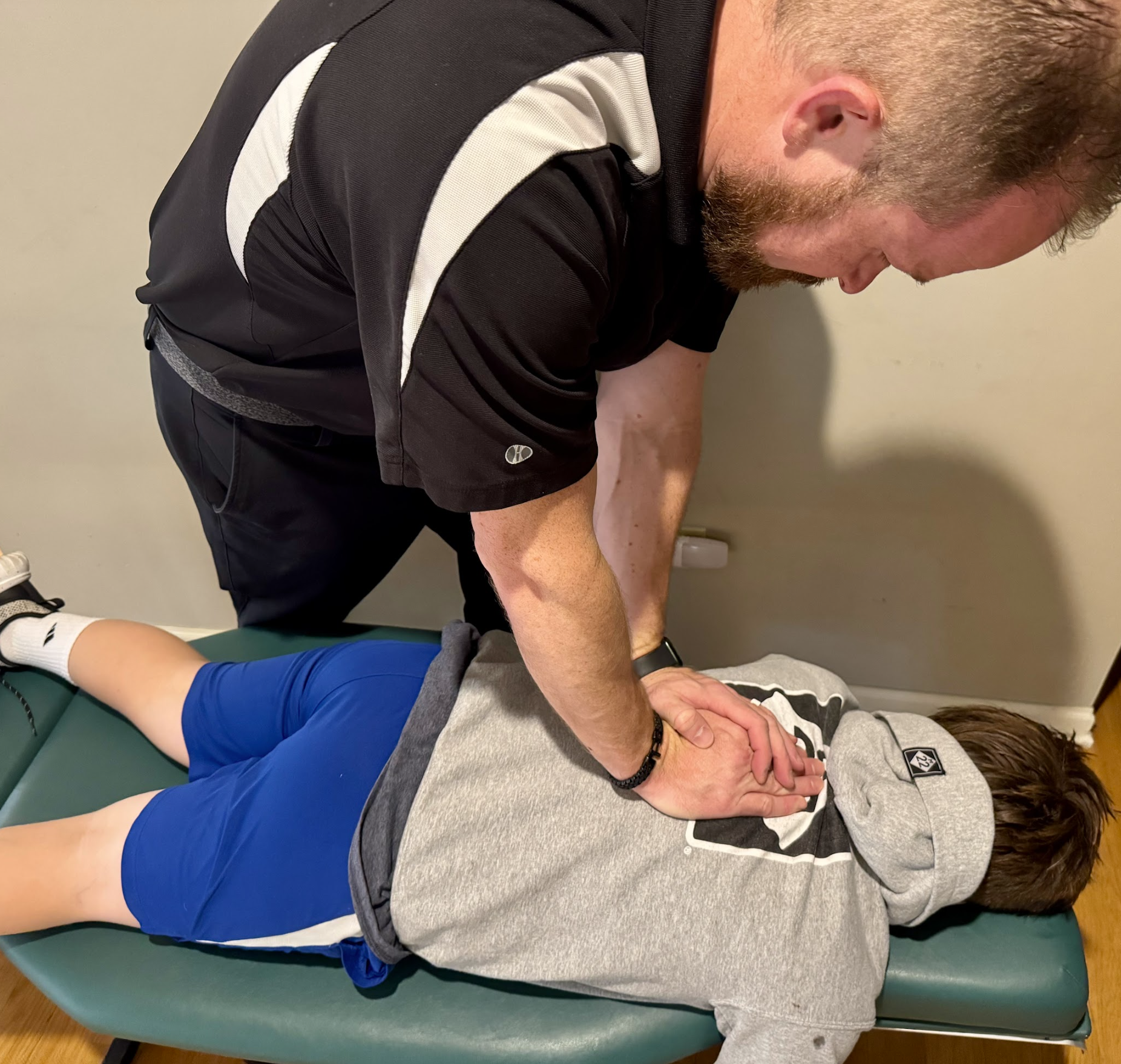
Hands-on techniques can improve joint mobility and alignment, helping to relieve pressure within the hip and surrounding structures.
Soft tissue therapy:
Manual therapy techniques, including
massage and myofascial release, can reduce muscle tension and improve circulation in tight or irritated areas.
Corrective exercise programs:
Structured movement plans focus on restoring balance between tight and underactive muscles, which can reduce recurring hip aches while sitting.
Lifestyle and ergonomic recommendations:
Adjustments to sitting posture, chair support, and daily movement habits can play a significant role in reducing ongoing irritation.
A comprehensive treatment approach can relieve symptoms while improving long-term hip function, allowing patients to sit, stand, and move with greater comfort.
Preventing Hip Pain with Better Posture and Movement
Preventing hip pain when sitting comes down to posture and regular movement. Sitting with proper alignment, keeping both feet grounded, and avoiding uneven weight distribution can help reduce strain on the hips.
Taking short breaks to stand, stretch, or walk throughout the day keeps muscles active and limits stiffness. If hip discomfort while sitting continues despite these changes, a more focused treatment plan may be needed.
If you are dealing with ongoing hip pain when sitting, scheduling an evaluation can help identify the source and start a clear path toward relief. Experience the difference at Advanced Physical Medicine of St. Charles! See for yourself why our patients say Advanced Physical Medicine of St. Charles is the best physical therapy and chiropractic office around.

About Dr. Glenn
Board Certified Chiropractic Physician | Certified in Acupuncture
Born and raised in Oakland, Michigan, Dr. Glenn played competitive soccer for 12 years while being a 3 year varsity player and winning the Division 1 State Championship his senior year of high school. He attended Michigan State University, while earning his Bachelors of Science in human biology. He then attended National University of Health Sciences in Lombard, IL while earning a second Bachelors degree in human biology and his Doctorate in Chiropractic Medicine. He became certified in acupuncture through the post-graduate program at Lincoln College.
Connect with Us: