Share this article:
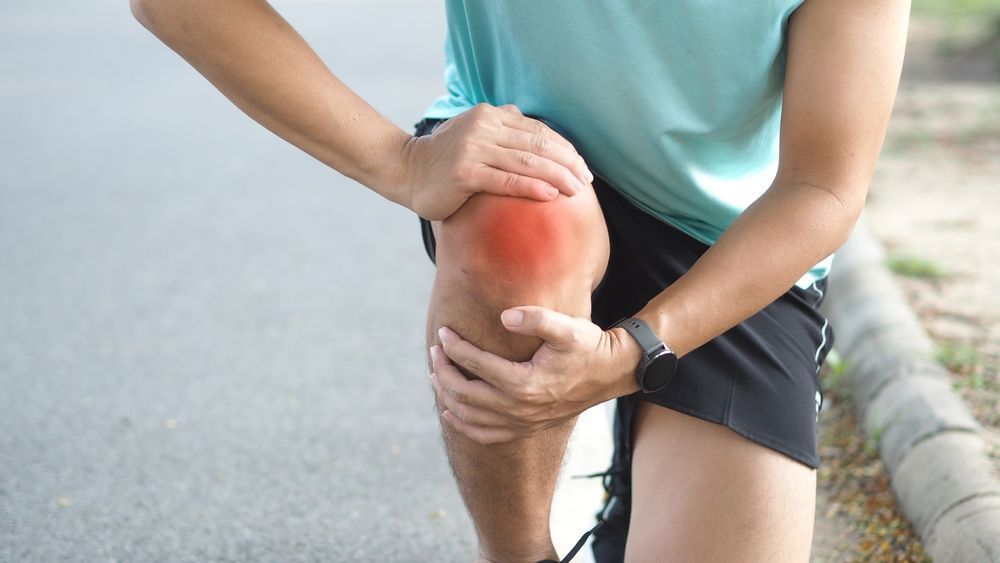
Knee pain can make everyday movement uncomfortable. Simple activities such as walking, climbing stairs, or exercising may become difficult when the knee joint becomes irritated or injured.
Several conditions contribute to knee pain, including ligament injuries, cartilage damage, overuse conditions, and degenerative joint changes. Some develop gradually from repeated stress on the joint, while others occur suddenly during physical activity or accidents. Understanding the source of pain helps determine the most effective path toward recovery.
Osteoarthritis: Degenerative Joint Changes Over Time
Osteoarthritis is one of the most common knee pain causes, particularly among adults over the age of 50. This condition develops when the cartilage that cushions the knee joint gradually wears down. Cartilage normally allows bones to move smoothly against one another. When it begins to deteriorate, friction within the joint increases, and discomfort may follow.
People living with knee osteoarthritis frequently notice stiffness, swelling, or aching pain during movement. Symptoms may feel worse after long periods of activity or after sitting for extended periods. Some individuals also report grinding sensations or reduced flexibility in the joint.
Treatment focuses on reducing joint stress and improving stability around the knee. Strengthening the muscles that support the joint can improve movement patterns and reduce pressure placed on damaged cartilage. Early care may help slow symptom progression and improve overall mobility.
Ligament Injuries: ACL, MCL, and Other Structural Tears
Ligaments provide stability within the knee joint. These strong bands of tissue connect bones and help control movement during activities such as walking, running, and turning. Sudden stress placed on the knee can lead to ligament injuries, which remain a common source of knee pain among athletes and active adults.
The
anterior cruciate ligament (ACL) and medial collateral ligament (MCL) experience frequent injury. Rapid pivoting, abrupt stops, awkward landings, or direct impact to the knee may place excessive strain on these structures. Damage can range from mild stretching of the ligament to a complete tear.
Pain, swelling, and a feeling of instability may appear soon after the injury. Some people describe a sensation that the knee may give way during movement. Proper treatment focuses on restoring stability within the joint and improving strength in the muscles that support the knee.
Meniscus Tears: Cartilage Damage from Twisting or Impact
The meniscus acts as a cushion within the knee joint. This C-shaped piece of cartilage sits between the thigh bone and shin bone and helps distribute weight during movement. Damage to this structure represents another common contributor to knee pain.
Meniscus tears frequently occur during twisting motions that place pressure on a bent knee. Athletes may experience this type of injury during quick direction changes or sudden stops. In older adults, gradual cartilage weakening can allow a tear to develop during simple movements such as squatting or stepping off a curb.
Symptoms vary depending on the severity of the tear. Some individuals notice sharp pain during movement, while others experience swelling, stiffness, or a catching sensation inside the joint. Limited range of motion may develop if the damaged cartilage interferes with normal knee movement. Treatment commonly focuses on reducing irritation within the joint and improving the strength and control of surrounding muscles.
Patellofemoral Pain Syndrome (Runner’s Knee)
Patellofemoral pain syndrome, often called runner’s knee, develops when irritation occurs around the kneecap. The condition appears when the patella does not move smoothly along its normal track within the knee joint.
This issue frequently affects runners, cyclists, and individuals who participate in activities that involve repeated bending of the knee. Muscle imbalances, tight surrounding tissues, or poor movement mechanics may place extra pressure on the front of the knee.
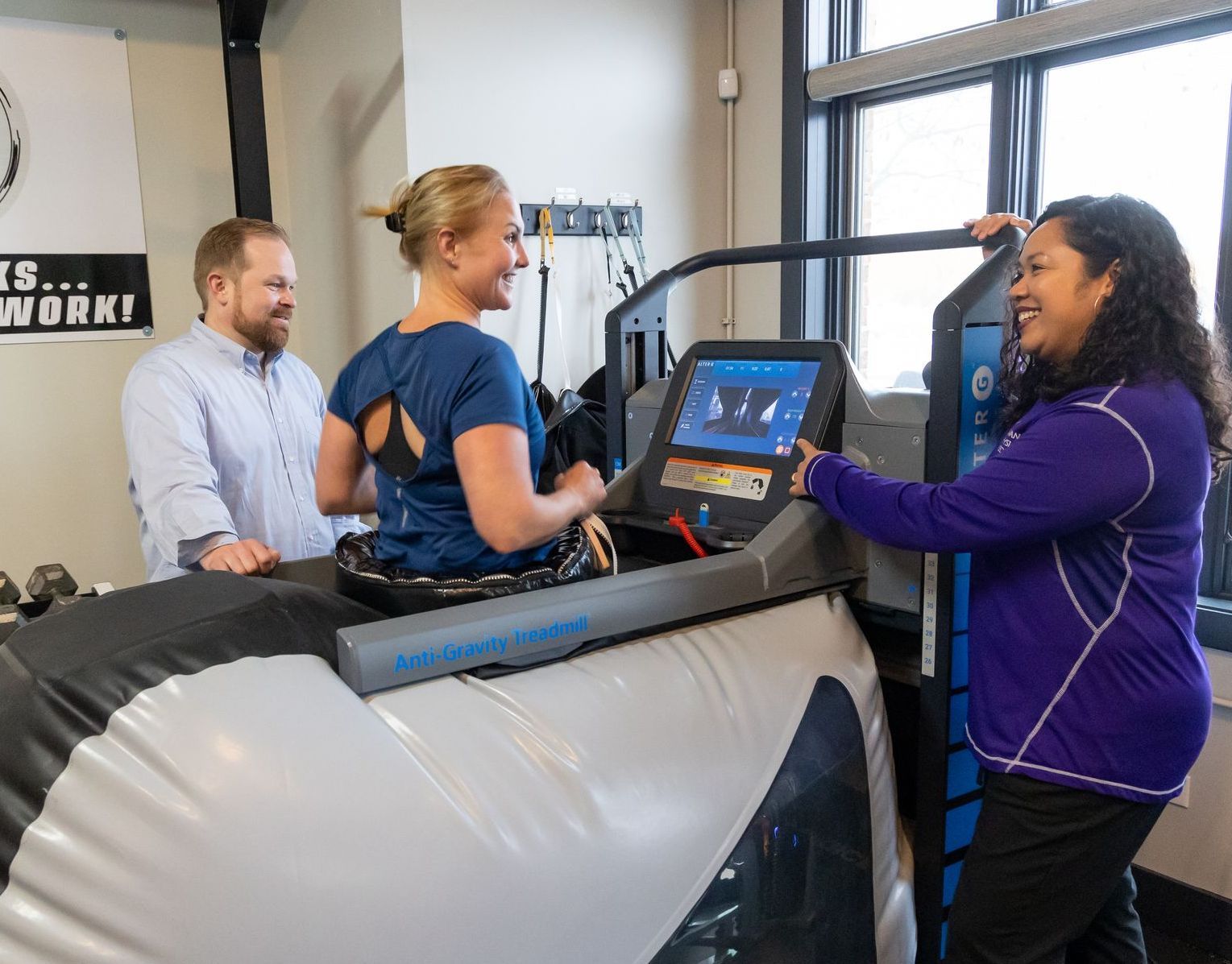
People living with runner’s knee may notice aching pain around or behind the kneecap. Discomfort can increase during activities such as climbing stairs, squatting, or sitting for long periods. Treatment typically focuses on improving lower-body strength, correcting movement patterns, and reducing stress placed on the front of the knee joint.
Tendonitis and Overuse Injuries of the Knee
Repeated stress on the knee can irritate the tendons that connect muscles to the bone. Tendonitis develops when the tissue becomes inflamed after frequent running, jumping, or repetitive bending of the knee. Athletes and individuals whose work involves frequent kneeling or lifting face a higher risk.
Pain typically develops near the front of the knee, particularly around the patellar tendon located just below the kneecap. Some people notice discomfort during an activity that gradually worsens over time. Mild swelling or tenderness around the tendon may also occur.
Treatment usually focuses on reducing irritation within the tendon while improving strength
in surrounding muscles. Strength and flexibility training help relieve strain on the tendon and promote healthier movement during physical activity.
Bursitis: Inflammation from Repetitive Pressure or Trauma
Bursae are small fluid-filled sacs that reduce friction between bones, tendons, and surrounding tissues in the knee. Irritation within one of these sacs can lead to bursitis, a condition that contributes to several causes of knee pain.
Direct pressure on the knee, repeated kneeling, or a sudden blow to the joint may trigger inflammation in the bursa. Occupations that involve frequent kneeling, along with certain athletic activities, increase the likelihood of irritation.
Swelling near the front of the knee is a common sign of bursitis. The area may feel warm, tender, or painful during movement or when pressure is placed on the joint. Treatment generally focuses on reducing inflammation and relieving pressure on the irritated tissue while improving joint movement.
Acute Trauma and Sports-Related Knee Injuries
Sudden injuries during sports or physical activity are a frequent source of knee pain. High-impact movements, collisions, awkward landings, or quick direction changes place significant stress on the joint. Activities such as basketball, soccer, and football commonly involve movements that increase injury risk.
Traumatic knee injuries may affect ligaments, cartilage, tendons, or surrounding soft tissue. Symptoms may include swelling, sharp pain, limited range of motion, and difficulty placing weight on the leg.
Recovery focuses on restoring joint movement and rebuilding strength in the muscles that support the knee. Targeted rehabilitation helps improve stability and prepares the body for a gradual return to regular activity.
Persistent knee pain should never be ignored. The team at Advanced Physical Medicine of St. Charles provides comprehensive care designed to identify the source of discomfort and restore healthy movement. Schedule an evaluation today to begin a personalized treatment plan and return to the activities you enjoy.

About Dr. Dan
Physical Therapist
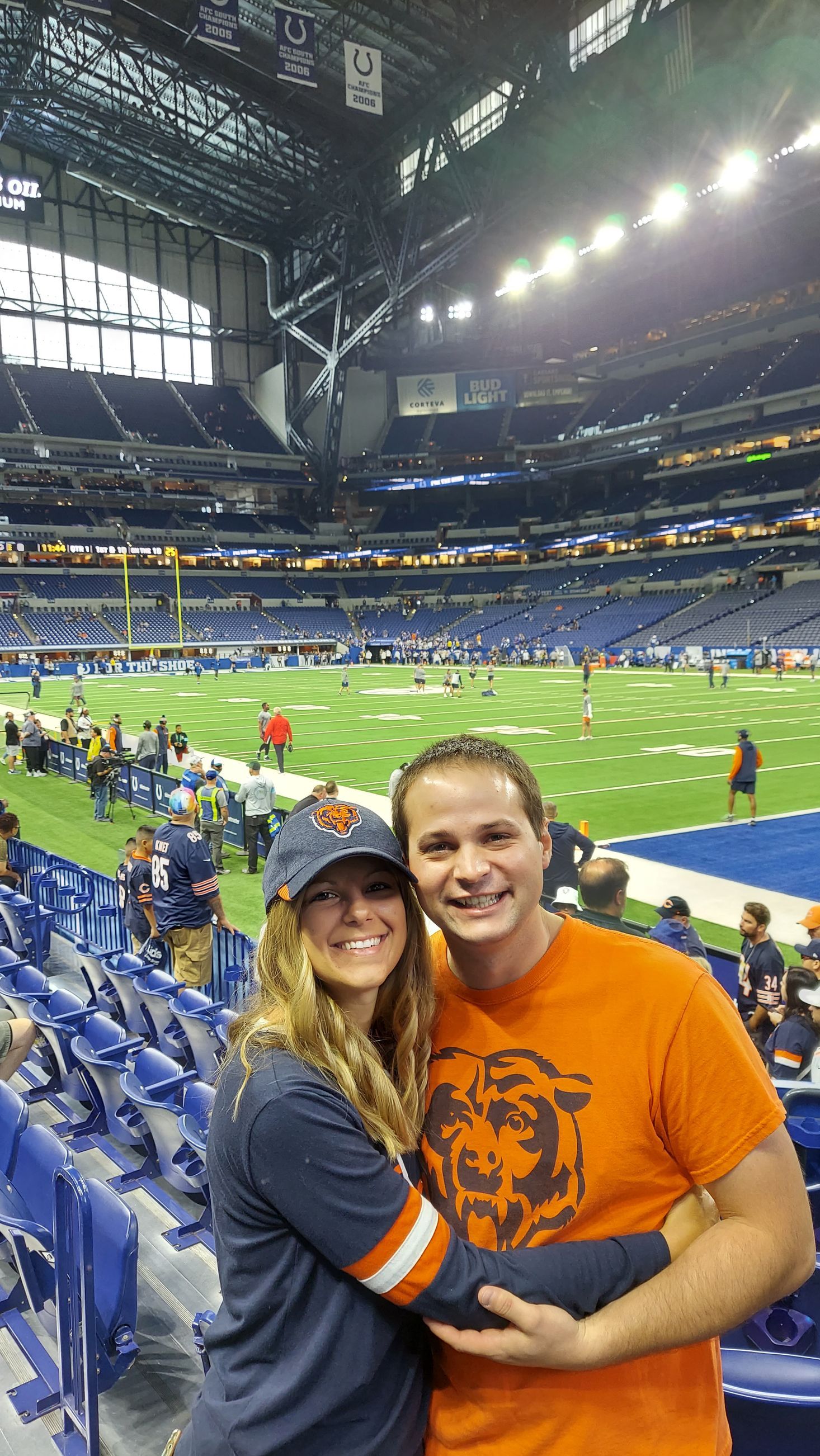
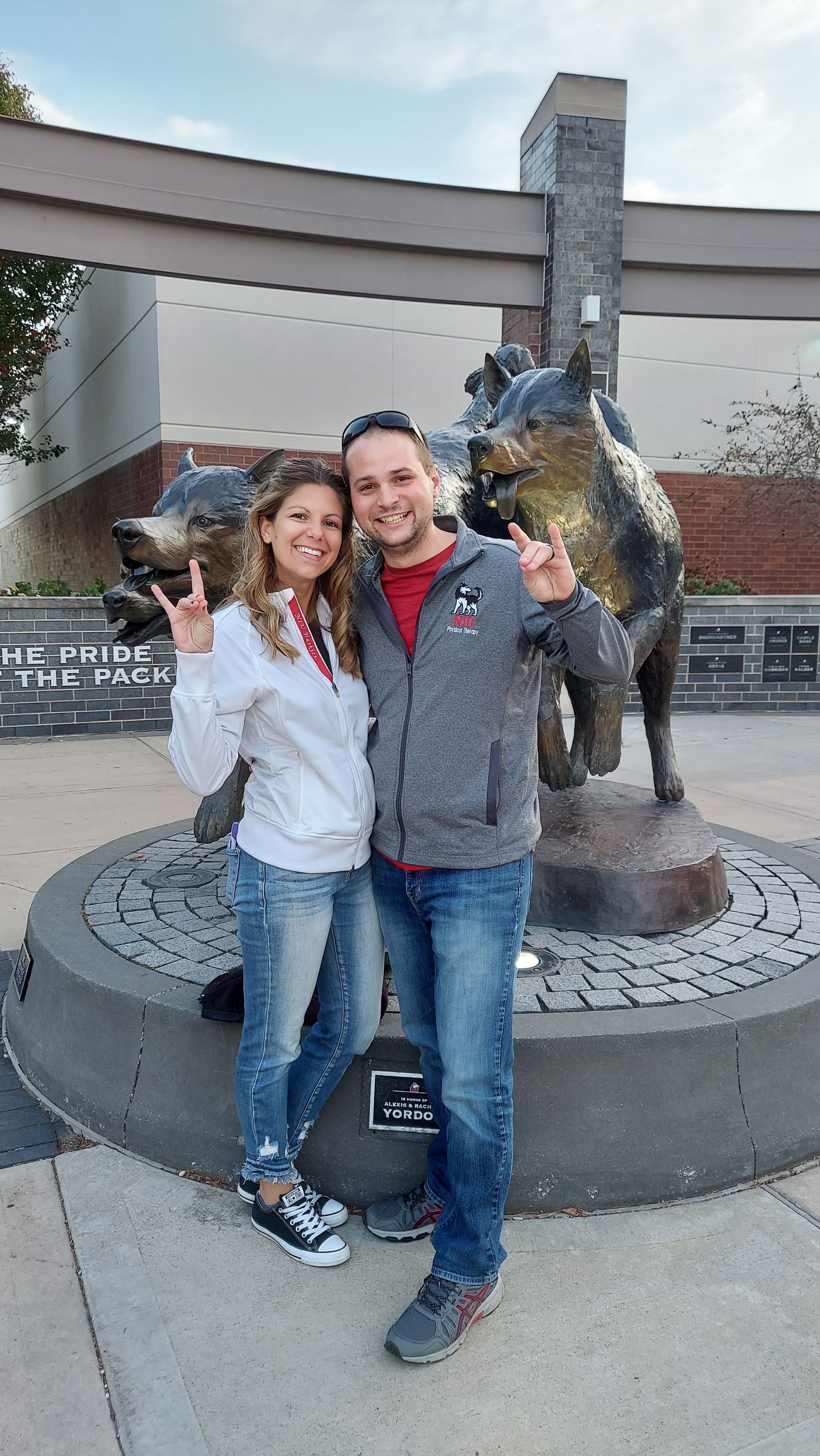
Born and raised in St. Charles, Illinois, Dr. Dan initially started with Advanced Physical Medicine as a physical therapy technician in 2014. Since that time, he has earned his Bachelors in Health and Human Sciences from Northern Illinois University prior to attending NIU’s physical therapy program. He earned his Doctorate in Physical Therapy in 2019. He has been a member of the American Physical Therapy Association (APTA) since 2016 and a member of the American Academy of Sports Physical Therapy (AASPT) since 2017.
Connect with Us: