Share this article:
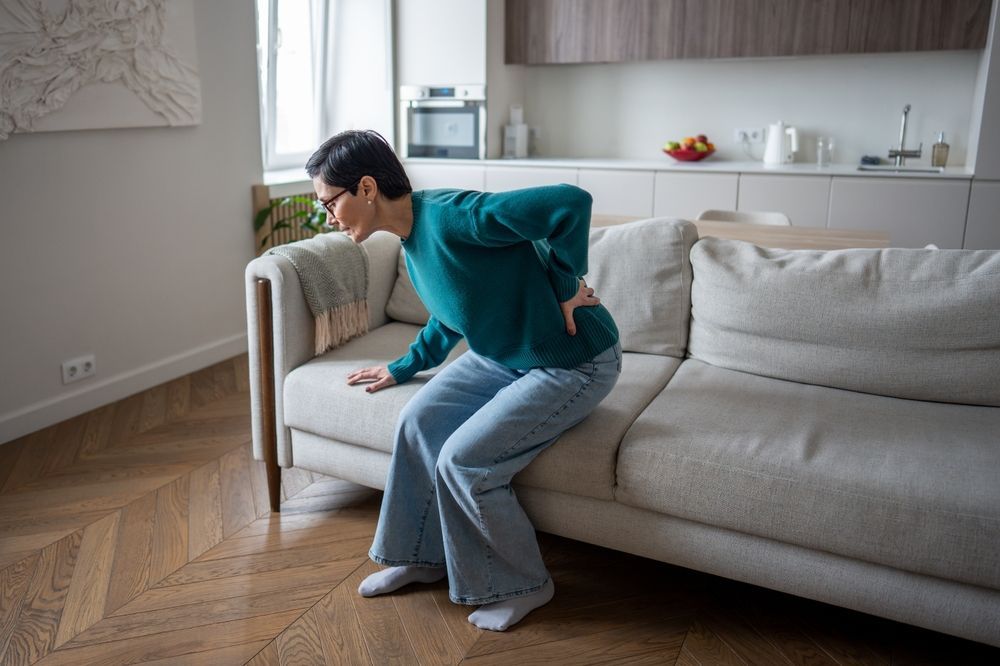
Lower back pain can make everyday activities frustrating, especially when stretching, medication, or other treatments provide little relief. Red light therapy has gained attention for its potential to reduce pain and inflammation, but does it actually deliver results?
Research suggests certain forms of light therapy may offer pain relief, although evidence supporting its effectiveness for lower back pain remains limited. Before investing in an at-home device or scheduling treatments, it's worth understanding what the science reveals, which conditions might respond, and when professional care may be the better option.
Does Red Light Therapy Work for Lower Back Pain?
Red light therapy may provide temporary relief for some people, but research has not consistently demonstrated meaningful improvements in lower back pain. Results vary depending on the source of discomfort, treatment equipment, and frequency of sessions.
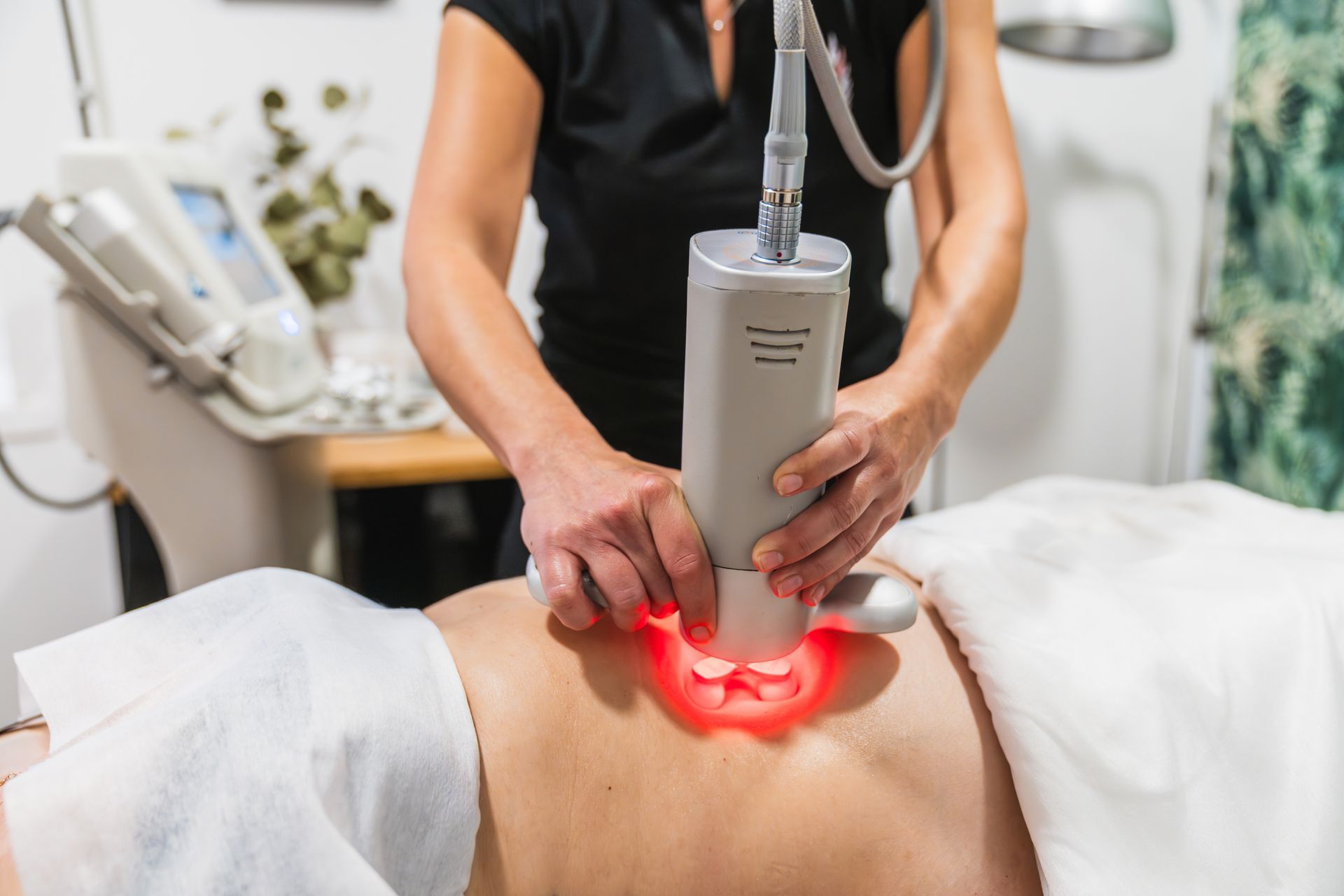
This treatment uses specific wavelengths of red or near-infrared light to stimulate cellular activity. Researchers are studying its potential effects on inflammation, tissue recovery, and pain sensitivity.
However, red light therapy for lower back pain remains an unproven solution for lasting relief. Large clinical reviews have found limited evidence of meaningful improvement compared to placebo treatments.
If back pain keeps returning after sitting, lifting, or exercising, identifying the underlying cause is more useful than relying on temporary symptom relief alone.
How Does Red Light Therapy Affect Pain and Inflammation?
Red light therapy, also called photobiomodulation, uses specific wavelengths of light to influence cellular activity. Researchers believe this process may affect mitochondria, the structures responsible for producing energy inside cells.
Light exposure may influence inflammatory signaling, support tissue recovery processes, and alter pain sensitivity. The extent of these effects depends on wavelength, intensity, treatment duration, and how deeply the light penetrates tissue.
Unlike traditional heat therapy, photobiomodulation targets cellular responses rather than relying primarily on warmth to relieve discomfort.
What Does Research Say About Red Light Therapy for Back Pain?
Scientific studies have produced mixed findings, although larger clinical reviews raise questions about the treatment's effectiveness.
A
2020 systematic review published in the
Journal of Physiotherapy examined 12 randomized trials involving 1,046 participants. Researchers found no clinically meaningful improvement in pain or physical function compared to placebo treatment for nonspecific lower back pain.
While some smaller studies report positive outcomes, current evidence does not establish red light therapy as a dependable treatment for lower back pain. Patients experiencing persistent discomfort may benefit more from a thorough evaluation and an individualized rehabilitation plan.
Which Types of Back Pain Might Benefit From Red Light Therapy?
The source of your
back pain matters when considering red light therapy. Some conditions may respond differently, although research has not established clear benefits for any specific type of lower back pain.
Muscle-related discomfort:
Red light therapy may offer temporary relief from soreness or muscle tension, but clinical evidence remains limited.
Chronic lower back pain:
Research has not consistently demonstrated meaningful improvements in persistent, nonspecific back pain.
Arthritis-related pain:
Photobiomodulation has shown potential benefits for certain joint conditions, but findings cannot be directly applied to spinal arthritis.
Sciatica and herniated discs:
There is insufficient evidence that red light therapy relieves nerve compression or repairs damaged spinal discs.
Persistent pain, especially discomfort traveling into the legs, deserves medical evaluation to identify the underlying cause and appropriate treatment.
When Should You Seek Medical Evaluation for Lower Back Pain?
Occasional back soreness may improve after a few days of gentle movement and activity adjustments. However, pain that persists, repeatedly returns, or interferes with daily activities deserves professional attention.
Schedule a medical evaluation if you experience:
- Pain lasting several weeks: Discomfort that shows little improvement despite self-care.
- Radiating pain: Sharp, burning, or shooting sensations traveling into the buttocks or legs.
- Numbness or tingling: Changes in sensation that may indicate nerve irritation.
- Limited mobility: Difficulty bending, walking, sleeping, or completing routine activities.
Seek emergency care for new bladder or bowel control problems, numbness around the groin, or progressive leg weakness.
How Red Light Therapy Complements Chiropractic Care and PT
Red light therapy may serve a supportive role in back pain management, although research has not established additional benefits when combined with chiropractic care or physical therapy.
Physical therapy focuses on improving strength, flexibility, and movement patterns that contribute to discomfort.
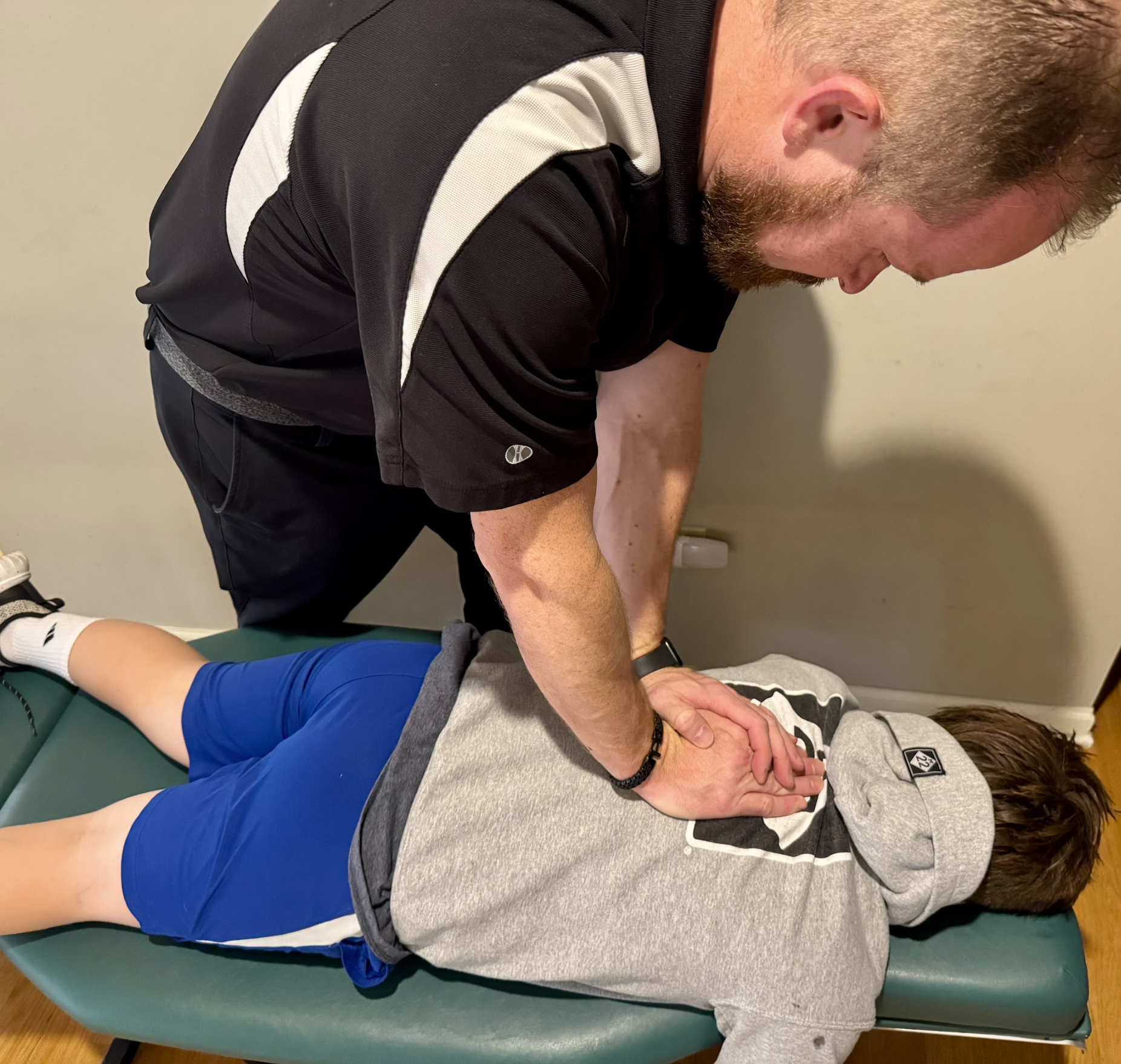
Chiropractic care may help certain patients manage pain and improve mobility through spinal manipulation and other conservative techniques.
For patients interested in red light therapy, the treatment may be considered an additional option rather than a replacement for active rehabilitation. Progress should be measured through improvements in movement, activity tolerance, and daily comfort.
At-Home vs. In-Clinic Red Light Therapy: What to Expect
At-home red light panels and professional equipment can differ significantly in light intensity, wavelength, and treatment settings. These differences affect the amount of light reaching the targeted area.
At-home devices offer convenience but vary in quality and performance. Higher prices don't necessarily indicate better results, and many consumer products lack clinical testing for lower back pain.
In-clinic treatments may offer more controlled light delivery and professional supervision. However, clinical equipment does not automatically produce better outcomes.
Before purchasing a device or scheduling sessions, consider the total cost, recommended treatment frequency, and available evidence for that specific equipment. Follow manufacturer safety instructions, including eye protection recommendations.
Explore Back Pain Treatment Options at Advanced Physical Medicine
Red light therapy may be worth exploring, but lasting back pain relief often requires attention to the factors contributing to your symptoms.
At Advanced Physical Medicine of St. Charles, patients have access to physical therapy, chiropractic care, and other conservative treatment options focused on improving spinal function and reducing discomfort.
Schedule an appointment at Advanced Physical Medicine to discuss treatment options for your lower back pain and take the next step toward more comfortable movement.
Connect with Us: