Growth Plate Injuries in Young Athletes: A Parent's Action Guide
November 6, 2026
Share this article:
Your child takes a hard fall during a soccer game and complains of ankle pain. There's some swelling, but they can still walk. Is it a sprain, or could the injury affect their growing bones?
Growth plate injuries in children can resemble common sports injuries, making them difficult for parents to recognize. Some require prompt medical attention to prevent complications that could affect future bone growth.
Knowing which symptoms to watch for, when to seek medical care, and how to support recovery can help you make informed decisions and protect your child's long-term health.
What Makes Growth Plate Injuries in Children Different?
Children's bones are still developing. Near the ends of many long bones are growth plates, areas of softer cartilage responsible for bone growth. These areas remain open until a child reaches skeletal maturity, typically during the teenage years.
Growth plates are more vulnerable to injury than mature bone. A fall, sudden twist, or repetitive stress can damage this developing tissue. In some cases, an injury that might cause a ligament sprain in an adult can result in a growth plate fracture in a child.
Most growth plate injuries heal successfully following appropriate treatment. However, severe or untreated injuries can occasionally disrupt normal bone growth, potentially causing differences in limb length or bone alignment.
This makes early evaluation important, particularly when pain or swelling occurs near the end of a growing bone.
Common Growth Plate Injuries by Sport and Body Area
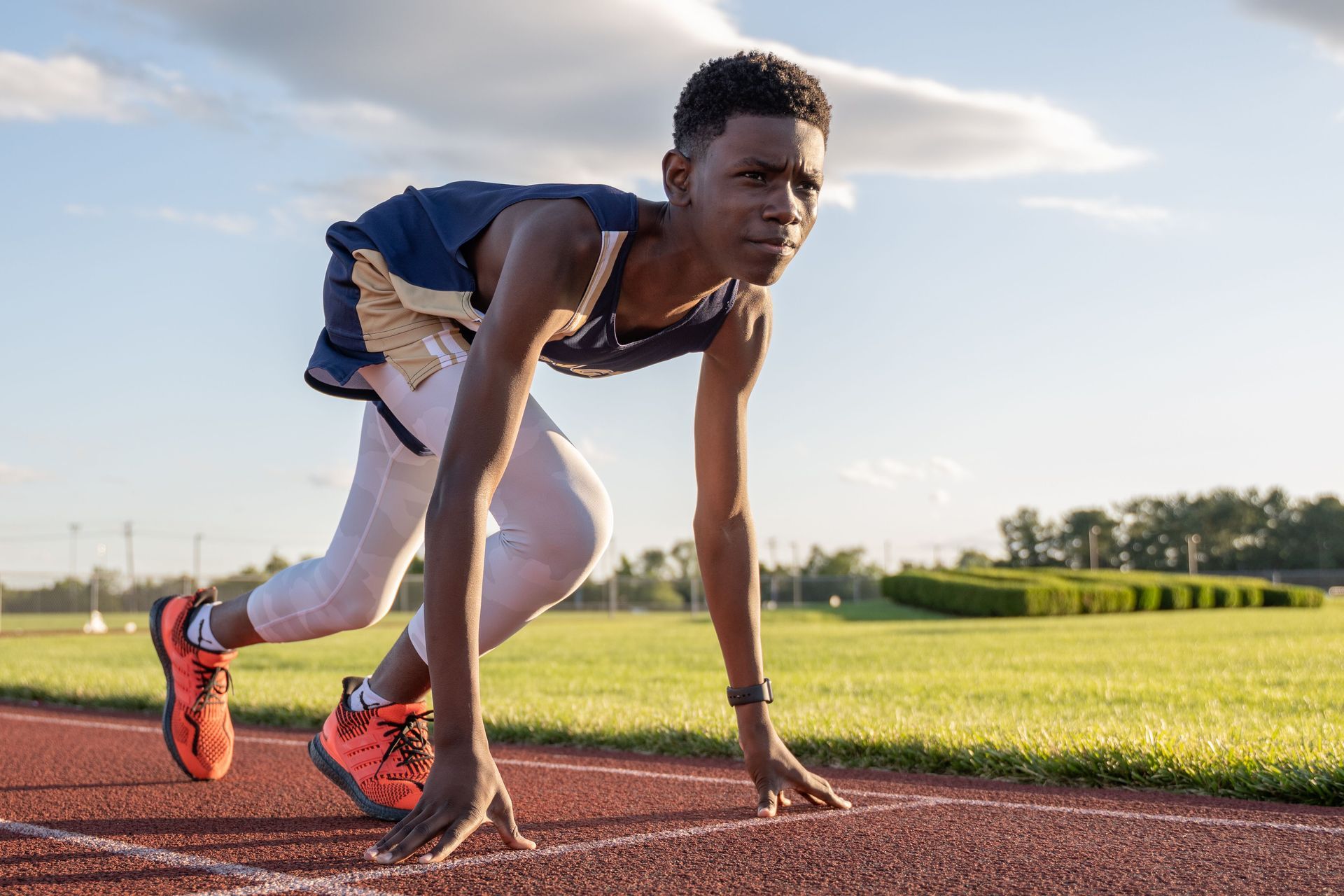
Growth plate injuries can occur during contact sports, repetitive training, or an unexpected fall. The location often depends on the movements involved in a child's sport.
- Baseball and softball: Repeated throwing can irritate the growth plate near the shoulder, causing a condition called Little League shoulder.
- Gymnastics: Frequent weight-bearing through the hands can place excessive stress on wrist growth plates, leading to persistent pain.
- Basketball and soccer: Sudden stops, awkward landings, and collisions can cause growth plate fractures near the ankle or knee.
- Football: Tackles and falls can injure growth plates around the wrist, shoulder, or lower leg.
- Running and jumping sports: Repetitive activity can contribute to growth-related overuse conditions, including heel pain from Sever's disease.
Some injuries happen suddenly, while others develop gradually over several weeks. Pain that repeatedly returns during practice deserves medical attention, even when no specific injury occurred.
How to Recognize the Signs of a Growth Plate Injury
A growth plate injury can look similar to a sprain or bruise, especially during the first few hours. Your child might even finish practice before the pain becomes noticeable.
Common warning signs include:
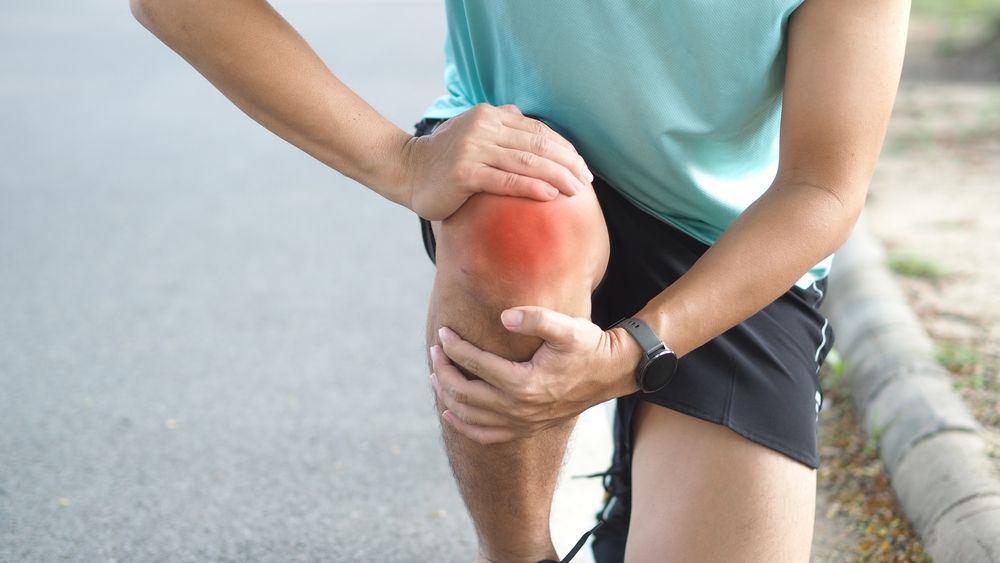
- Pain near a joint: Tenderness around the ankle, wrist, knee, or shoulder, particularly near the end of a bone.
- Swelling or bruising: Visible changes around the injured area following a fall, collision, or sudden twist.
- Difficulty moving: Limited movement, stiffness, or discomfort when bending or straightening a joint.
- Limping or avoiding movement: Reluctance to put weight on a leg, grip objects, or use an injured arm.
- Persistent pain during sports: Discomfort that returns during practice or gradually worsens over time.
A child can sometimes walk or move an injured limb despite having a fracture. An initial X-ray may also appear normal when certain growth plate injuries are present.
If your child has localized bone tenderness, persistent pain, or difficulty using the injured area, seek medical evaluation. Don't rely on their ability to finish a game to determine the severity of an injury.
What to Do in the First 48 Hours After an Injury
The first priority is protecting the injured area and getting appropriate medical attention. If you suspect a growth plate injury, take these steps:
1. Stop sports immediately. Don't let your child return to practice or attempt to walk off the pain.
2. Limit movement. Keep the injured area supported and avoid putting weight or pressure on it.
3. Apply ice. Use a cold pack wrapped in a towel for 15–20 minutes at a time to reduce swelling.
4. Seek prompt medical evaluation. A suspected growth plate fracture needs assessment, even if swelling is minimal.
5. Follow treatment instructions. If a clinician recommends a splint, brace, or activity restrictions, follow those directions until further evaluation.
Seek emergency care immediately for severe deformity, an open wound exposing bone, numbness, or a cold or pale limb.
1. Stop sports immediately.
Don't let your child return to practice or attempt to walk off the pain.
2. Limit movement.
Keep the injured area supported and avoid putting weight or pressure on it.
3. Apply ice.
Use a cold pack wrapped in a towel for 15–20 minutes at a time to reduce swelling.
4. Seek prompt medical evaluation.
A suspected growth plate fracture needs assessment, even if swelling is minimal.
5. Follow treatment instructions.
If a clinician recommends a splint, brace, or activity restrictions, follow those directions until further evaluation.
Seek emergency care immediately for severe deformity, an open wound exposing bone, numbness, or a cold or pale limb.
When to See a Pediatrician, Urgent Care, or Specialist
Choosing the right care depends on your child's symptoms and injury severity.
- Emergency department: Seek immediate care for visible deformity, severe pain, numbness, an open fracture, or an inability to bear weight following a significant injury.
- Urgent care: Visit promptly for swelling, localized bone tenderness, or difficulty moving an injured limb. Choose a facility equipped to evaluate fractures.
- Pediatrician: Contact your child's doctor for persistent discomfort, recurring pain during sports, or concerns about an overuse injury.
- Pediatric orthopedic specialist: A confirmed or suspected growth plate fracture may require specialized treatment and follow-up to monitor healing.
If symptoms continue despite a normal initial X-ray, request further evaluation. Some growth plate fractures aren't immediately visible on imaging.
How Doctors Diagnose and Treat Growth Plate Injuries
Doctors examine the injured area for tenderness, swelling, and limited movement. X-rays can reveal many growth plate fractures, although some injuries require additional imaging, such as an MRI, or follow-up examinations.
Treatment depends on the injury's location and severity. A cast or splint may protect the bone during healing. More serious fractures occasionally require surgery to restore proper alignment.
Most children recover successfully following appropriate treatment. Follow-up appointments help doctors monitor healing and identify potential growth complications.
How to Return to Sports Safely and Prevent Reinjury
Feeling better doesn't always mean a young athlete is ready to compete. Returning too soon can aggravate healing tissue and increase the risk of another injury.
Before resuming sports, your child should receive medical clearance and regain appropriate strength, flexibility, and joint movement. Sports physical therapy can help restore movement patterns and prepare injured areas for running, jumping, or throwing.
To reduce future injury risks, encourage adequate rest between practices, gradual increases in training intensity, and early attention to recurring pain.
Get Sports Rehab at Advanced Physical Medicine in St. Charles
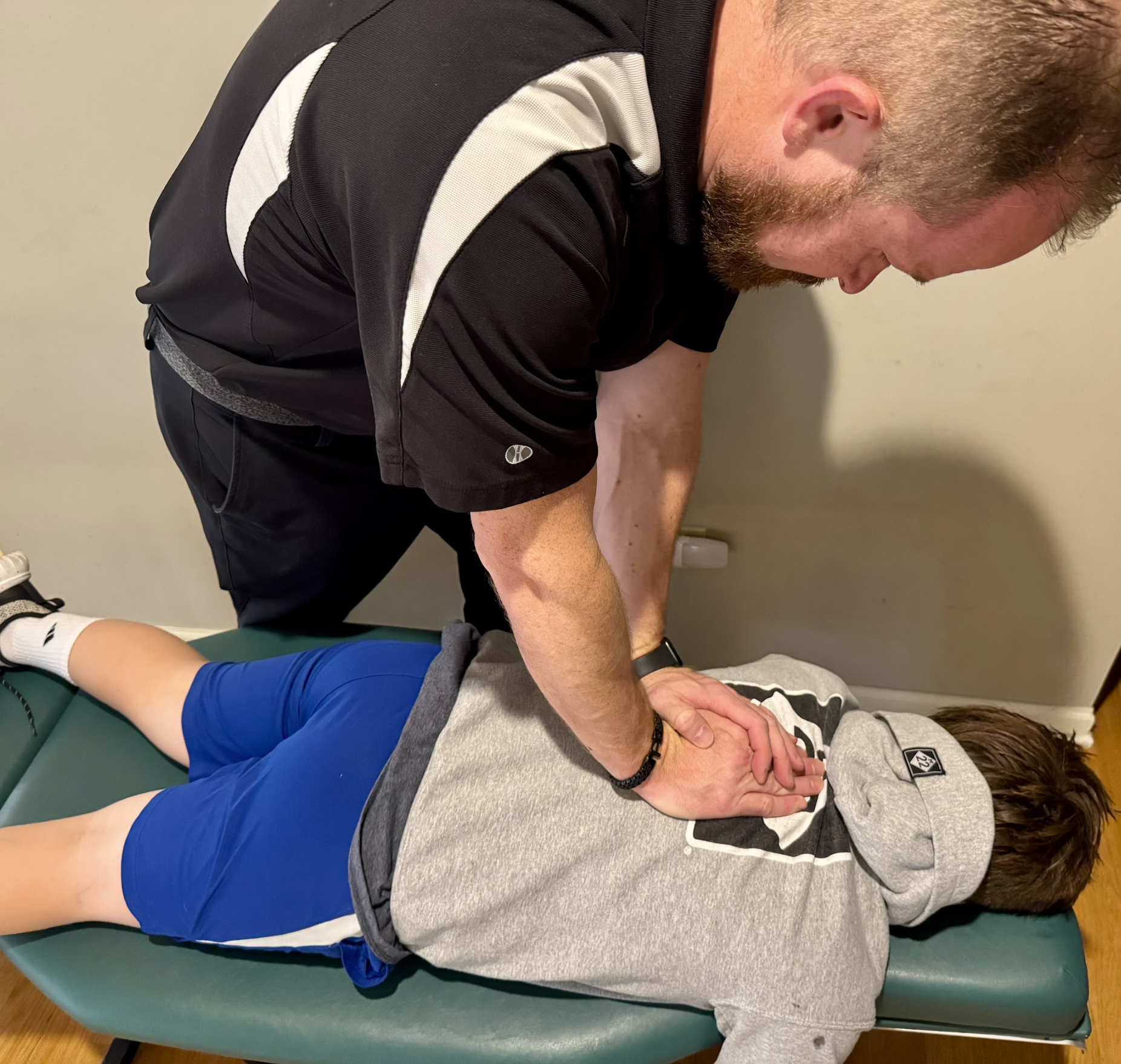
Recovering from a growth plate injury takes patience and the right support. At Advanced Physical Medicine of St. Charles, our team provides individualized sports physical therapy to help young athletes rebuild strength, improve mobility, and safely return to their favorite activities following medical clearance.
Serving St. Charles and surrounding Fox Valley communities for over 20 years, our facility offers attentive, coordinated rehabilitation care.
Contact Advanced Physical Medicine of St. Charles today to learn how our sports rehabilitation services can support your child's recovery.
Connect with Us: